Introduction
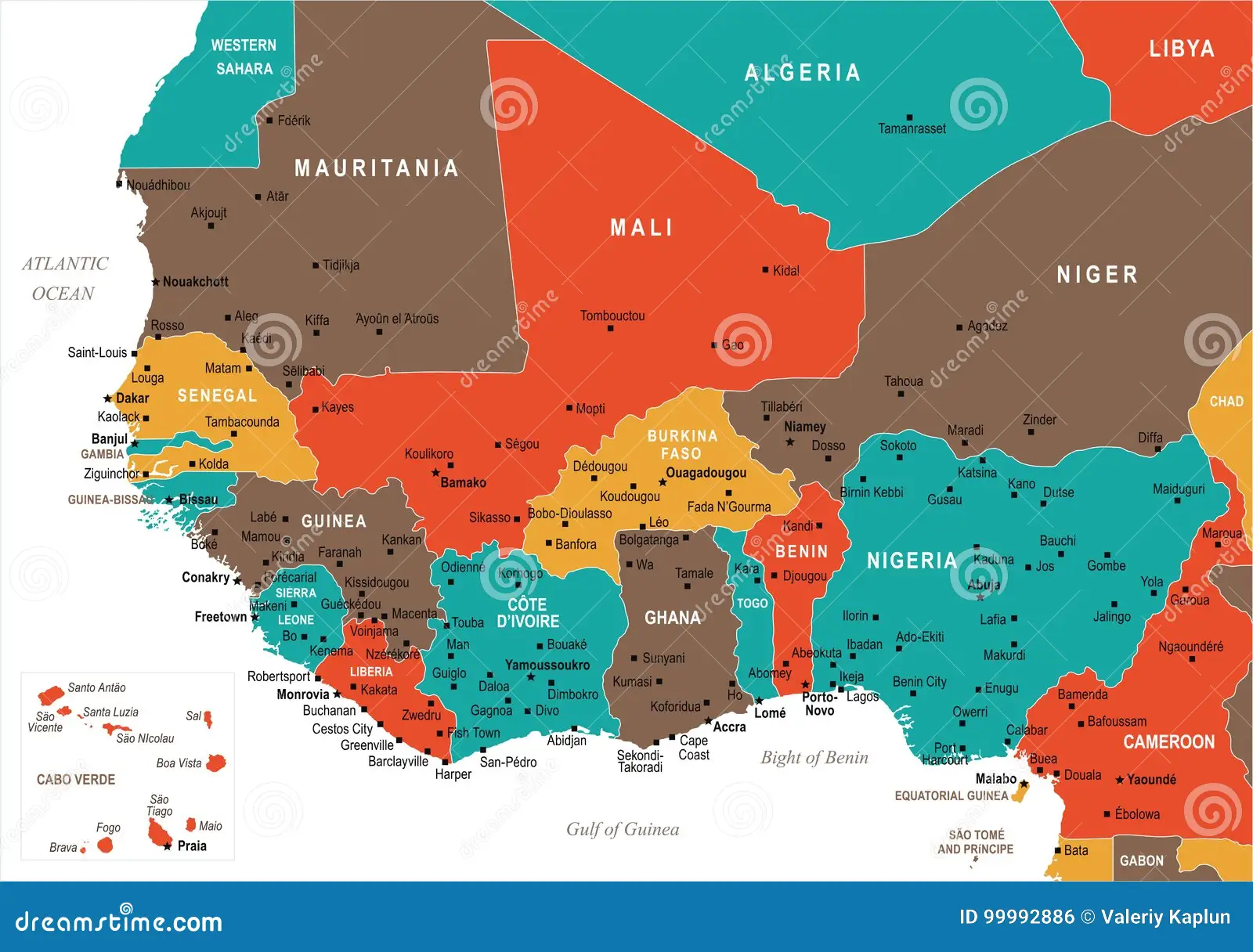
West African countries, comprising 16 nations, play a pivotal role in the continent’s cultural, economic, and political landscape. This region, known for its rich history and diverse cultures, has faced unique challenges and opportunities that are relevant in today’s global context.
Overview of West African Nations
The countries that make up West Africa include Nigeria, Ghana, Senegal, Ivory Coast, Burkina Faso, Guinea, Benin, Mali, Niger, Togo, Sierra Leone, Liberia, Cape Verde, and the Gambia. Each of these nations contributes to the region’s cultural tapestry, characterized by various languages, traditions, and religions. Nigeria, being the most populous country in Africa, significantly influences the region’s economy and politics.
Current Events and Developments
Recently, West African nations have been navigating various challenges, including economic fluctuations, political instability, and the impact of climate change. For instance, Ghana is currently facing economic difficulties, prompting discussions about international financial assistance and domestic reforms. On the political front, countries like Mali and Burkina Faso have experienced coups, raising concerns about governance and security within the region.
Moreover, the ongoing fight against terrorism, particularly in the Sahel region, poses a significant threat to stability. The Economic Community of West African States (ECOWAS) has been actively involved in mediating conflicts and promoting peacekeeping operations to address these security challenges.
Economic Significance
West Africa’s economy is diverse, ranging from agriculture to mining and oil production. Nigeria’s oil reserves make it the largest producer in the region, while countries like Ghana and Ivory Coast are known for their cocoa and gold exports. The introduction of the African Continental Free Trade Area (AfCFTA) aims to bolster intra-African trade and reduce dependency on foreign markets, which could significantly benefit West African nations.
Conclusion
The significance of West African countries extends beyond their geographical boundaries, influencing global trade, culture, and politics. As they work to overcome challenges and seize opportunities, understanding their dynamics is crucial for recognizing their role in the regional and global context. Moving forward, collaboration among these nations will be essential to build a sustainable and prosperous future for West Africa.