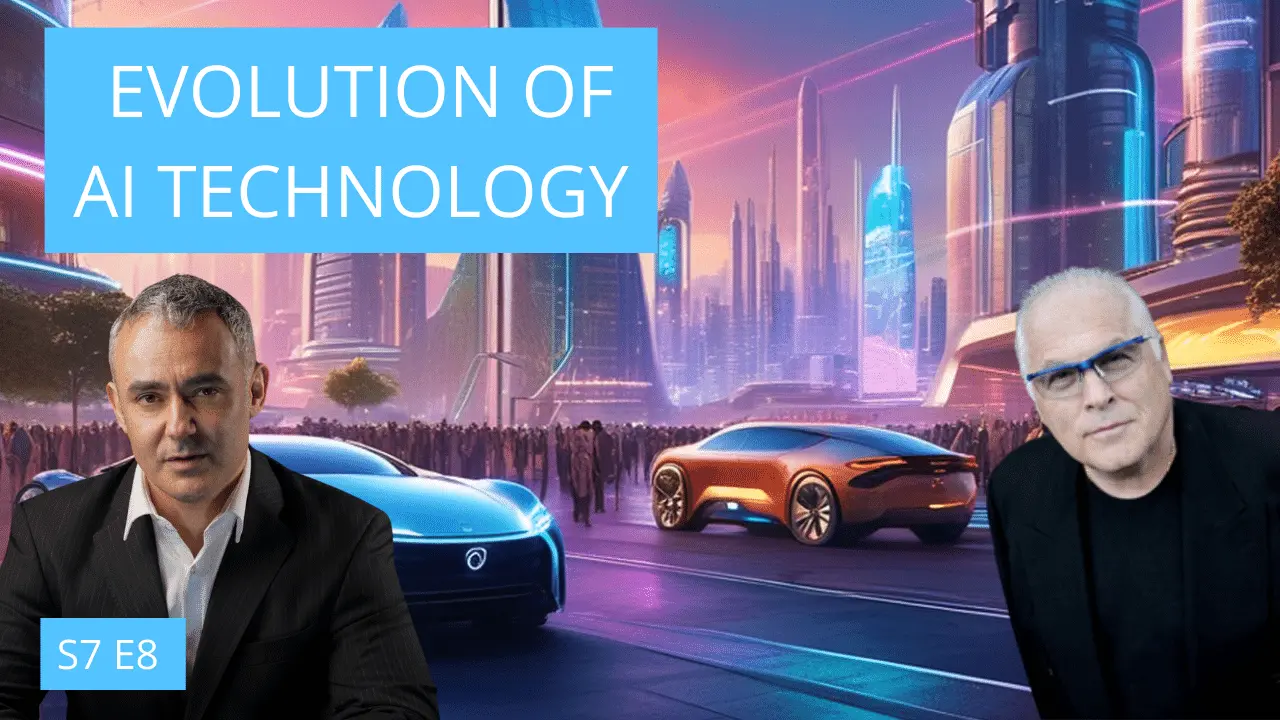
The Importance of Anticipating the Future
As society continues to evolve at a rapid pace, understanding the future has never been more essential. The future encompasses not only advancements in technology but also shifts in social, economic, and environmental paradigms. Businesses, governments, and individuals alike are increasingly investing in foresight to navigate uncertainty and capitalize on emerging opportunities.
Technological Innovations Shaping Tomorrow
The field of technology is a significant contributor to shaping the future. Artificial intelligence (AI), quantum computing, and renewable energy sources are among the key areas garnering attention. According to a report by McKinsey & Company, AI alone is expected to add up to $13 trillion to the global economy by 2030. This represents a fundamental shift in how industries operate, increasing efficiency, and creating new jobs that require distinct skills.
Moreover, the proliferation of smart devices and the Internet of Things (IoT) is transforming our daily lives, enabling enhanced connectivity and data analysis that can predict trends and behaviors. Such technologies are essential for businesses as they develop products that meet the demands of an increasingly interconnected world.
Shifts in Social Dynamics
On a social front, demographic changes are influencing societal norms and expectations. With the rise of millennials and Generation Z, values around sustainability, equity, and work-life balance are becoming more pronounced. A Pew Research Center study indicates that 70% of young adults believe that climate change is a pressing issue, underscoring the growing demand for sustainable practices in both corporate and governmental policies.
Economic Forecasts and Global Changes
The global economy is also expected to undergo significant changes. The International Monetary Fund (IMF) predicts that digital currencies may revolutionize the financial landscape, promoting a more inclusive system. Furthermore, the COVID-19 pandemic has accelerated shifts towards remote work and the gig economy, indicating a lasting transformation in job arrangements.
Conclusion: Preparing for what lies ahead
Understanding the future involves recognizing trends and preparing to adapt. As advancements continue to occur at breakneck speed, the ability to anticipate and respond to changes will determine success for businesses and individuals. It is crucial to leverage technological innovations, recognize shifting social dynamics, and plan for economic changes to ensure a sustainable future. While uncertainty looms, being proactive can help navigate the complexities that lie ahead.