Introduction to the IMF
The International Monetary Fund (IMF) is an organization of 190 countries dedicated to promoting global economic stability and growth. Established in 1944, its mission focuses on ensuring the stability of the international monetary system—the system of exchange rates and international payments that enables countries to transact with each other. Understanding the role of the IMF is essential, especially as the world navigates through ongoing economic challenges, including the impacts of the COVID-19 pandemic and rising inflation.
Current Economic Climate and IMF Responses
Recently, the IMF has been at the forefront of addressing both global economic recovery and inflationary pressures that many countries are facing. In its latest World Economic Outlook report published in October 2023, the IMF projected a growth rate of 3.2% for the global economy in 2024, slightly down from previous estimates due to geopolitical tensions and persistent inflation.
The organization has emphasized the need for coordinated policy responses to sustain economic recovery. For instance, emerging markets and developing nations are being urged to adopt fiscal policies that foster growth while addressing inflationary spirals. The IMF also provides financial assistance to member countries in distress; this year, it approved $5 billion in funding for several nations struggling with high debt levels and currency volatility.
IMF’s Role in Global Cooperation
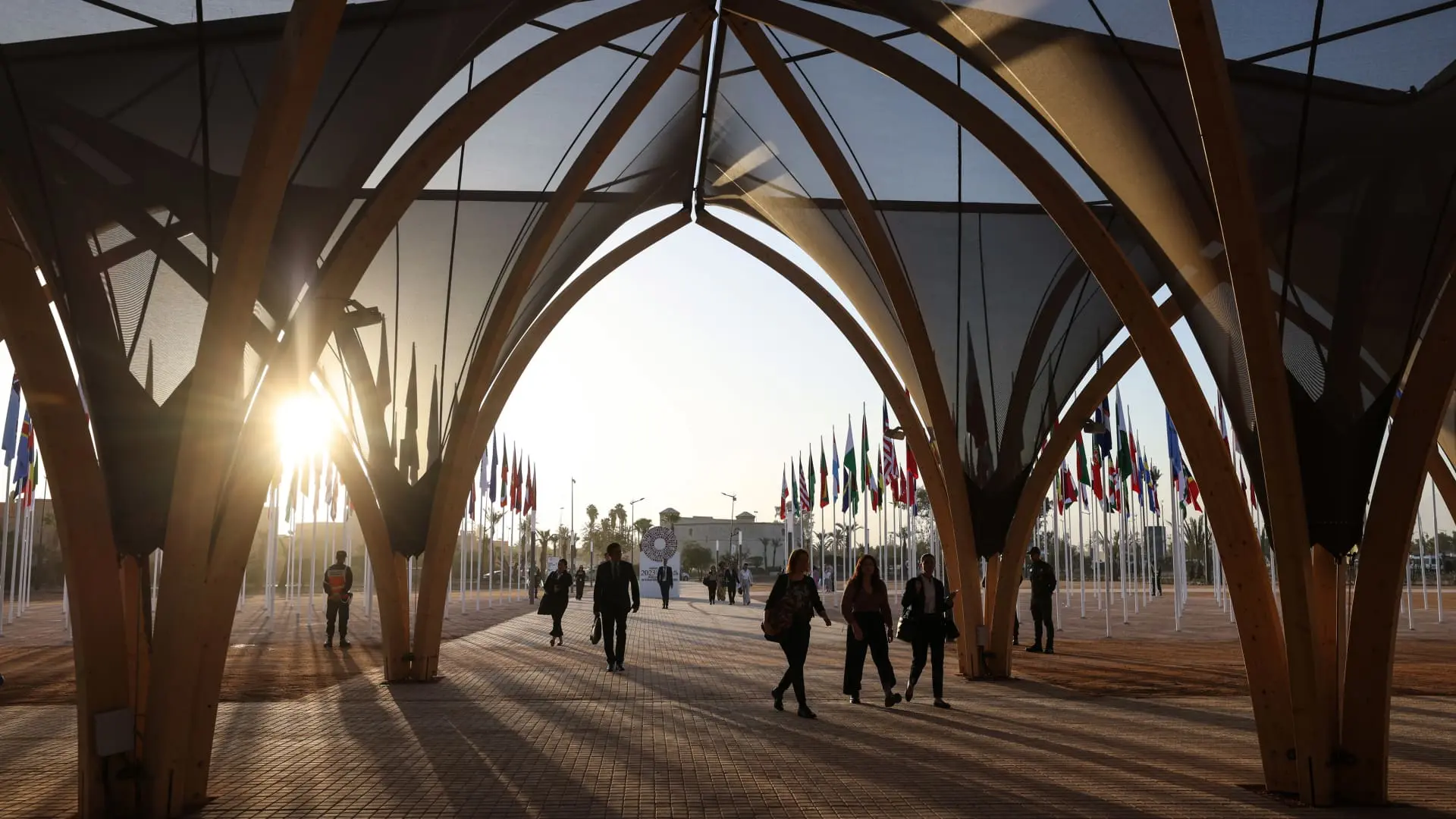
The IMF serves as a platform for international cooperation, providing a forum for member countries to discuss economic issues, share insights, and propose joint solutions. Recent meetings have highlighted the significance of multilateralism in tackling challenges like climate change, which the IMF recognizes as crucial for long-term stability.
Furthermore, the IMF has been increasingly focusing on digital currencies and their potential impact on the global economy. It is working on guidelines that could help regulators navigate the complexities introduced by cryptocurrencies, aiming to ensure financial stability and safeguard against risks associated with digital innovations.
Conclusion: The Future of IMF and Global Economy
The IMF remains a central figure in fostering economic stability and growth worldwide. As countries grapple with evolving challenges, the organization’s role will only expand in importance. The future of the IMF will likely involve adapting to emerging trends in the global economy, such as digital transformation and the shift towards sustainable finance. For readers, understanding the IMF’s initiatives can provide valuable insights into how global economic stability affects individual nations and economies, underlining the interconnectedness of our financial futures.