Introduction
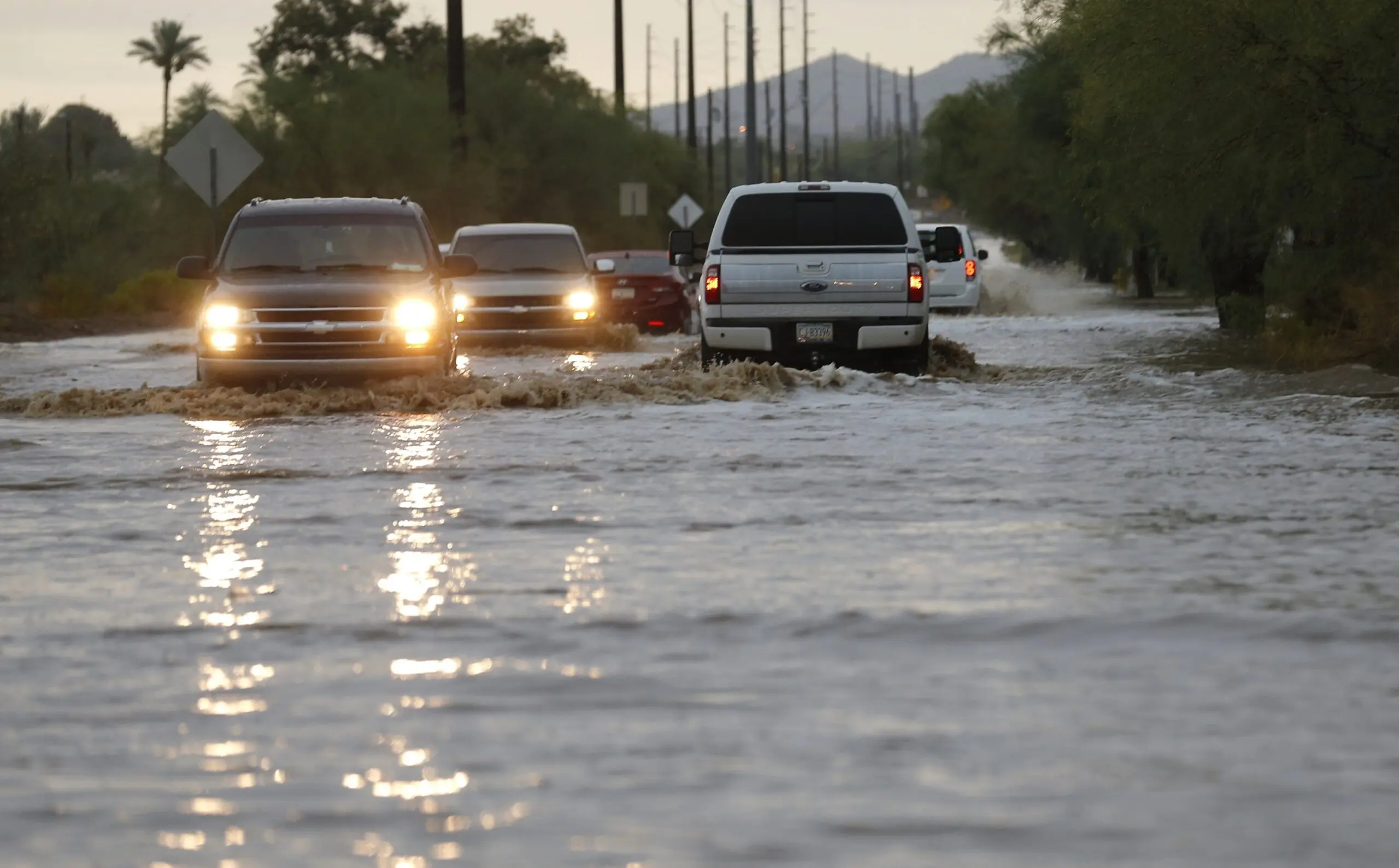
Flooding is a natural disaster that can have devastating effects on communities, environments, and economies. Understanding the causes and implications of floods is essential for effective disaster management and mitigation strategies. With climate change intensifying weather patterns, the frequency and severity of floods have been on the rise, making this a pressing topic for policymakers and the public alike.
Current Flooding Events
As reported by the National Oceanic and Atmospheric Administration (NOAA), recent weeks have seen record-breaking flooding across various regions of the United States. In particular, areas such as the Midwest have experienced increasingly frequent heavy rainfall, leading to swollen rivers and overflowing waterways. For instance, the Mississippi River reached critical levels last month, impacting thousands of residents and prompting emergency responses. Local officials have reported significant damage to infrastructure, homes, and agricultural lands.
Causes of Flooding
Flooding can occur due to multiple factors, including heavy rainfall, snowmelt, and tropical storms. Other contributing factors can include urban development that increases impermeable surfaces, leading to water runoff. According to the Federal Emergency Management Agency (FEMA), flooding is the most common and widespread natural disaster in the U.S., accounting for over 90% of all declared disasters. Additionally, rising sea levels due to climate change are elevating the risk of coastal flooding.
The Effects of Flooding
The consequences of floods can be severe. Floodwaters can lead to loss of life and cause significant damage to infrastructure such as roads, bridges, and utilities. Public health can also be jeopardized by contaminated water supply and increased risks of waterborne diseases. The economic impact is often substantial, with recovery costs running into billions of dollars, particularly in areas that are frequent flood victims.
Preventative Measures
Addressing flooding requires a comprehensive approach involving both immediate response tactics and long-term planning. Communities are increasingly investing in flood defenses such as levees, floodwalls, and retention basins. Improved forecasting technology helps authorities warn residents about potential flooding, allowing for timely evacuations. Additionally, education and awareness campaigns aim to help individuals and families prepare their homes and businesses for flood events.
Conclusion
Floods remain a significant challenge, exacerbated by changing climate conditions and human activities. As these events become more common, there is an urgent need for robust disaster response and mitigation planning at all levels. By understanding the causes and potential impacts of flooding, communities can work towards better preparedness and resilience, ultimately minimizing losses and safeguarding lives.