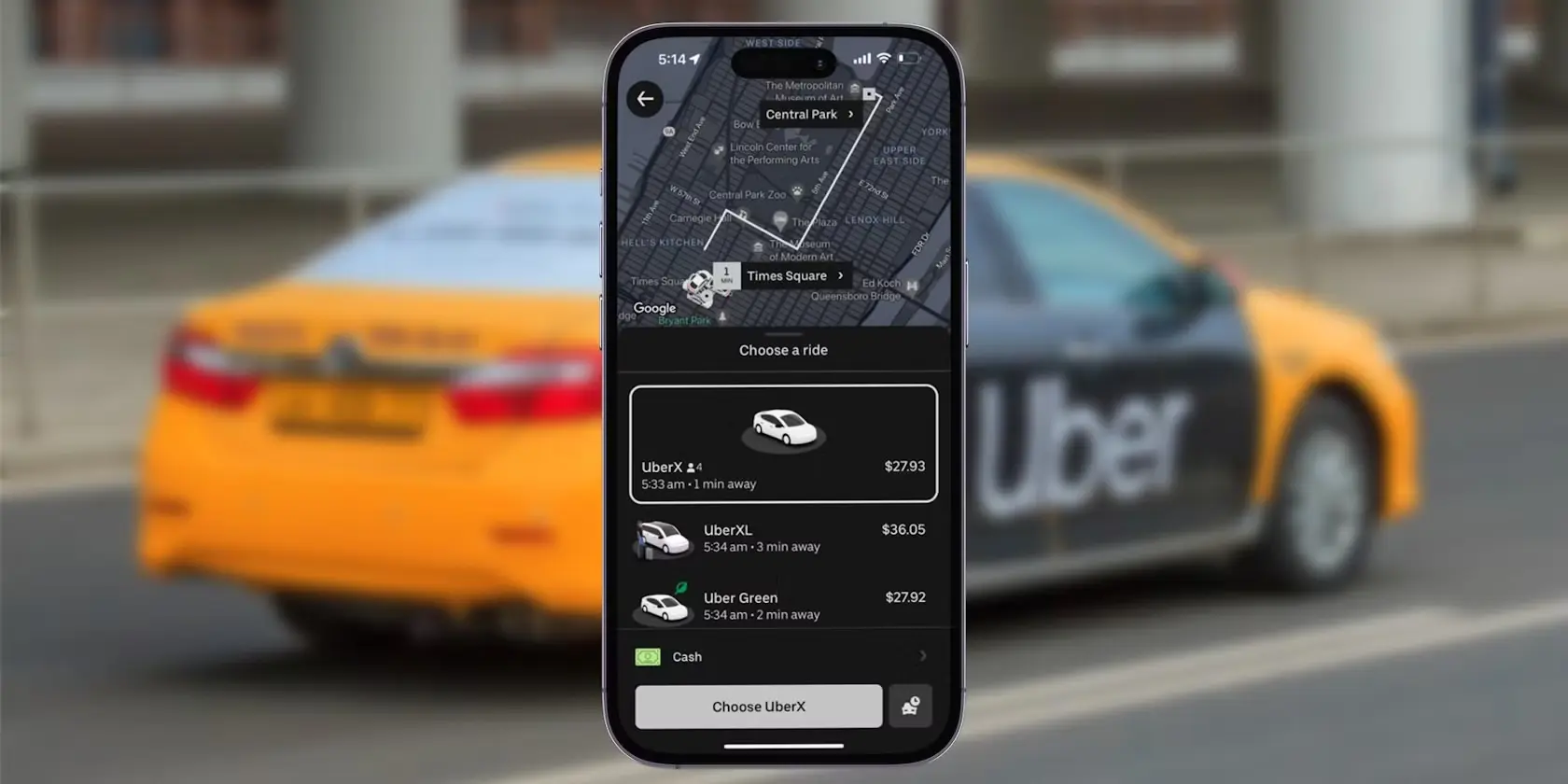
Introduction
The introduction of Uber rides has revolutionized the transportation landscape across the globe. Launched in 2009, Uber has become synonymous with ride-hailing services, catering to millions of users daily. The convenience, accessibility, and cost-effectiveness of Uber rides have not only changed the way people commute but have also sparked discussions about regulatory challenges and market competition. As urban areas continue to grow, the relevance of such services in easing transportation woes cannot be overstated.
The Growth of Uber Rides
From its inception, Uber has rapidly expanded its reach. As of 2023, the company operates in over 900 metropolitan areas worldwide, providing a platform for not only passenger transport but also food delivery and goods shipment. Amid the ongoing COVID-19 pandemic challenges, Uber has adapted its services by implementing strict health protocols and incentivizing drivers, allowing the company to regain lost ground. According to a recent report, Uber’s revenue saw a 25% increase year-on-year in 2022, highlighting the ongoing high demand.
Impact on Transportation
Uber rides have significantly impacted traditional taxi services, reshaping consumer expectations in terms of service speed, convenience, and fare transparency. Users can track their rides in real-time through the mobile app, a feature that has set a new standard in the transportation industry. Moreover, the surge pricing model utilized by Uber, which adjusts fares during high demand, has been a topic of extensive debate, revealing both its advantages and disadvantages for riders.
Regulatory Challenges
Despite its success, Uber has faced numerous regulatory challenges. Various cities and countries have introduced stricter regulations to govern ride-sharing services, addressing concerns about safety, insurance, and employment classification of drivers. In 2023, cities like London have implemented stricter licensing rules, prompting Uber to alter its business model to ensure compliance. This ongoing regulatory environment continues to shape Uber’s operational strategies.
Conclusion
As we look to the future, the significance of Uber rides in transforming urban mobility remains evident. With ongoing advancements in technology, sustainability initiatives, and potential collaborations with public transportation, Uber is likely to play an integral role in the future of transportation. For everyday users, understanding the implications of these advancements and challenges will enhance their riding experience and expectations. As Uber continues to innovate and adapt, its impact on urban transportation will be crucial for shaping a more accessible and resilient transportation network.