Introduction
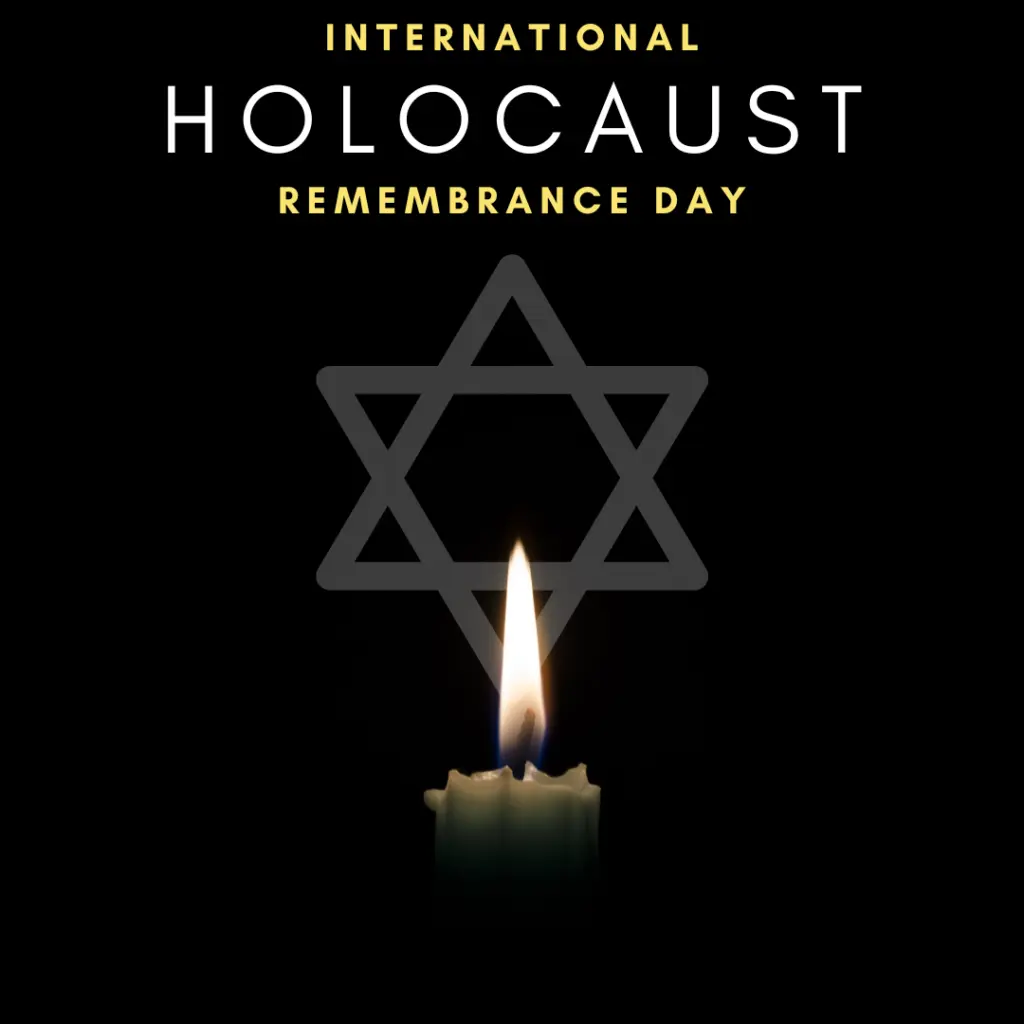
Holocaust Remembrance Day, observed annually on January 27, marks the anniversary of the liberation of Auschwitz-Birkenau, the largest Nazi extermination camp. This day serves as a solemn reminder of the atrocities committed during the Holocaust, where six million Jews, along with millions of others, were systematically murdered during World War II. Recognizing and remembering the victims and the horrors of this genocide is paramount in educating future generations and ensuring that such a tragedy never occurs again.
Key Events and Commemorations
This year, the United States joined various nations in commemorating Holocaust Remembrance Day through a series of events aimed at highlighting the importance of remembrance and education. Ceremonies were held at the U.S. Holocaust Memorial Museum in Washington D.C., where survivors shared their testimonies, emphasizing the need for collective memory and action against antisemitism and hate in all its forms. The theme for this year’s observance was “Courage to Remember,” focusing on the courage of those who opposed the Nazi regime and the resilience of the survivors.
Schools across the country participated by organizing educational programs, teaching students about the Holocaust’s history, and the moral lessons that stem from it. These lessons promote empathy, tolerance, and the fight against hatred and discrimination in contemporary society. Furthermore, public figures and politicians delivered moving speeches reinforcing the message that Holocaust denial is unacceptable, and awareness must be maintained.
The Significance for Today’s Society
Holocaust Remembrance Day is more than a day of reflection; it is a call to action against hate and intolerance. As antisemitism resurfaces globally, the relevance of this day is ever more pronounced. Educational efforts play a vital role in combating misinformation and ignorance that often lead to hate crimes. Facing a rise in hate speech and violence against Jewish communities, it is crucial that society remains vigilant and proactive in challenging these narratives.
Conclusion
Holocaust Remembrance Day serves as a powerful reminder of the past and emphasizes the ongoing responsibility to ensure the dignity and safety of all people. In a world grappling with division and prejudice, it is essential that we engage in dialogue, support education about the Holocaust, and foster hope for a future where such atrocities are not repeated. Remembering the victims of the Holocaust is not just about honoring their memory, but also about safeguarding humanity against the evils of hatred and intolerance.