Introduction
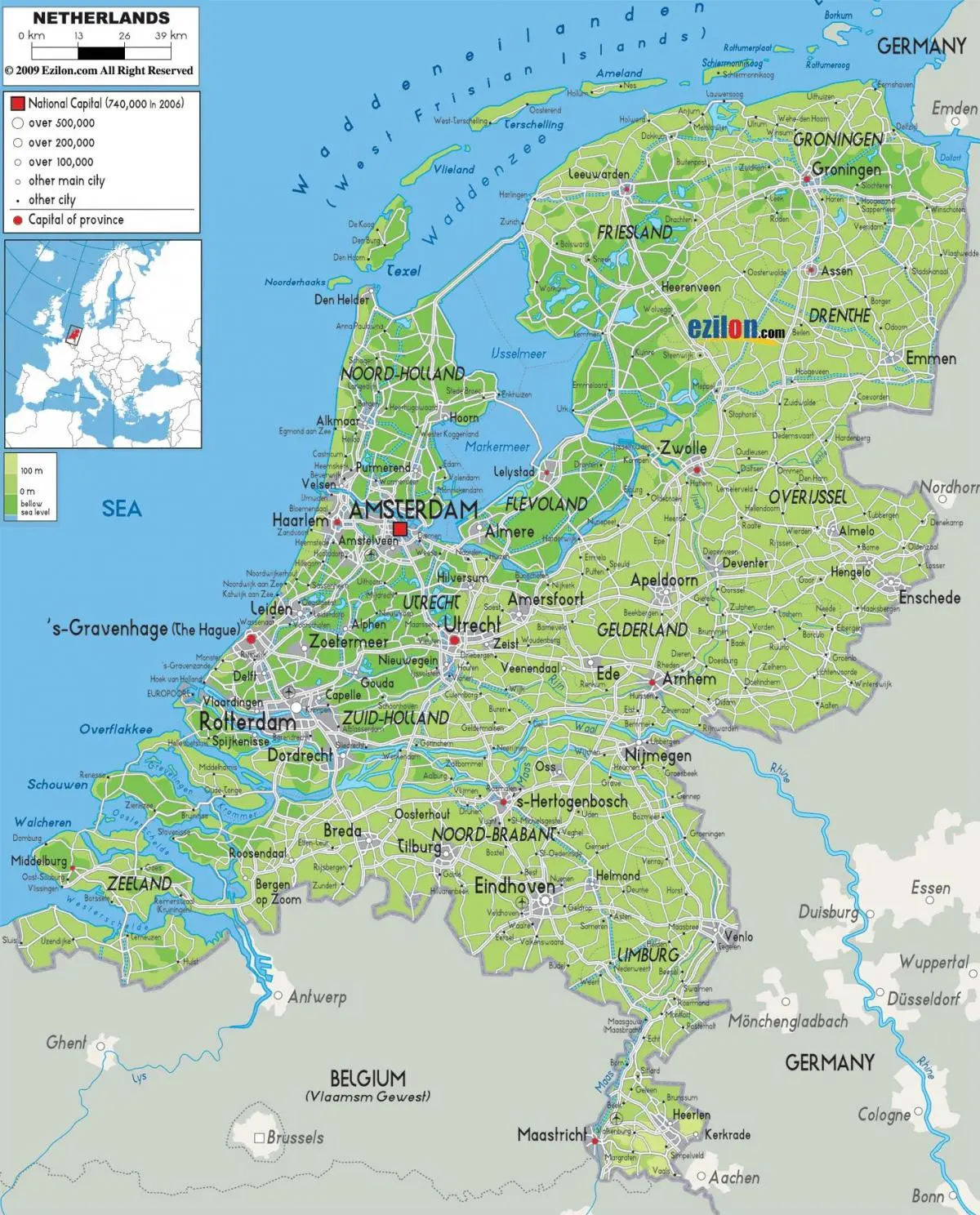
The Paesi Bassi, commonly known as the Netherlands, is a country renowned for its rich cultural heritage, economic strength, and progressive values. Situated in Western Europe, it serves as both a regional hub and a key player on the global stage. With recent developments in trade, climate initiatives, and social policies, understanding the significance of the Paesi Bassi is crucial for comprehending broader European and global dynamics.
Economic Landscape
The Netherlands is one of the world’s top exporters, featuring a highly developed economy characterized by its extensive agricultural sector, advanced technology, and skilled workforce. According to the World Bank, the GDP of the Netherlands was approximately $1 trillion in 2022, affirming its position among the top 20 economies worldwide. Rotterdam’s port, Europe’s largest, underscores the country’s strategic importance in international logistics and trade.
Recent Developments
In recent months, the Paesi Bassi has taken decisive steps toward sustainability and climate change mitigation. The Dutch government announced a significant investment of €35 billion in green technologies over the next decade, aiming to transition to renewable energy sources. This initiative aligns with the country’s commitment to reduce carbon emissions by 49% by 2030 compared to 1990 levels.
Moreover, the Dutch agricultural sector is also evolving. The government has advocated for sustainable farming practices to ensure food security while protecting biodiversity. This shift is essential as global food demands rise and environmental concerns intensify.
Cultural Significance
Aside from its economic power, the Paesi Bassi is a cultural treasure trove. Many famous artists, including Rembrandt and Van Gogh, hail from this nation. Recent initiatives to celebrate Dutch art and heritage have seen an increase in tourism, with over 19 million visitors in 2022, despite the lingering effects of the pandemic.
The government has also been proactive in promoting diversity and inclusion within society. The diversity of the Dutch population is increasingly reflected in cultural events, public policy, and educational curricula.
Conclusion
The Paesi Bassi stands at a crucial intersection of innovation and tradition, balancing its historical legacy with modern challenges and opportunities. As we look to the future, the country’s commitment to sustainability, economic robustness, and cultural richness will likely serve as a model for other nations. For the international community, the developments in the Paesi Bassi not only impact Europe but signify broader trends in globalization, environmental responsibility, and cultural exchange.