Introduction
The Insurrection Act is a critical piece of legislation that allows the federal government to deploy military forces to suppress civil disorder, insurrection, and rebellion. Originally enacted in 1807, its relevance surged during times of civil unrest. Recently, discussions have emerged surrounding the potential invocation of the Insurrection Act in Minnesota amidst heightened tensions and civil protests.
Background of the Insurrection Act
The Insurrection Act enables the President to mobilize the military without the consent of states when local authorities are unable or unwilling to maintain public order. It has been historically significant, invoked during the Civil Rights Movement and in response to riots. Minnesota, particularly after the civil unrest following George Floyd’s death in 2020, has been at the forefront of discussions about the Act’s potential applications.
Recent Events in Minnesota
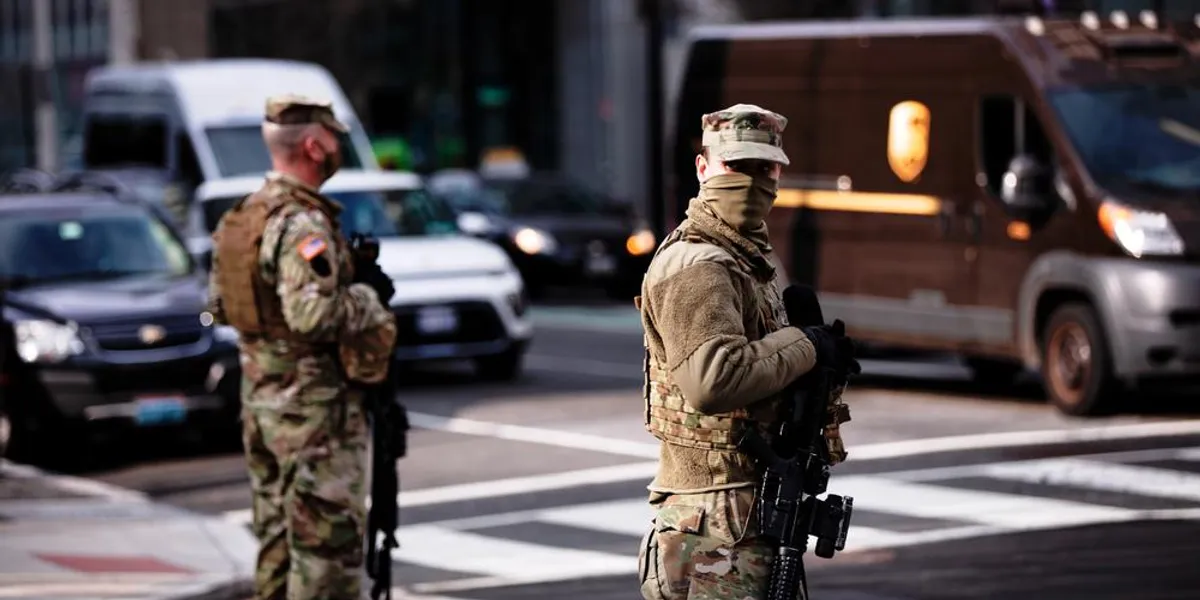
In light of recent protests and civil demonstrations concerning police reform and racial justice in Minnesota, discussions about the Insurrection Act resurfaced. Minnesota Governor Tim Walz expressed concerns over escalating violence during protests occurring in the Twin Cities. The governor emphasized that while he aims to maintain peace, he also does not want to reach a point where federal intervention is necessary. The state’s National Guard has already been activated to support local law enforcement in maintaining order.
Moreover, community leaders and civil rights activists have voiced their apprehensions regarding the use of the Insurrection Act. Many argue that such measures could lead to further escalation or incidents reminiscent of past military interventions in urban areas, which often resulted in heightened tensions and loss of life.
Shifts in Public Perception
The public’s perception of the Insurrection Act has varied significantly, influenced by historical context and recent events. Many citizens express alarm at the potential militarization of local policing, while others indicate a desire for increased security measures to protect communities. Local politicians are engaging in dialogue to find a balance, ensuring public safety while respecting citizens’ rights to protest.
Conclusion
The future invocation of the Insurrection Act in Minnesota remains uncertain. It hinges on the state of civil unrest and the response from local authorities. As discussions continue, it is crucial for both state and federal leadership to navigate these complex issues carefully, taking into account the historical implications and the current socio-political climate. Community involvement and dialogue will play a pivotal role in shaping policies that affect public safety and civil liberties.