Introduction
The ongoing Kaiser strike has become a pivotal moment in the healthcare sector, garnering national attention due to its impact on millions of patients and workers. The strike, which involves thousands of healthcare workers, highlights critical issues surrounding labor rights, staffing shortages, and quality of care in an already strained healthcare system. As negotiations between the management of Kaiser Permanente and the unions continue, the significance of this strike extends beyond immediate labor disputes, reflecting broader concerns affecting the healthcare landscape in the United States.
Details of the Strike
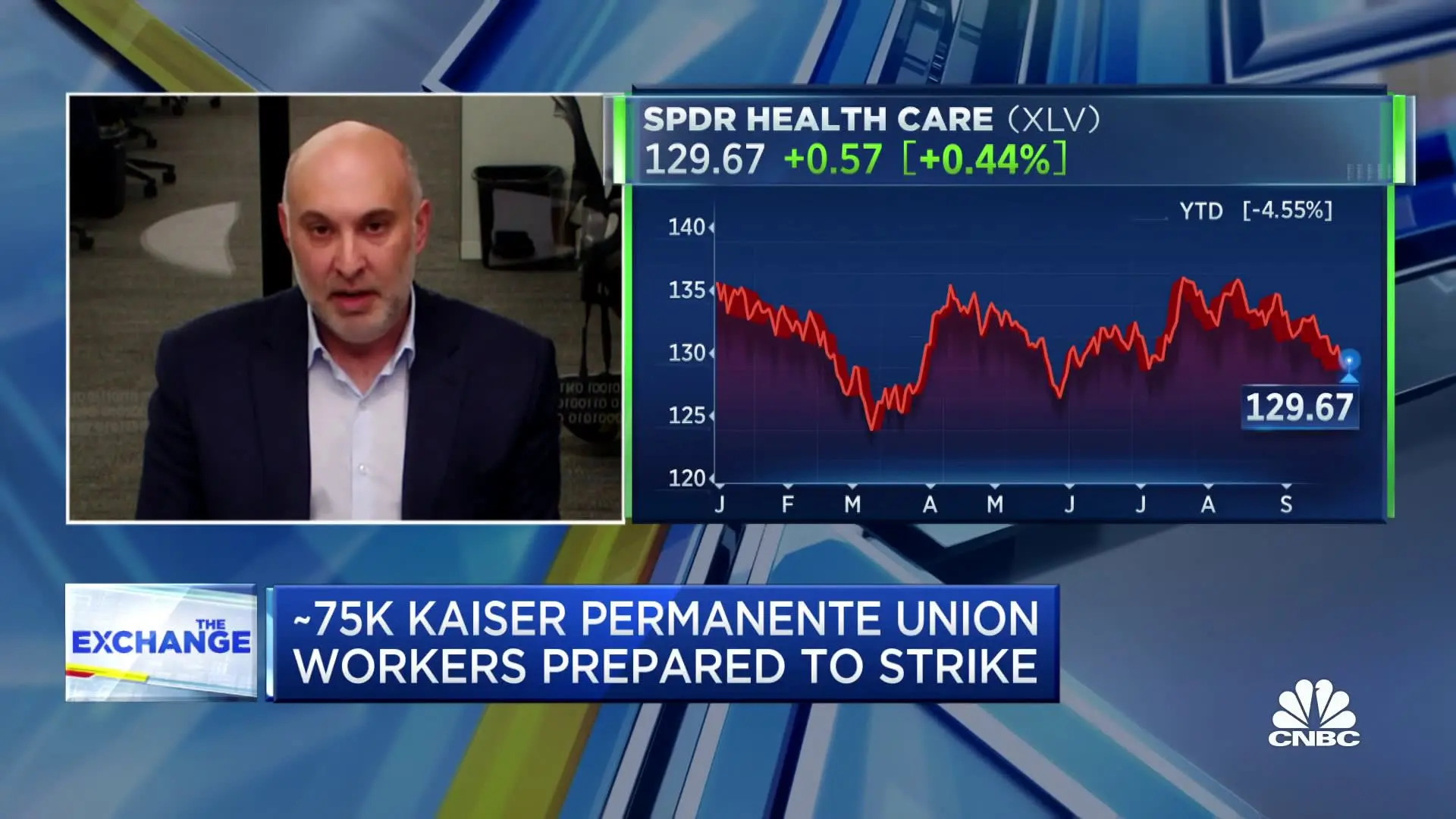
The strike commenced on October 1, 2023, when over 75,000 Kaiser workers, including nurses, technicians, and support staff, walked off the job after negotiations for better wages and improved working conditions stalled. Union leaders state that workers are demanding a significant wage increase, citing inflation and the increasing cost of living as factors that have eroded their purchasing power. Additionally, they are advocating for better staffing ratios, which they argue are crucial for maintaining patient care standards. As part of the strike, workers have organized picket lines at various Kaiser facilities across multiple states, drawing media coverage and public support.
Current Events and Reactions
In response to the strike, Kaiser Permanente has voiced its commitment to reaching an agreement, stating that it values its employees and the critical roles they play in patient care. However, the company has also expressed concerns about the strike’s potential to disrupt services, emphasizing that it is prepared to implement contingency plans to ensure patient safety and care continuity. Observers have noted the strike’s timing, during a period when healthcare systems are already under immense pressure due to high demand and the ongoing recovery from the COVID-19 pandemic.
Conclusion
The Kaiser strike serves as a crucial reminder of the challenges facing healthcare workers and the need for systemic changes within the industry. As negotiations unfold, the outcome will likely influence labor relations and policies across the healthcare sector, potentially setting precedents for future negotiations. Healthcare workers across the nation are watching closely, as the results of the Kaiser strike may inspire similar actions or negotiations in other facilities. For patients and families, the strike has immediate implications, raising questions about access to care and timely medical support. The coming weeks will be critical, as continued advocacy for worker rights and adequate patient care remains at the forefront of this unfolding story.