Introduction to the KKK Act
The Ku Klux Klan Act, commonly referred to as the KKK Act, was enacted in 1871 during the Reconstruction era to combat the widespread racial violence perpetrated by the Klan and other white supremacist groups. This landmark legislation aimed to protect the civil rights of African Americans and ensure their safety during a tumultuous period in American history. Understanding the KKK Act is crucial as it illustrates ongoing struggles against racial violence and highlights the continuous need for civil rights protections in the United States.
Background and Purpose of the KKK Act
Following the Civil War, the Klan emerged as a domestic terrorist organization aiming to restore white supremacy in the South. The federal government recognized the need to act, leading to President Ulysses S. Grant signing the KKK Act into law. The Act provided legal means for the federal government to intervene in states where racial violence was rampant, allowing for the suspension of habeas corpus and enabling federal troops to assist in restoring order.
Key Provisions of the KKK Act
The KKK Act contained several significant provisions, including:
- Section 1: Authorized the President to use federal troops to suppress Klan violence.
- Section 2: Allowed victims of Klan violence to sue for damages in federal court.
- Section 3: Established penalties for violent conspiracies aimed at denying civil rights.
These measures were aimed at dismantling Klan operations and restoring safety to African Americans in the South.
Historical Impact and Legacy
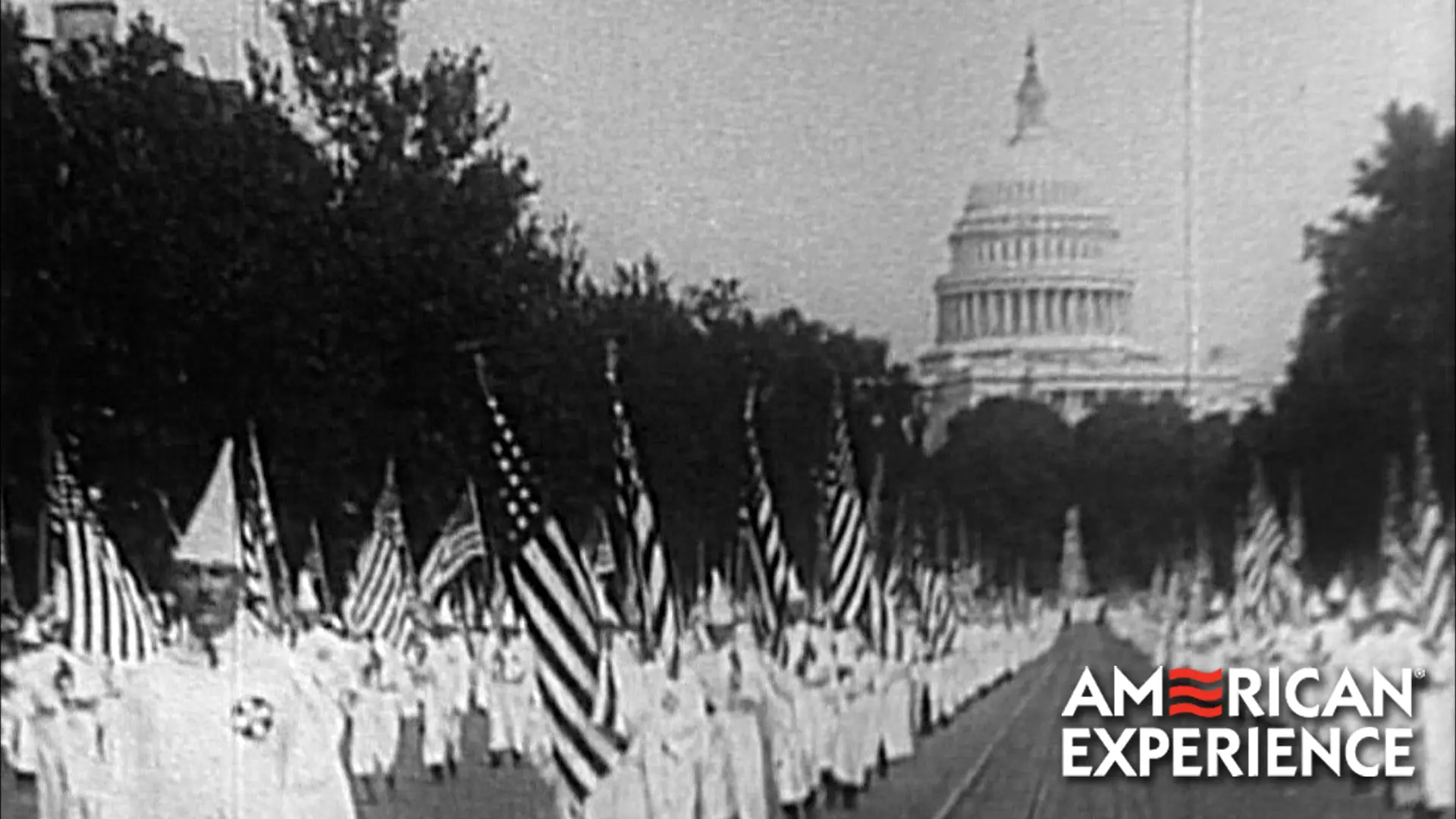
While the KKK Act was initially successful in diminishing Klan activity, its effectiveness waned by the end of the 1870s as federal support for Reconstruction faded. The Klan, however, never fully disappeared and saw a resurgence in the 20th century, leading to ongoing issues of racial violence that continue to affect American society.
Contemporary Relevance
The legacy of the KKK Act remains significant in contemporary civil rights discussions. It serves as a historical reminder of the ongoing fight against racism and the importance of federal legislation in protecting individual rights. In today’s climate, where hate crimes and racial tensions remain prevalent, the principles behind the KKK Act continue to influence modern civil rights initiatives and legal frameworks intended to protect marginalized communities.
Conclusion
The KKK Act was a vital response to domestic terrorism in the post-Civil War United States, highlighting the government’s commitment to protecting civil rights. As Americans reflect on the impact of such legislation, it becomes increasingly clear that the fight for equality and justice is ongoing and requires vigilant advocacy and legal protections for all individuals, irrespective of race.