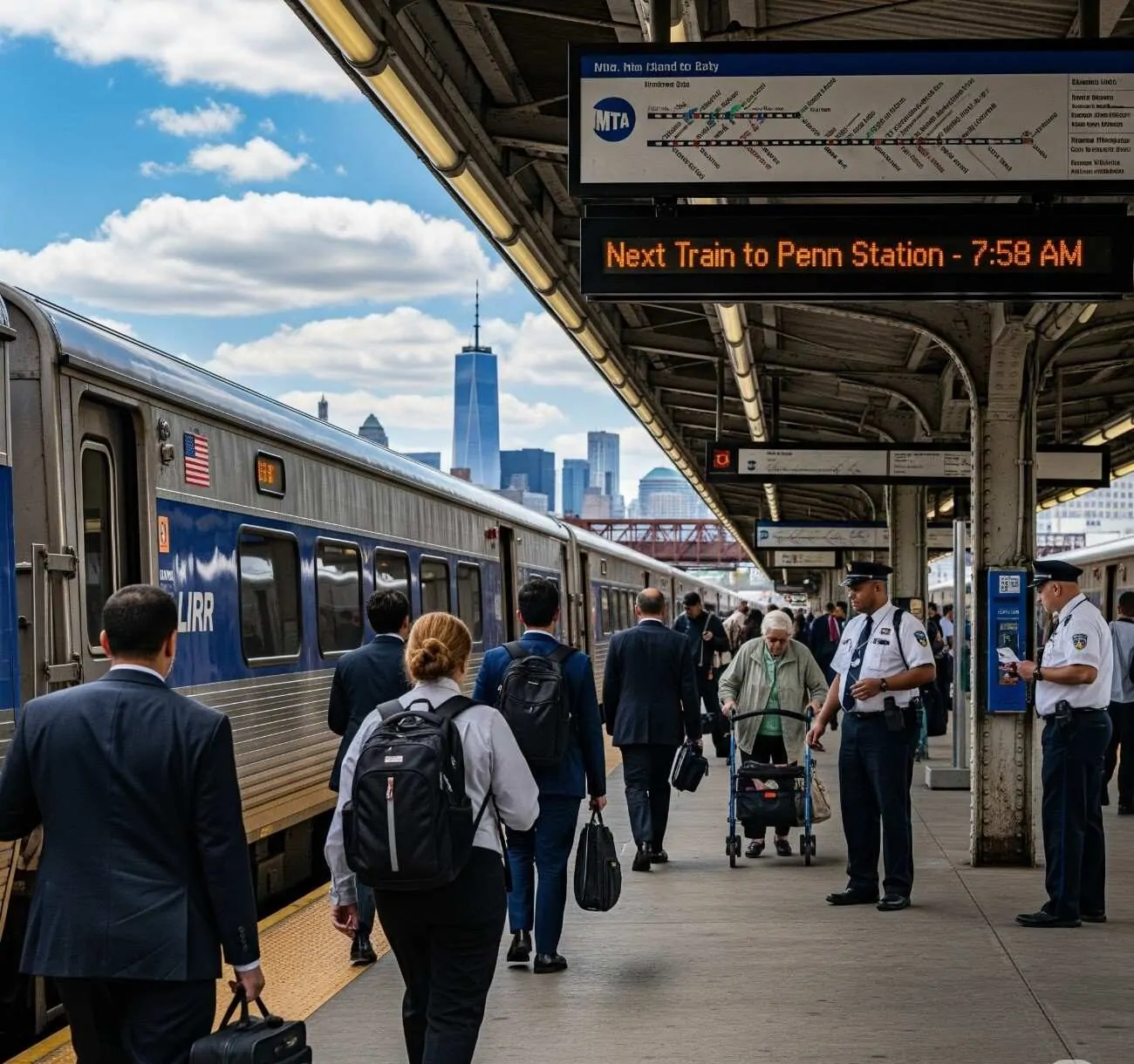
Introduction to LIRR Schedule
The Long Island Rail Road (LIRR) is a vital transportation system that connects commuters from Long Island to New York City, making it an essential component of daily life for many residents. With changes in ridership patterns and various operational challenges, keeping track of the LIRR schedule is more important now than ever for effective commuting.
Recent Schedule Adjustments
In light of ongoing changes due to the impact of the COVID-19 pandemic and subsequent recovery efforts, the LIRR has made several adjustments to its schedule to better serve the current needs of passengers. As of October 2023, the LIRR has increased service frequency during peak hours to accommodate a growing number of commuters returning to work and school. Additionally, the MTA has implemented real-time tracking apps to help riders plan their journeys more effectively.
Notable Features of the Updated Schedule
The updated LIRR schedule now includes:
- Weekend Service Enhancements: More trains are scheduled on weekends to cater to the demands of leisure travelers.
- Morning Peak Expansions: Extra trains will run during the morning rush to alleviate overcrowding.
- Late-Night Options: To accommodate nightlife and work schedules, additional late-night trains have been added.
Future Changes and Forecasts
Looking forward, the LIRR is actively working on infrastructure upgrades, which could lead to further schedule changes in the coming months. Improved tracks and signaling systems are anticipated to enhance the overall efficiency and reliability of train services. Additionally, the MTA is focusing on integrating more sustainable practices within its operations, aligning with environmental goals which may impact future schedules.
Conclusion
For commuters, staying updated on the latest LIRR schedule is crucial for ensuring timely travel. With changes continually being made to address passenger needs, it is essential for riders to check for updates regularly. The LIRR remains committed to improving the user experience in hopes of facilitating a smoother commute for all passengers. As train services evolve, the insights and adjustments made will benefit both daily commuters and the broader community.