Introduction to Levi’s Stadium
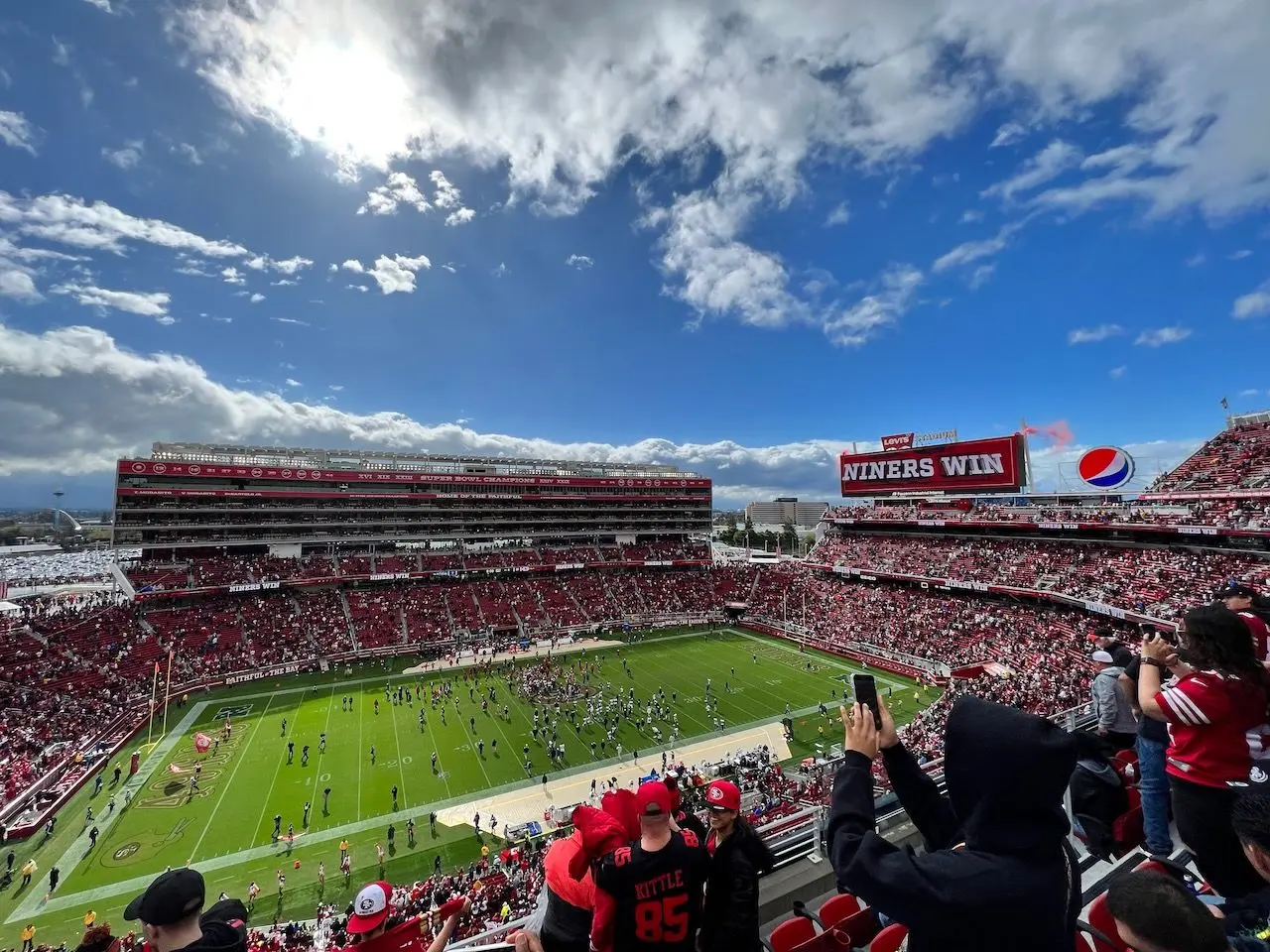
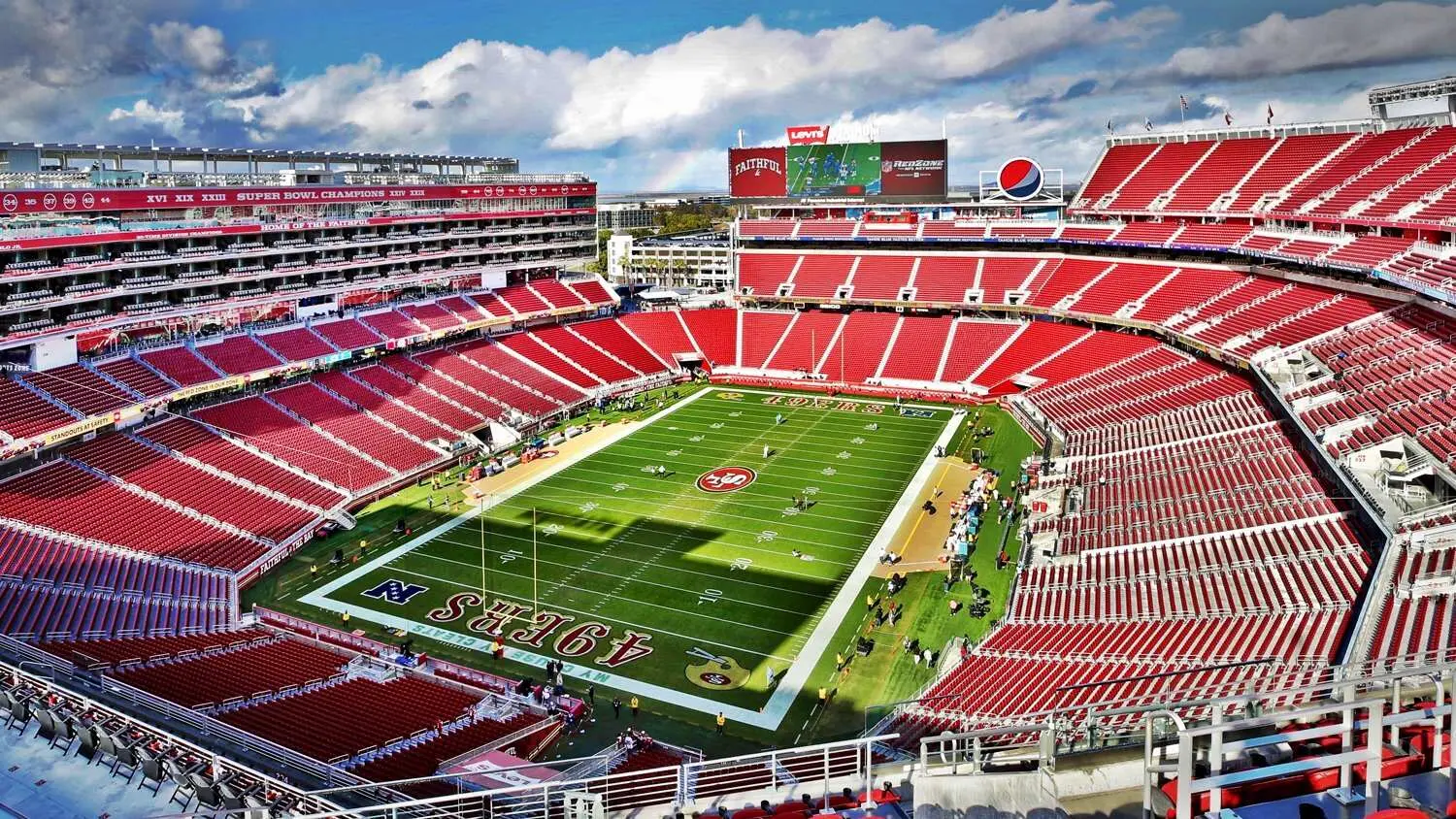
Levi’s Stadium, home to the San Francisco 49ers of the National Football League (NFL), is located in Santa Clara, California. Opened in 2014, this stadium has become a key venue for sports and entertainment events, reflecting the evolving landscape of modern stadium architecture and fan engagement. Its strategic location is essential for not only local residents but also for fans traveling from different regions to enjoy various events, including Super Bowls and concerts.
Location Details
Levi’s Stadium is situated at 4900 Marie P. DeBartolo Way, Santa Clara, CA, approximately 40 miles south of San Francisco. Its position makes it easily accessible from major highways, including U.S. Route 101 and Interstate 880, ensuring smooth travel for fans and visitors alike. The stadium is also connected to public transportation, with a nearby light rail station making transit convenient.
Significance of the Stadium
In addition to hosting NFL games, Levi’s Stadium has been a part of numerous high-profile events. It is the site of the 50th Super Bowl, which took place in February 2016, showcasing the venue on a national stage. Furthermore, the stadium has hosted concerts for big-name artists, and events like the College Football Playoff National Championship.
Impact on the Community
Levi’s Stadium has significantly impacted the local economy. Its construction created thousands of jobs and continues to provide employment opportunities through events held at the venue. Moreover, the stadium has engaged in various community outreach programs, enhancing its importance beyond just a sporting venue. This has made Levi’s Stadium a central part of Santa Clara’s identity and economy.
Conclusion
In summary, Levi’s Stadium is not only a critical venue for sports fans but also a significant contributor to the local economy in Santa Clara, California. Its location is at the heart of a thriving region and is vital for visitors all year round. As new events continue to be announced, the stadium’s prominence will undoubtedly grow, solidifying its place in both sports history and community engagement.