Introduction to MBTA
The Massachusetts Bay Transportation Authority (MBTA) plays a crucial role in the daily commute of millions of residents in Greater Boston and surrounding areas. As one of the oldest and most extensive public transit systems in the United States, it provides vital services that help reduce traffic congestion, decrease carbon emissions, and facilitate economic growth. The relevance of the MBTA has surged, especially in the light of recent pandemic-related changes and ongoing infrastructure developments.
Current Services and Operations
As of October 2023, the MBTA continues to operate its network of trains, buses, ferries, and commuter rail services. With the introduction of the ‘Better Bus Project’, the agency aims to enhance the reliability and accessibility of bus services. This initiative involves real-time tracking, improved scheduling, and enhanced connections with rail services. Safety remains a priority, with measures in place to ensure the well-being of passengers, including regular sanitization and adherence to health guidelines.
Recent Developments
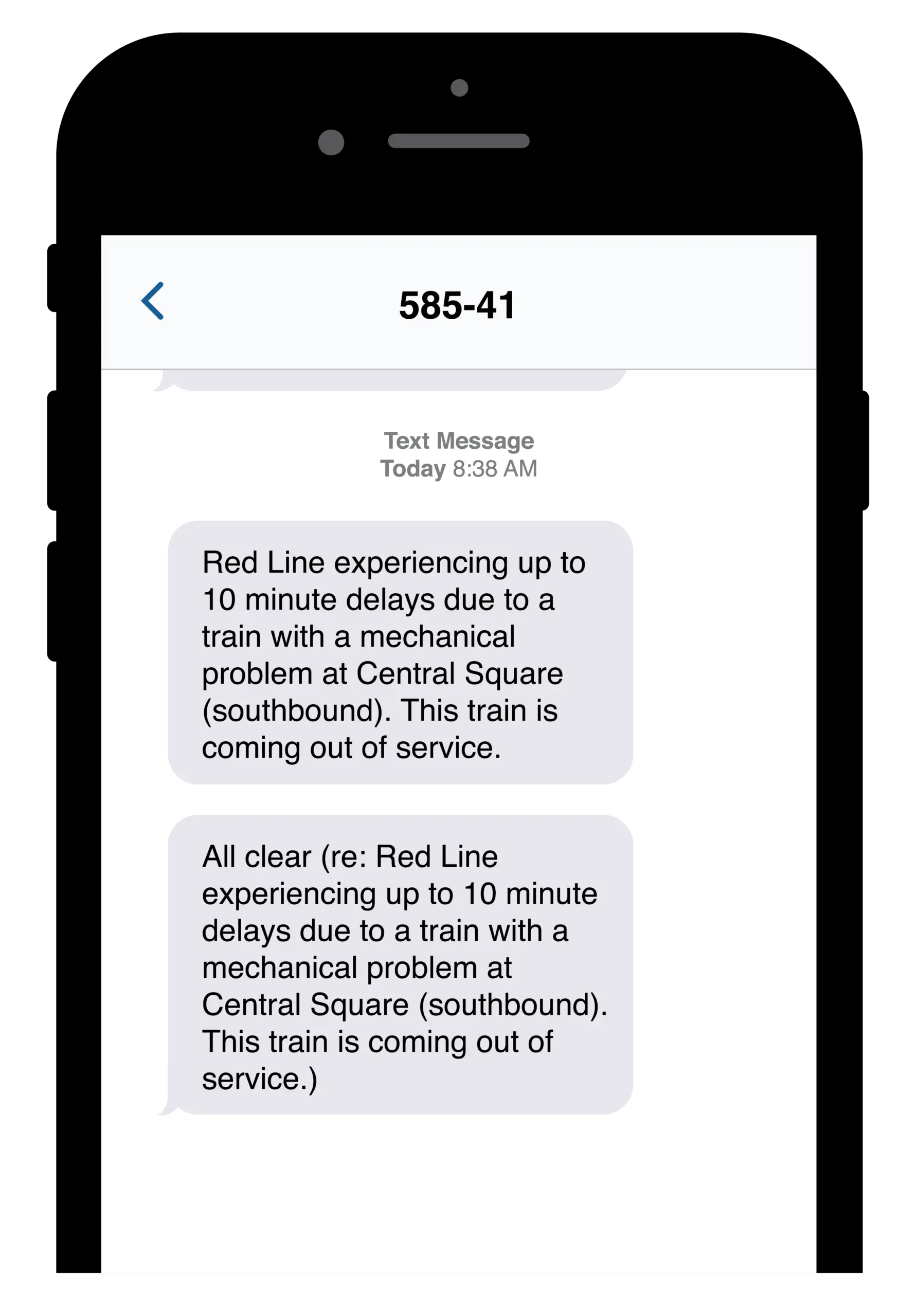
In recent months, the MBTA has faced challenges, including budgetary concerns and public scrutiny over safety incidents. Notably, incidents on the Red and Orange Lines have prompted increased inspections and maintenance efforts. Additionally, the MBTA has been working on a multi-year capital investment plan that aims to upgrade aging infrastructure, address maintenance backlogs, and improve overall service reliability. The plan is crucial, especially after a summer filled with delays and service disruptions, which affected commuters throughout the region.
Looking Ahead
Moving forward, the MBTA is not only focused on maintaining current services but also on expanding and modernizing its offerings. Authorities are exploring innovative technologies, including the integration of electric vehicles into the bus fleet and potential enhancements to fare collection systems, to improve efficiency and passenger experience. Given the rising interest in eco-friendly transportation options, the MBTA’s future efforts could significantly influence urban mobility across Greater Boston.
Conclusion
The Massachusetts Bay Transportation Authority remains a linchpin of public transport in the Boston area. As it navigates the challenges of modernization and safety, its developments will play a significant role in shaping the region’s transit landscape. For residents who depend on these services, staying informed about the MBTA’s updates is essential. As we look toward the future, the effectiveness and innovation of the MBTA will have lasting implications on public transportation in Massachusetts.