Introduction
The Ohio kindergarten age law has been subject to important changes that directly affect families and educators across the state. With the focus on early childhood education and development, understanding these laws is essential for parents planning their child’s educational journey. This article delves into the implications of the kindergarten age law in Ohio and its relevance in shaping educational timelines for young learners.
Details on the Kindergarten Age Law
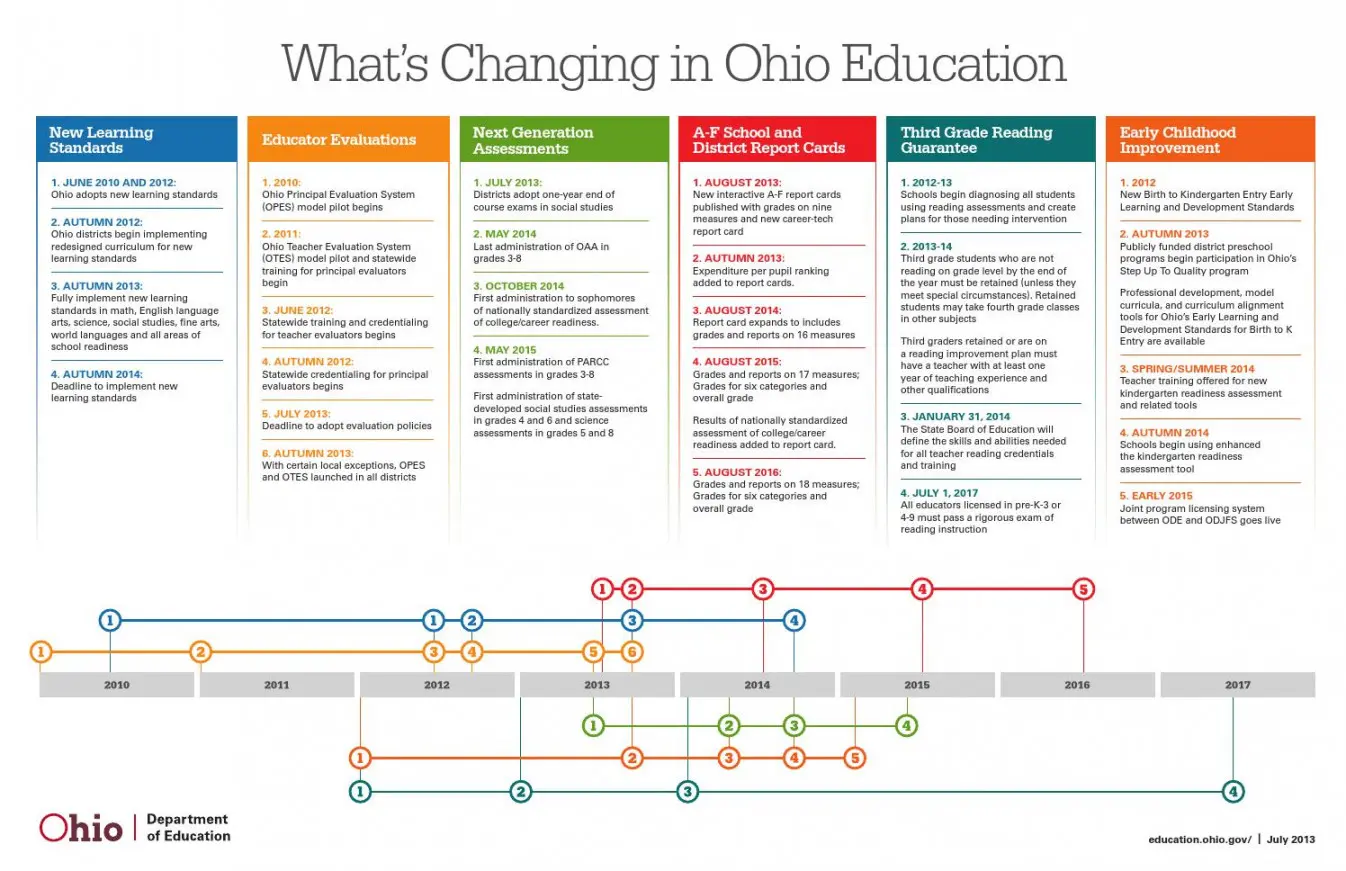
As of 2023, Ohio law mandates that children must be at least 5 years old by September 30 of the year they enroll in kindergarten. This is a shift from the prior regulation, which allowed flexibility in age enrollment based on educational readiness. The intention behind this adjustment is to ensure that children enter kindergarten at an age when they are developmentally prepared to engage in structured learning.
The change aims to improve academic preparedness and enhance educational outcomes, as research has demonstrated that younger children in kindergarten settings can struggle with the social, emotional, and intellectual demands of the curriculum. As a result, the state is emphasizing the importance of developmental appropriateness, suggesting that age-appropriate enrollment can lead to better long-term results in education.
Impact on Families and Educators
For parents, the new law means more careful consideration of their child’s readiness for school. Families may seek additional resources or developmental programs before their child reaches the required age. Additionally, school districts are being tasked with providing support and information to help parents navigate this transition. The law not only affects enrollment numbers but also forces educators to adjust strategies in teaching methodologies to accommodate a varied cohort of children.
Moreover, school administrators worry about potential backlog scenarios where children who just miss the cutoff may not start school with their peers, which could place them at a disadvantage in adjustment and socialization. As a response, many districts are ramping up their pre-kindergarten programs to ensure that children have support and learning opportunities before they enter official schooling.
Conclusion
Overall, the changes to the Ohio kindergarten age law represent a significant shift aimed at improving educational outcomes for young learners. Parents must stay informed and involved in the development stages of their children, while educators must adapt to revised expectations and challenges. As Ohio continues to address educational readiness, close observation of how these changes affect student performance and societal integration will be crucial. The state’s commitment to prioritizing kindergarten readiness signals a proactive approach towards creating a more effective educational framework for future generations.