Introduction
The Pizza Gate conspiracy theory emerged during the 2016 United States presidential election, captivating social media and raising significant questions about news, misinformation, and the consequences of conspiracy theories in the digital age. With its origins traced to unfounded claims about a Washington, D.C. pizzeria allegedly housing a child trafficking ring, Pizza Gate represents not only a case of harmful falsehoods but also illustrates the potential hazards of online misinformation gaining traction.
The Emergence of Pizza Gate
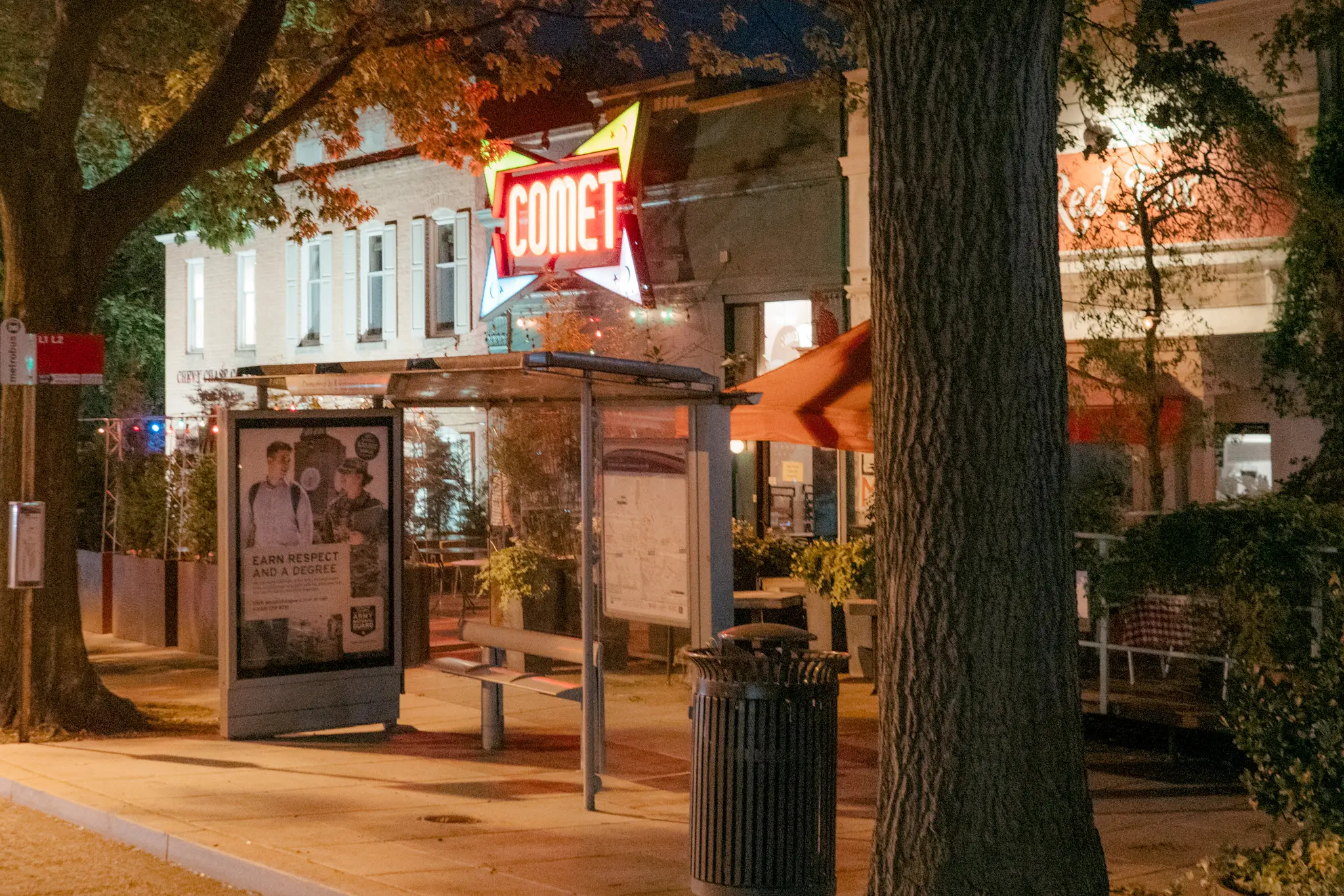
Pizza Gate started gaining attention when hacked emails from John Podesta, Hillary Clinton’s campaign chairman, were published by WikiLeaks. Conspiracy theorists scrutinized these emails for coded messages, claiming they contained references to a global pedophile ring. As social media amplified these messages, users began to associate Comet Ping Pong, a family-friendly pizzeria in Washington, D.C., with these baseless accusations.
The situation escalated dramatically in December 2016 when a man entered Comet Ping Pong with a firearm, claiming he was there to “investigate” the conspiracy. Fortunately, no one was injured, but this incident underscored the perilous implications of spreading unverified information.
The Response and Consequences
The Pizza Gate conspiracy theory drew widespread condemnation from various quarters, including law enforcement, public figures, and media outlets. Facebook and Twitter took steps to mitigate the spread of false information, promoting fact-checking initiatives aimed at curbing the virality of such dangerous claims. However, the impact of Pizza Gate permeated beyond just social media; it illuminated how misinformation can influence public behavior and beliefs.
Significance and Lessons Learned
The Pizza Gate episode has become a cautionary tale about the repercussions of misinformation in today’s interconnected world. It highlights the need for critical thinking when consuming news, especially in the age of social media where false narratives can be disseminated quickly and widely. Furthermore, it has sparked discussions about the responsibility of tech companies to regulate content without infringing upon free speech.
Conclusion
While the Pizza Gate theory has been debunked, its legacy continues to affect conversations surrounding misinformation, conspiracy theories, and public trust in media and institutions. As we move forward, vigilance against baseless claims and a commitment to promote accurate information will be crucial in preventing similar situations from arising in the future. In an increasingly polarized society, fostering media literacy remains essential for democracy and community cohesion.