Introduction
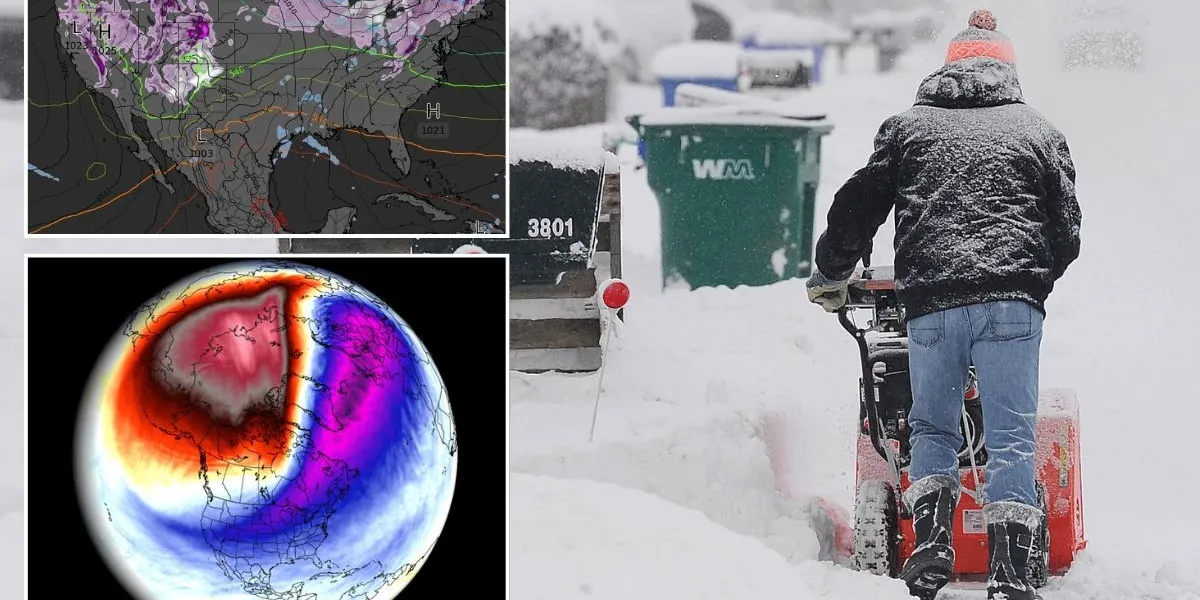
The polar vortex is a large area of low pressure and cold air surrounding the Earth’s poles, playing a crucial role in determining winter weather patterns in the Northern Hemisphere. Recent forecasts indicate that a collapse of the polar vortex may occur this winter, prompting significant interest and concern among meteorologists and the general public alike. This phenomenon could result in severe weather changes, including unusually cold temperatures in regions far from the Arctic.
What is the Polar Vortex?
The polar vortex is essentially a circulation of strong winds high in the atmosphere, encircling the polar regions. When functioning normally, these winds contain the cold air over the Arctic, but shifts in the jet stream can lead to a breakdown in this stability. A collapse of the polar vortex means these winds weaken or even reverse, allowing frigid Arctic air to spill southward.
Current Forecasts
As of December 2023, meteorologists suggest that the polar vortex may be on the verge of a collapse due to a series of disturbances in the atmosphere. Analysis conducted by the National Weather Service indicates that certain conditions—such as abnormally high Arctic temperatures and changes in ocean patterns—are aligning to favor this drastic weather event. The forecast points to a potential spike in cold air outbreaks across the continental United States, especially in the northern and central regions.
Potential Impacts
A collapse of the polar vortex can lead to several adverse weather scenarios, including extreme cold spells, heavy snowfall, and disruptions to transportation and power supply systems. Regions like the Midwest and Northeast could experience significant drops in temperature, leading to dangerous travel conditions and increased heating demands. Historical data has shown that previous polar vortex disruptions have resulted in notable winter storms and hazardous weather conditions.
Conclusion
As we approach the peak of winter, understanding and monitoring the polar vortex collapse forecast remains critical for preparing for potential weather extremes. The implications of such events can be far-reaching, affecting not only local weather patterns but also impacting infrastructure and daily life. Residents in affected areas are advised to stay informed and be prepared for the potential cold air outbreaks in the coming weeks. Continued observation and research into the polar vortex will provide valuable insights for better predicting weather fluctuations and their associated challenges.