What is the Polar Vortex?
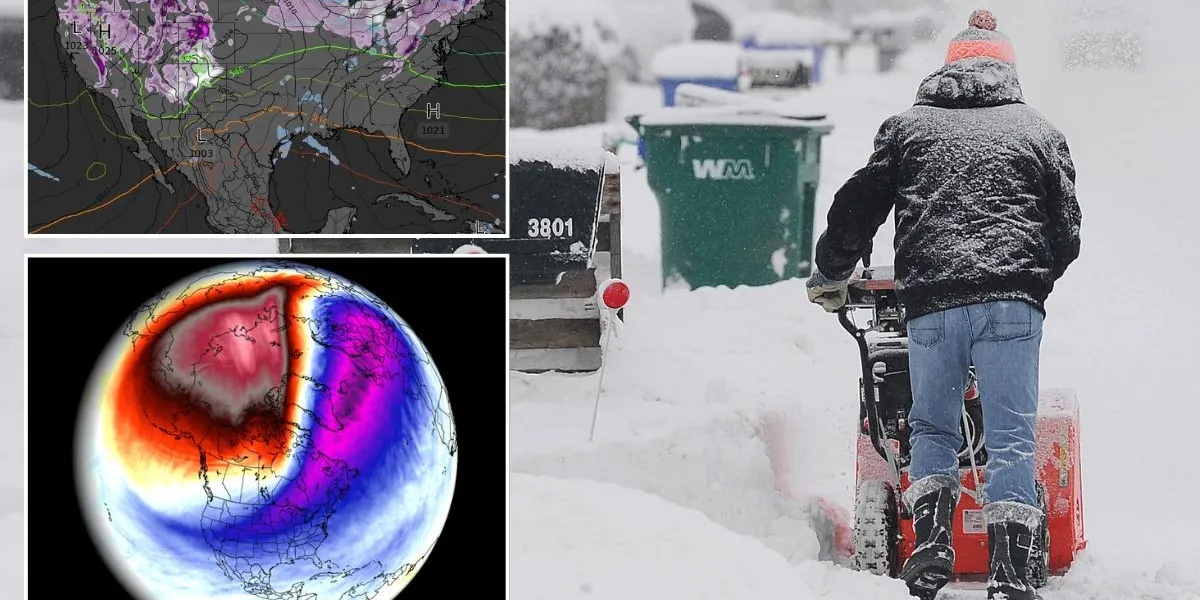
The polar vortex is a large area of low pressure and cold air surrounding the Earth’s poles. It strengthens during the winter months, but several factors can lead to its destabilization, resulting in dramatic weather shifts in the mid-latitudes.
Current Forecast for Polar Vortex Collapse
As of October 2023, meteorologists are closely monitoring the polar vortex for signs of potential collapse in the coming months. Experts have noted unusual temperature patterns in the Arctic, which may indicate a weakening of the polar vortex. Data from the National Oceanic and Atmospheric Administration (NOAA) suggests that these changes could lead to colder-than-normal temperatures in the continental United States, particularly in the Midwest and Northeast regions.
Factors Contributing to Collapse
Several key factors are believed to contribute to the collapse of the polar vortex. These include stratospheric warming, changes in sea surface temperatures, and atmospheric circulation patterns. Recent studies have shown an increase in extreme weather events linked to polar vortex disruptions, raising concerns among climatologists and meteorologists.
Potential Impact on Weather
If the polar vortex does collapse, it could lead to a series of significant weather events, including extended cold spells, heavy snowfall, and increased precipitation in some areas. This could affect not only everyday life but also agriculture, energy consumption, and transportation systems across the affected regions. businesses and communities should prepare for winter conditions that may be more volatile than usual.
Conclusion
The forecast for a possible polar vortex collapse highlights the ever-changing dynamics of our climate and the importance of closely monitoring weather patterns. While predictions remain uncertain, the potential implications of such events underscore the need for preparedness as colder months approach. Staying informed about polar vortex forecasts will be essential for individuals and organizations alike to adapt to potential weather changes.