Introduction
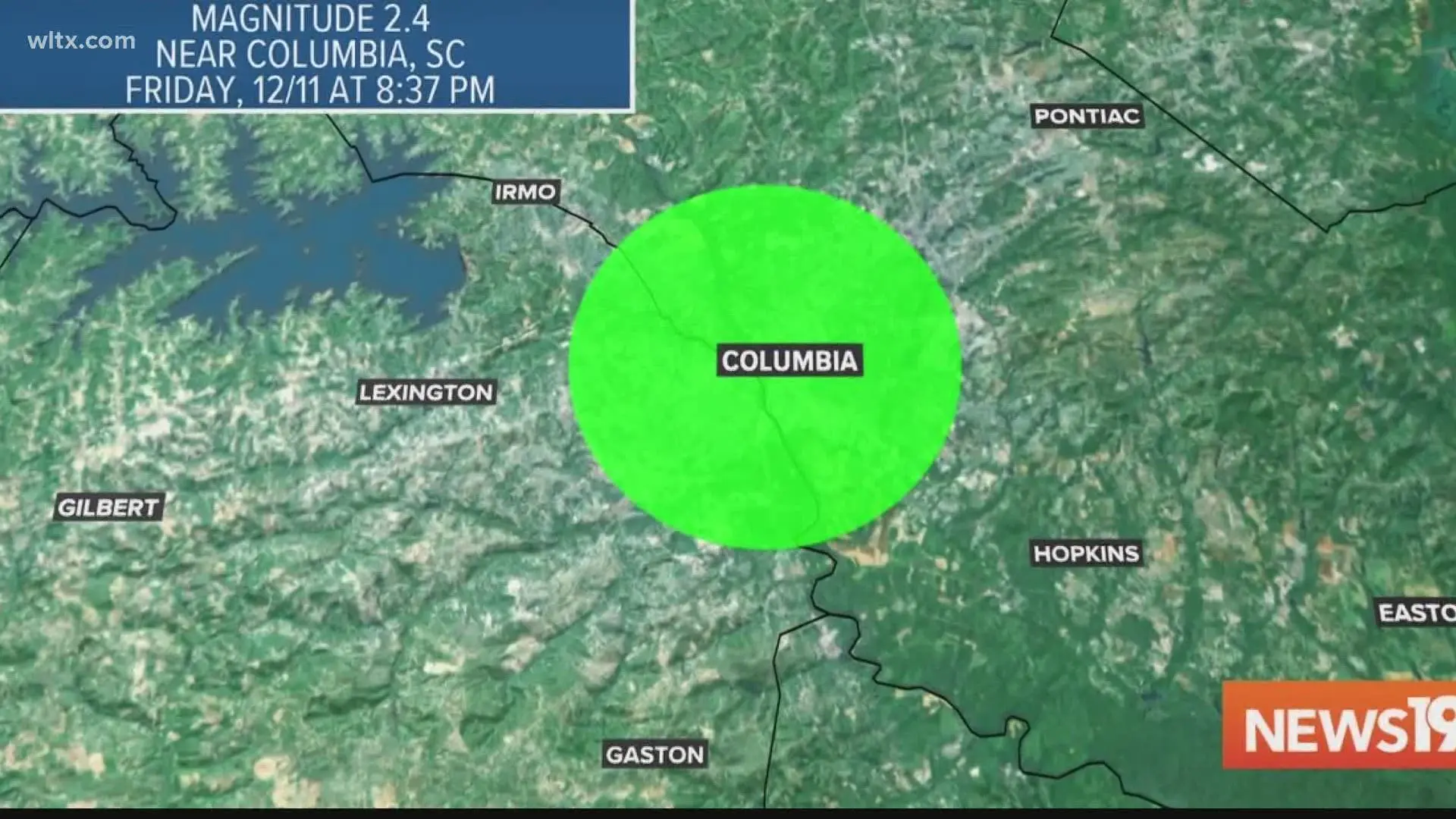
On October 15, 2023, residents of Columbia, South Carolina, were awakened by a significant earthquake that measured 4.6 on the Richter scale. This occurrence has sparked discussions about the seismic activity in the region, which traditionally experiences very few earthquakes. Understanding this event is crucial for residents, emergency preparedness, and geological studies.
Details of the Earthquake
The earthquake struck at approximately 3:25 AM, with its epicenter located near the northern outskirts of Columbia. The quake was felt across a wide area, reaching parts of North Carolina and Georgia. Fortunately, there have been no reports of serious injuries or extensive damage, although some buildings experienced minor structural issues, such as cracks and fallen debris. The local authorities quickly responded by assessing damage in vulnerable areas and ensuring the safety of residents.
Seismic Activity in South Carolina
South Carolina is not known for high seismic risk, but it does experience occasional seismic events. The strongest earthquake recorded in the state was a 7.0 magnitude quake in 1886, centered on Charleston, which caused considerable destruction. According to the U.S. Geological Survey (USGS), the recent quake is part of a larger pattern of infrequent yet significant seismic activity that has been seen in the southeastern United States.
Community Response
The Columbia community quickly responded to what initially caused panic among local residents. Emergency management services conducted immediate checks in neighborhoods and provided updates on safety protocols for future quakes. Schools and local businesses also initiated safety drills and workshops aimed at educating the public on emergency preparedness, emphasizing the importance of having earthquake kits and knowledge of evacuation procedures.
Conclusion
While the recent earthquake in Columbia, SC did not result in major damage or injuries, it serves as a critical reminder for residents to remain vigilant and informed about natural disaster preparedness. Experts suggest that such seismic events could occur more frequently due to shifting tectonic plates in the region. Continuous monitoring and community education will be essential in mitigating the risks associated with potential future earthquakes.