Introduction
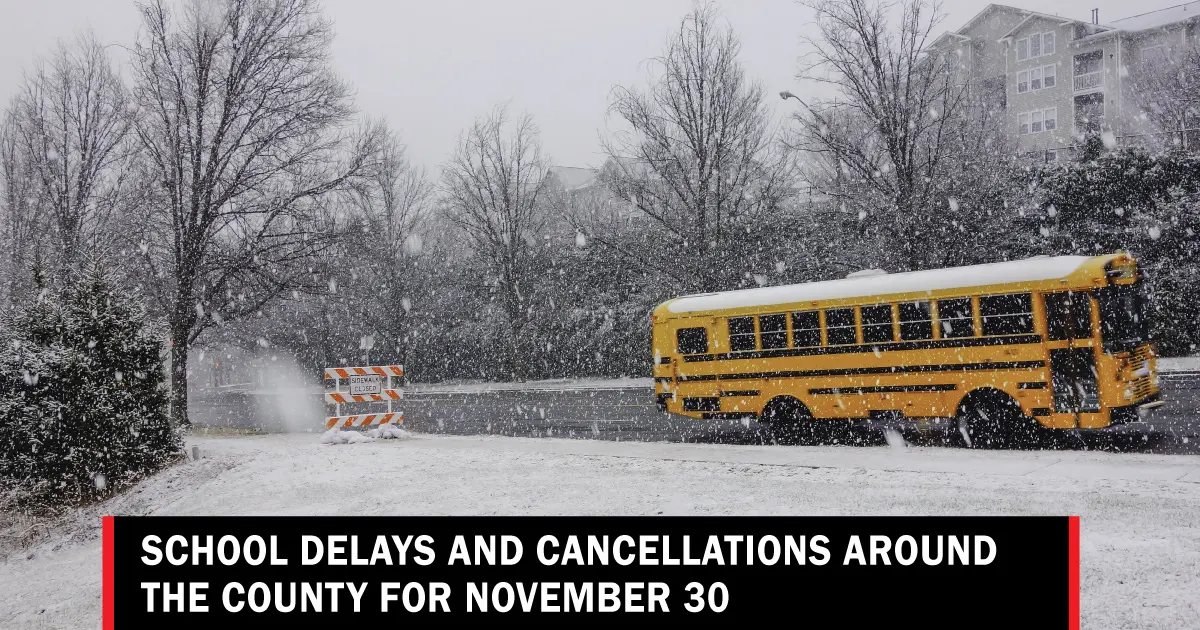
In recent months, school closings have become a significant topic of concern across the United States. Factors such as extreme weather events, public health issues, and budgetary constraints are contributing to these closures. Understanding the implications of school closures is crucial for students, parents, and educators alike, as they directly impact educational continuity and community support.
Recent Events and Factors Leading to Closures
According to the National Center for Education Statistics, over 2,300 public schools were closed in the 2022-2023 school year due to various reasons. Natural disasters, including hurricanes and flooding, have forced schools in states like Florida and Texas to shut their doors temporarily to ensure the safety of students and staff. Additionally, some schools have been closed due to the resurgence of COVID-19 cases. The CDC has recommended temporary closures in areas where virus transmission rates are critically high, aiming to curb outbreaks among students and faculty.
Budget cuts are another contributing factor, as many school districts face financial hardships leading to school closures. A recent survey by the National Association of School Administrators revealed that 30% of districts predicted potential layoffs or school closures if funding did not improve. Schools in rural areas often feel the brunt of these budget challenges, which can threaten their long-term viability.
Impact on Students and Communities
The repercussions of school closings extend far beyond the classroom. Students who rely on schools for meals and social interaction are particularly vulnerable during these shutdowns. The U.S. Department of Agriculture has reported an increase in demand for food assistance programs linked to school meal programs, emphasizing the socio-economic implications.
Moreover, school closures affect working parents, requiring them to make alternative arrangements for childcare and impacting their jobs. In areas with fewer resources, the burden becomes even heavier, leading to potential disparities in educational access and equity.
Conclusion
As school closings continue to rise due to various factors, the importance of understanding their impact cannot be overstated. Community engagement, resource allocation, and proactive planning are essential to mitigate the adverse effects on students and their families. Looking forward, schools and districts must prioritize resilience and adaptability to better navigate future challenges, ultimately safeguarding the quality of education and community welfare.