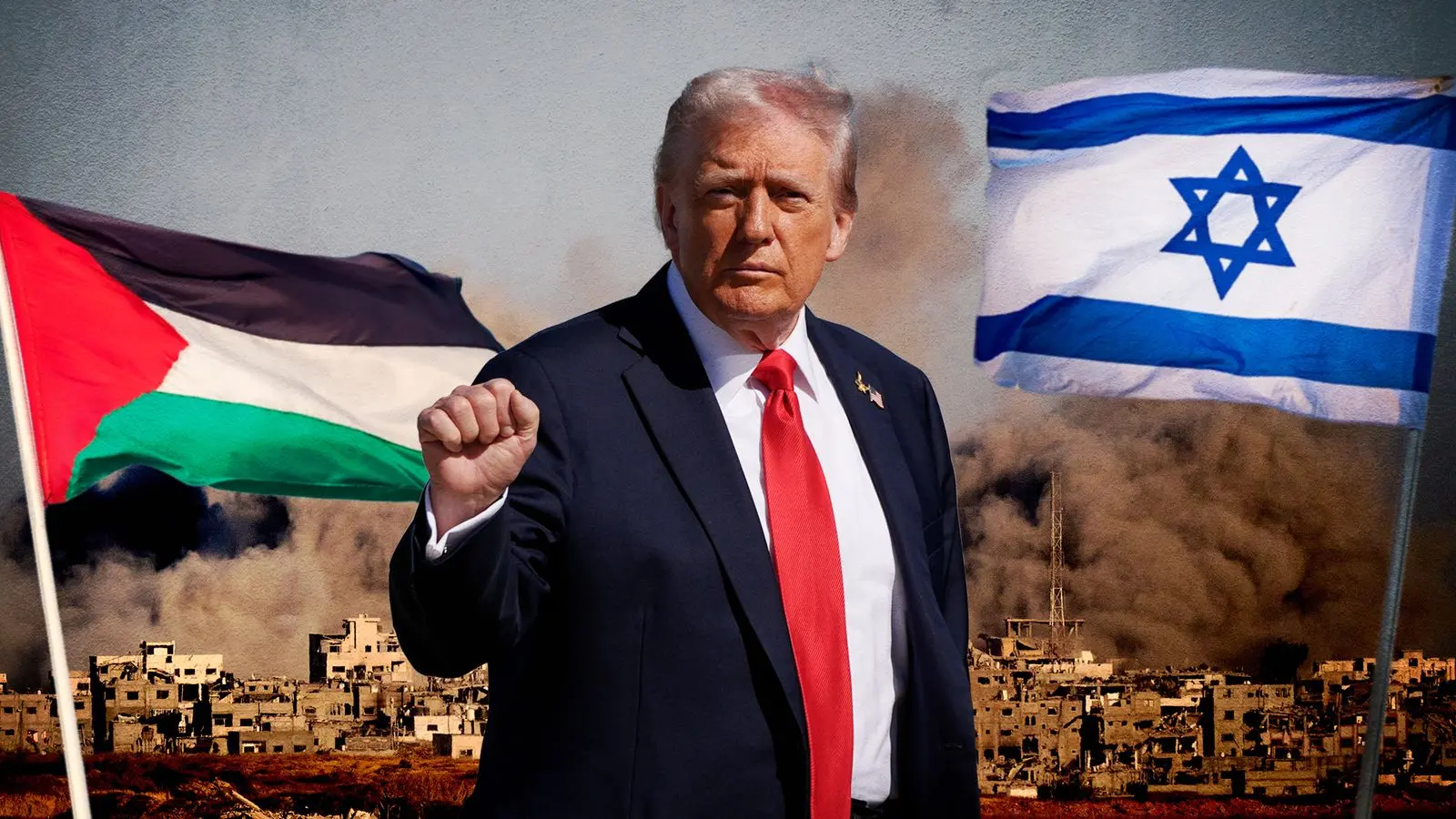
Importance of Peace Boards
The role of board of peace members is increasingly vital in today’s society as communities face rising tensions and conflicts. These boards are essential in promoting dialogue, understanding, and reconciliation among various groups. With the recent global unrest and local disputes, peace boards have gained prominence as mediators and facilitators in conflict resolution.
Roles and Responsibilities
Members of peace boards often come from diverse backgrounds, including community leaders, former officials, and advocates for social justice. Their responsibilities typically include:
- Facilitating community meetings to discuss local grievances and solutions.
- Collaborating with local law enforcement and community organizations to implement peace initiatives.
- Educating community members on conflict resolution and peaceful dispute mediation techniques.
Recent Developments
Recent events highlight the critical function of these boards. For instance, in early 2023, a board of peace was pivotal in de-escalating tensions following protests in a mid-sized American city. By offering a platform for dialogue and a structured approach to mediation, the board helped facilitate discussions between protestors and local officials. The interventions led to a reduction in hostilities and established a precedent for future communications.
Future Outlook
As community divisions grow, the demand for board of peace members is expected to increase. Experts suggest that more local governments may adopt similar models to address issues ranging from racial tensions to socioeconomic disparities. Moreover, the involvement of younger members, including students from local universities, introduces fresh perspectives and innovative approaches to traditional peace-making methods.
Conclusion
In conclusion, board of peace members play a crucial role in the maintenance and promotion of community harmony. Their ability to mediate, educate, and facilitate dialogue is increasingly relevant in today’s polarizing environment. While challenges remain, the proactive engagement of these boards may offer pathways toward lasting peace and mutual understanding in our communities.