Introduction
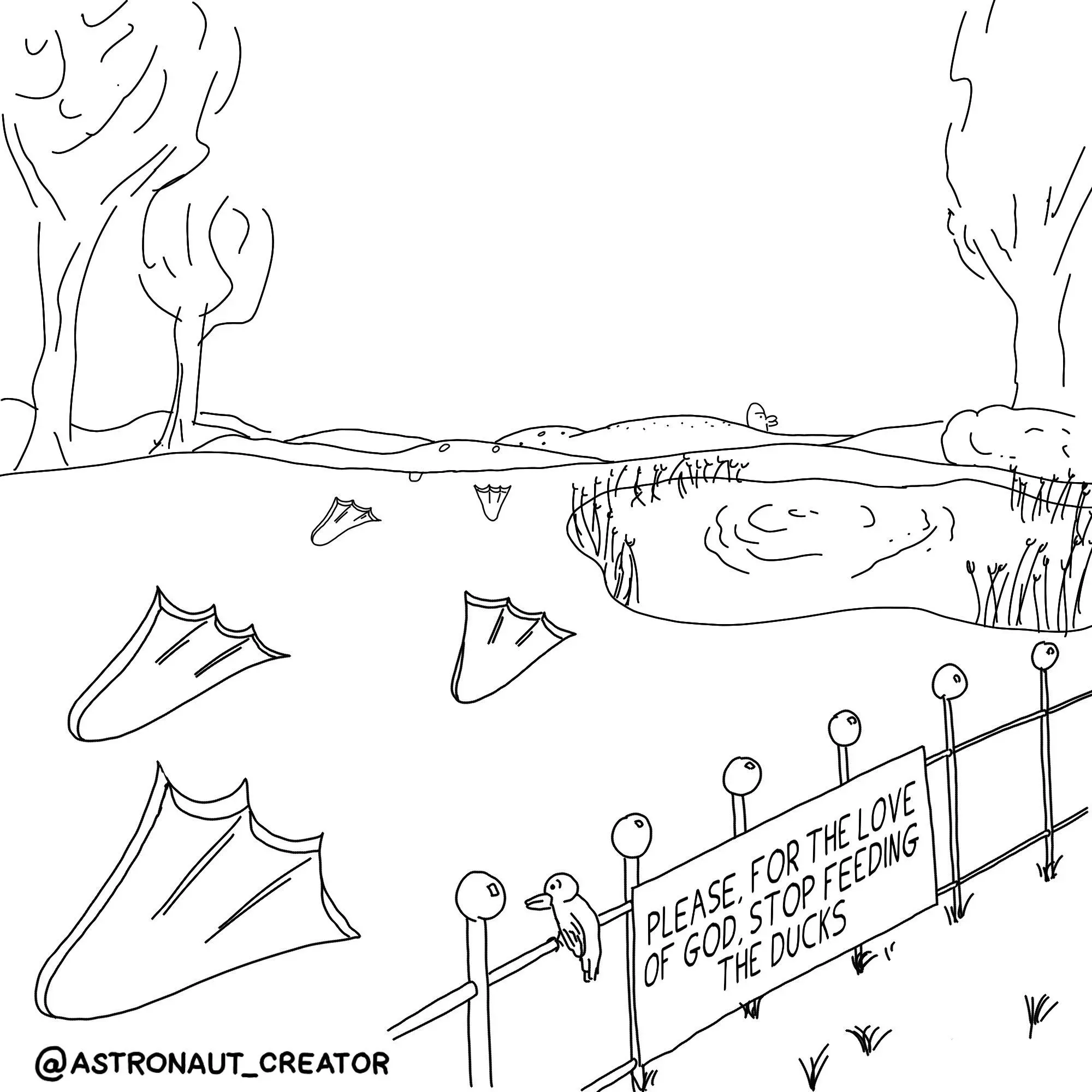
Ducks, often seen gliding on ponds or waddling across parks, are not just charming birds; they play a crucial role in our ecosystems. Their presence influences local biodiversity, contributes to water quality, and assists in seed dispersal. Understanding the importance of these waterfowl is timely and relevant as environmental concerns, such as climate change and habitat destruction, threaten their populations.
Ducks in the Ecosystem
Ducks belong to the family Anatidae, which also includes geese and swans. They can be found in diverse habitats across the world, from urban parks to remote wetlands. Ducks feed on aquatic plants, insects, and small fish, which helps control insect populations and maintain a balanced ecosystem. As they swim, ducks stir up sediment from the bottom of water bodies, promoting nutrient mixing and enhancing water quality.
Migration and Habitats
Most duck species are migratory, traveling thousands of miles between breeding and wintering grounds. This migration is essential for the survival of many species, as it allows them to escape harsh winter conditions and find food sources. Wetland habitats, which provide food and shelter for ducks, have suffered greatly due to urban development and agriculture, leading to a decline in duck populations in many areas. Conservation efforts are underway to protect these vital habitats.
Conservation Efforts
Organizations such as the Ducks Unlimited focus on wetland preservation and restoration to ensure that duck populations remain stable. They work towards sustainable water conservation practices and educate the public about the importance of protecting natural habitats. Recent initiatives have shown promising results, with increased awareness and action from local communities. However, more comprehensive strategies are needed to combat habitat loss effectively.
Conclusion
The future of ducks and their role in our ecosystems hinges on active conservation and habitat preservation efforts. As these charming birds face threats from climate change and habitat degradation, it becomes imperative for individuals and communities to take action. By fostering awareness and supporting conservation programs, we can help ensure that ducks remain a vibrant part of our natural environment, enriching our biodiversity and water quality for generations to come.