Introduction
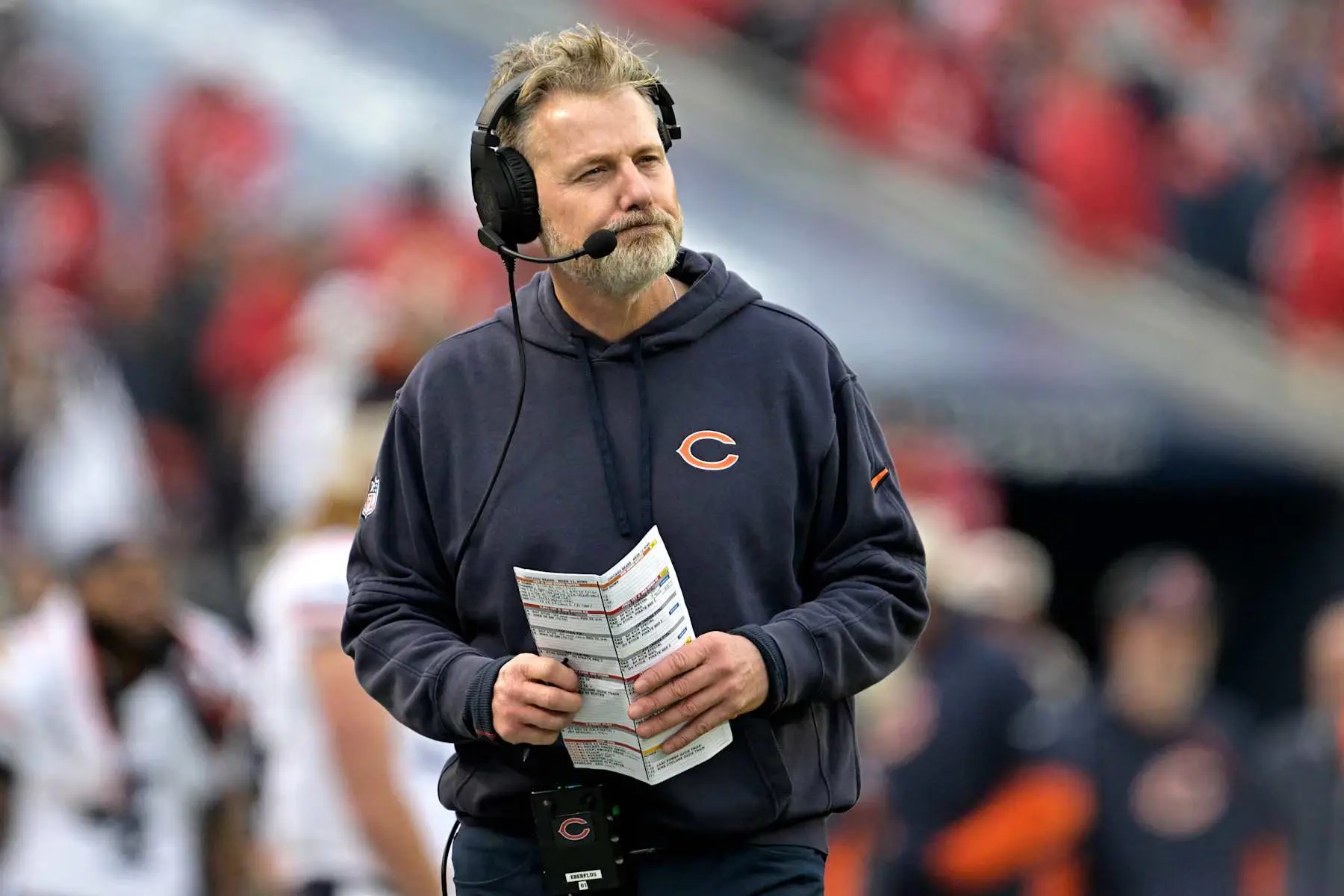
The role of the head coach in the NFL is critical to the success of each franchise. Head coaches not only shape the team’s strategies and game plans but also represent the face of the franchise to fans and the media. With the NFL continuing to evolve, understanding the current landscape and recent changes among head coaches provides insights into how teams are preparing for upcoming seasons.
Current Landscape of NFL Head Coaches
As of 2023, 10 teams in the NFL have undergone coaching changes, reflecting the high stakes and pressure within the league. Notable hires include Sean Payton with the Denver Broncos, who returns to head coaching after a successful tenure with the New Orleans Saints. Meanwhile, the Houston Texans hired DeMeco Ryans, a former player and assistant coach, signaling a shift towards building a more stable and competitive environment.
Furthermore, the trend of employing younger head coaches continues, with franchises looking for innovative thinkers who can connect with players in an ever-changing league. Coaches like Kyle Shanahan (San Francisco 49ers) and Matt LaFleur (Green Bay Packers) have set examples of how engaging leadership and modern tactics can lead to winning seasons.
The Impact of Head Coaches on Team Performance
Head coaches are paramount in creating the culture of the team, which significantly influences player performance, morale, and overall outcomes of games. Statistics indicate that teams with strong, effective leadership tend to outperform expectations. In 2022, the Miami Dolphins saw a resurgence under head coach Mike McDaniel, which led to their first playoff appearance since 2016.
Conclusion
The significance of a head coach in the NFL cannot be overstated. With the league constantly evolving, the decisions made in hiring and retaining head coaches will impact team trajectories for years to come. As franchises look to find the right leaders, the balance between experience and innovation will be essential in shaping successful teams in the competitive landscape of professional football. Observers expect that the trend of mentorship and collaboration between coaches and young players will continue, fostering an environment that prioritizes both growth and performance in the NFL.