Introduction to Curling
Curling is a precision sport that has captivated audiences worldwide, especially during the Winter Olympics. Played on ice, it involves sliding stones towards a target area which is divided into four concentric circles. The unique blend of strategy, teamwork, and skill makes understanding the rules of curling essential for fans and players alike.
Basic Gameplay
A typical curling match consists of two teams, each with four players. The game is played in ‘ends,’ which are similar to innings in baseball. In each end, one team delivers eight stones—four per player—toward the house, while the opposing team does the same. The objective is to get as many of their stones closer to the center of the house than their opponent.
Equipment and Setup
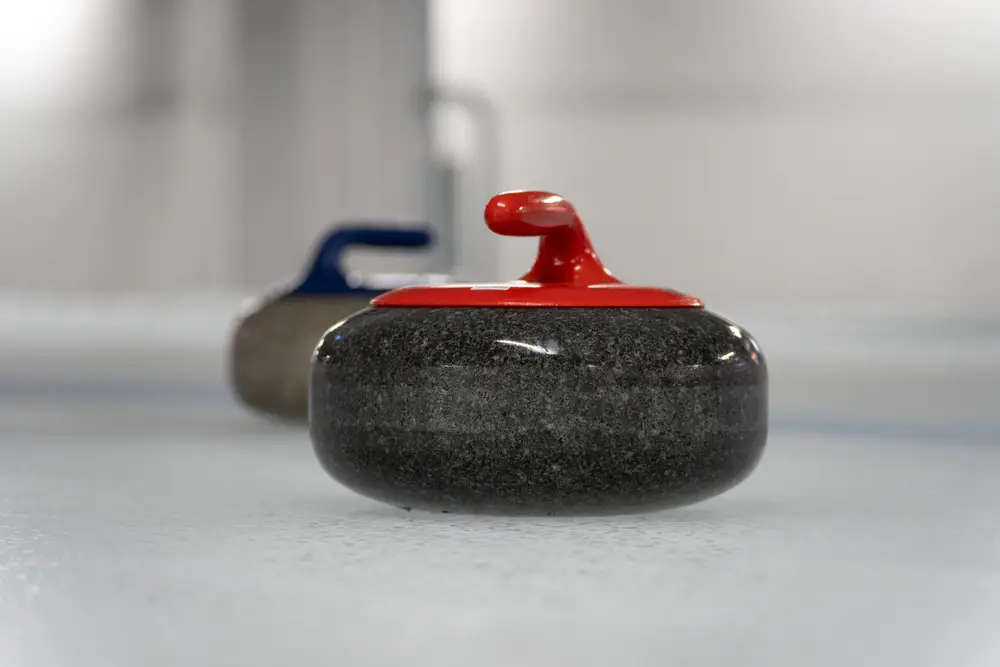
The primary equipment in curling includes the stones, the broom, and special curling shoes. Each stone weighs approximately 42 lbs and is made from granite. The ice surface must also be meticulously prepared to allow for an optimal game. Players use brooms to influence the stone’s path, helping to increase or decrease its speed and alter its trajectory.
Scoring System
Scoring occurs at the end of each end, where the team with the stone closest to the center of the house earns points. Only one team can score in an end, and the number of points is based on how many of their stones are closer to the center than the nearest opponent’s stone. The scoring can vary, with teams aiming to maximize their points over the course of the game.
Rules of Play
Some key rules include:
- Shot Execution: Players must release the stone before it crosses the hog line. A stone that fails to reach the far hog line is removed from play.
- Takeouts: Players can attempt to knock their opponent’s stones out of the house, but the action must be strategic and skillful.
- Variations: While traditional curling is played with two teams, variations like mixed doubles involve two-player teams, with additional changes in strategy and play.
Conclusion
The rules of curling may seem complex at first, but they create engaging dynamics that make the sport enjoyable to play and watch. A clear understanding of these regulations enhances the spectator experience and improves player performance. As the popularity of curling grows, particularly in the U.S., mastering its rules will not only provide insight into the game but also inspire a new generation of curlers.