Introduction
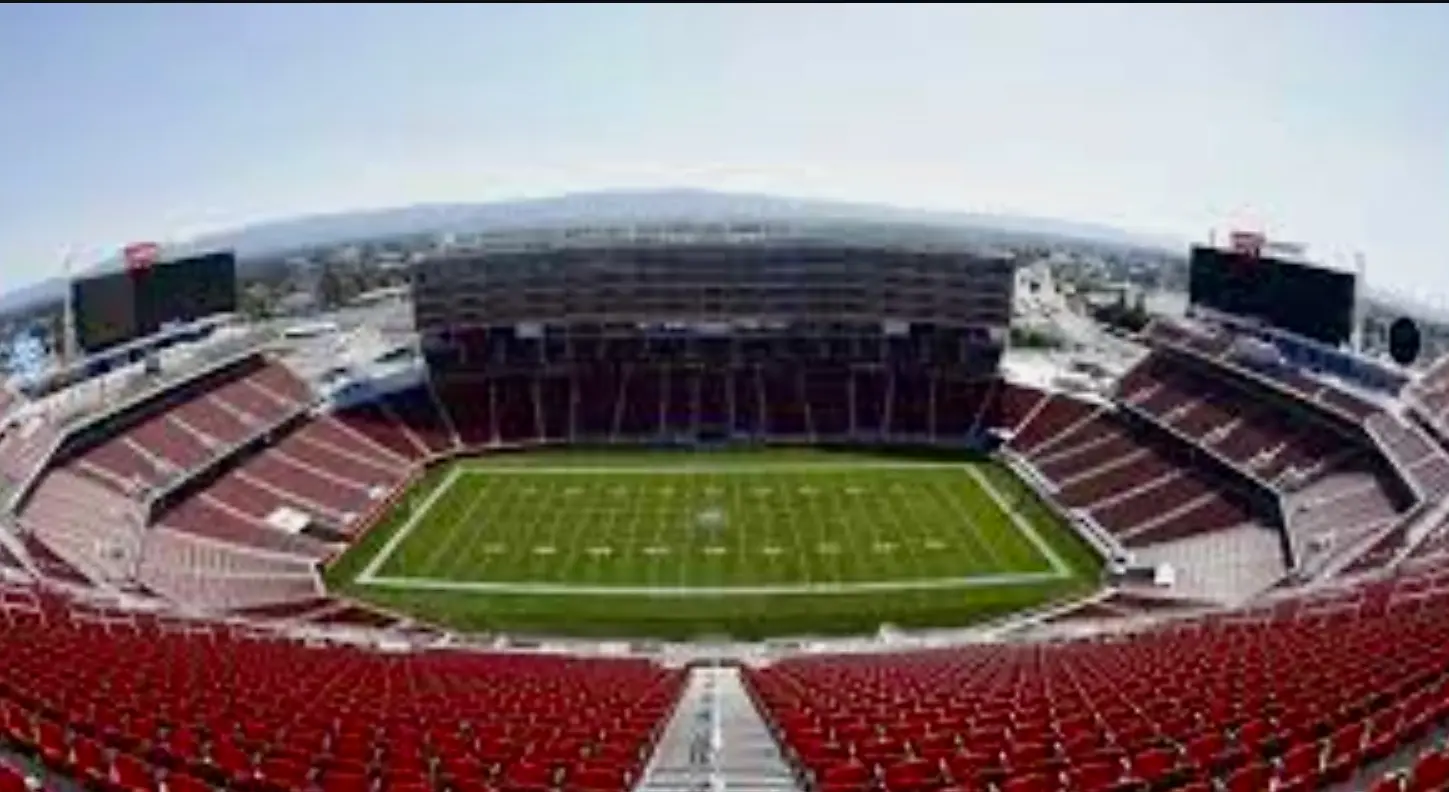
Santa Clara Stadium, officially known as Levi’s Stadium, plays a crucial role in the sports landscape of California. As the home of the NFL’s San Francisco 49ers and a premier venue for various events, its significance extends beyond mere sports, fostering community spirit and economic growth in the region.
Stadium Features and Events
Opened in 2014, Levi’s Stadium is equipped with cutting-edge technology and can accommodate approximately 68,500 fans, making it one of the most modern stadiums in the United States. It boasts features such as a 47-foot high ribbon board, hosting not just football games but also major concerts, college football games, and international soccer matches.
The stadium has gained recognition for hosting significant events, including Super Bowl 50 in 2016 and the College Football Playoff National Championship in 2019. The versatility of Levi’s Stadium allows it to serve as a multifunctional facility, hosting over 300 events annually, ranging from private gatherings to large-scale sporting events.
Recent Developments
In recent times, Santa Clara Stadium has been a focal point of economic discussions amid rising hotel occupancy and tourism in the area. Moreover, the stadium’s efforts towards sustainability have been noteworthy, aiming for LEED Platinum certification, which advocates for environmental responsibility in construction and operation.
Recent upgrades include enhancing the fan experience with mobile apps that provide real-time information and improving food services through local vendor integration, which supports community businesses.
Conclusion
Santa Clara Stadium stands as a vital part of the social and economic fabric of the Santa Clara region. Its blend of cutting-edge technology, environmentally friendly initiatives, and commitment to hosting a diverse array of events reflects the evolving landscape of sports and entertainment. As we look to the future, the stadium is expected to continue playing a pivotal role in not only enhancing local tourism but also in strengthening community ties through its inclusive events, thereby underscoring its importance within California’s cultural and economic framework.