Introduction
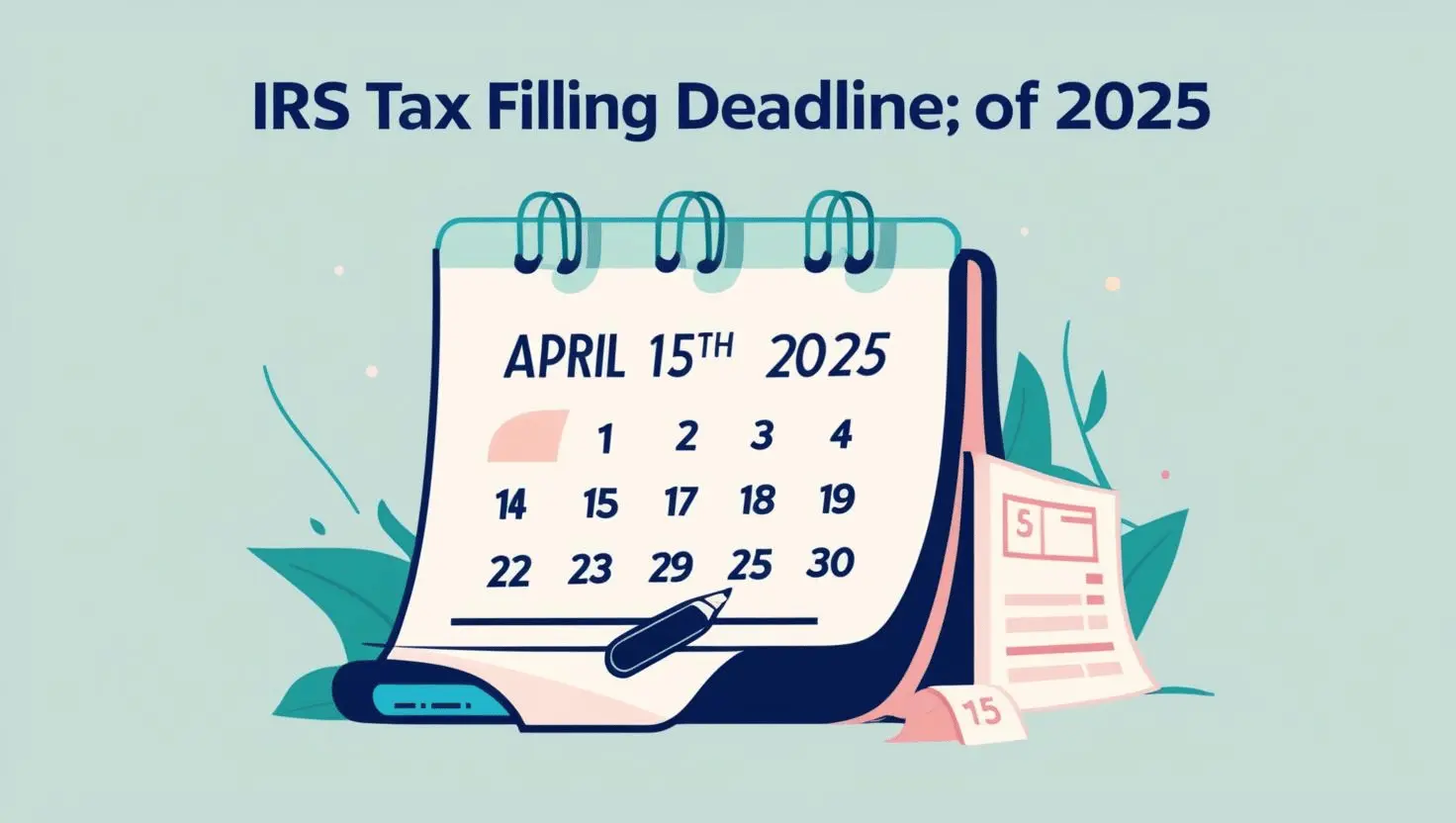
The tax filing deadline is an essential date for all taxpayers in the United States, as it marks the final day to submit individual income tax returns to the Internal Revenue Service (IRS). For the tax year 2023, the deadline is set for April 15, 2024. Understanding this deadline and its implications is crucial for avoiding penalties and ensuring compliance with tax laws.
Details on the Filing Deadline
Taxpayers must file their income tax returns by the April deadline unless they qualify for an extension. The IRS allows for an automatic six-month extension, pushing the due date to October 15 for those who file Form 4868. However, it is important to note that an extension to file does not extend the time to pay any taxes owed, which are still due by the original deadline.
Common Filing Methods
There are several methods taxpayers can use to file their taxes, including online e-filing, using tax preparation software, or by hiring a professional tax preparer. The IRS encourages e-filing as it not only expedites the processing of tax returns but also reduces errors. Notably, the IRS also provides a Free File program for eligible taxpayers, allowing them to file their federal tax returns at no cost.
Preparation Tips
In anticipation of the tax filing deadline, taxpayers should gather necessary documents early, such as W-2s, 1099s, and receipts for deductible expenses. Additionally, individuals should ensure that their personal information, such as Social Security numbers and bank details, are accurate to avoid delays in processing refunds.
Conclusion
As the 2023 tax filing deadline approaches, it is essential for taxpayers to stay informed and organized in their tax preparation. Missing the deadline can lead to penalties and interest on unpaid taxes. By understanding the filing process and preparing in advance, individuals can ensure they meet their obligations while maximizing their refunds or minimizing their tax liabilities. As tax laws often change, staying updated with IRS announcements is also advisable to ensure compliance.