The Importance of Thunder
Thunder is a natural phenomenon that occurs during thunderstorms, resulting from the rapid expansion of heated air caused by lightning strikes. Understanding thunder is crucial not only for weather forecasting but also for preparing communities for severe weather events. The sound of thunder serves as an auditory signal of nearby lightning activity, making it relevant for safety and awareness during storm seasons.
The Science Behind Thunder
Thunder is produced when lightning—a powerful electrical discharge—heats surrounding air to temperatures around 30,000 degrees Fahrenheit in less than a second. This sudden temperature increase causes a shockwave that manifests as sound. The intensity and duration of thunder can vary based on distance from the strike and atmospheric conditions.
Recent Events and Statistics
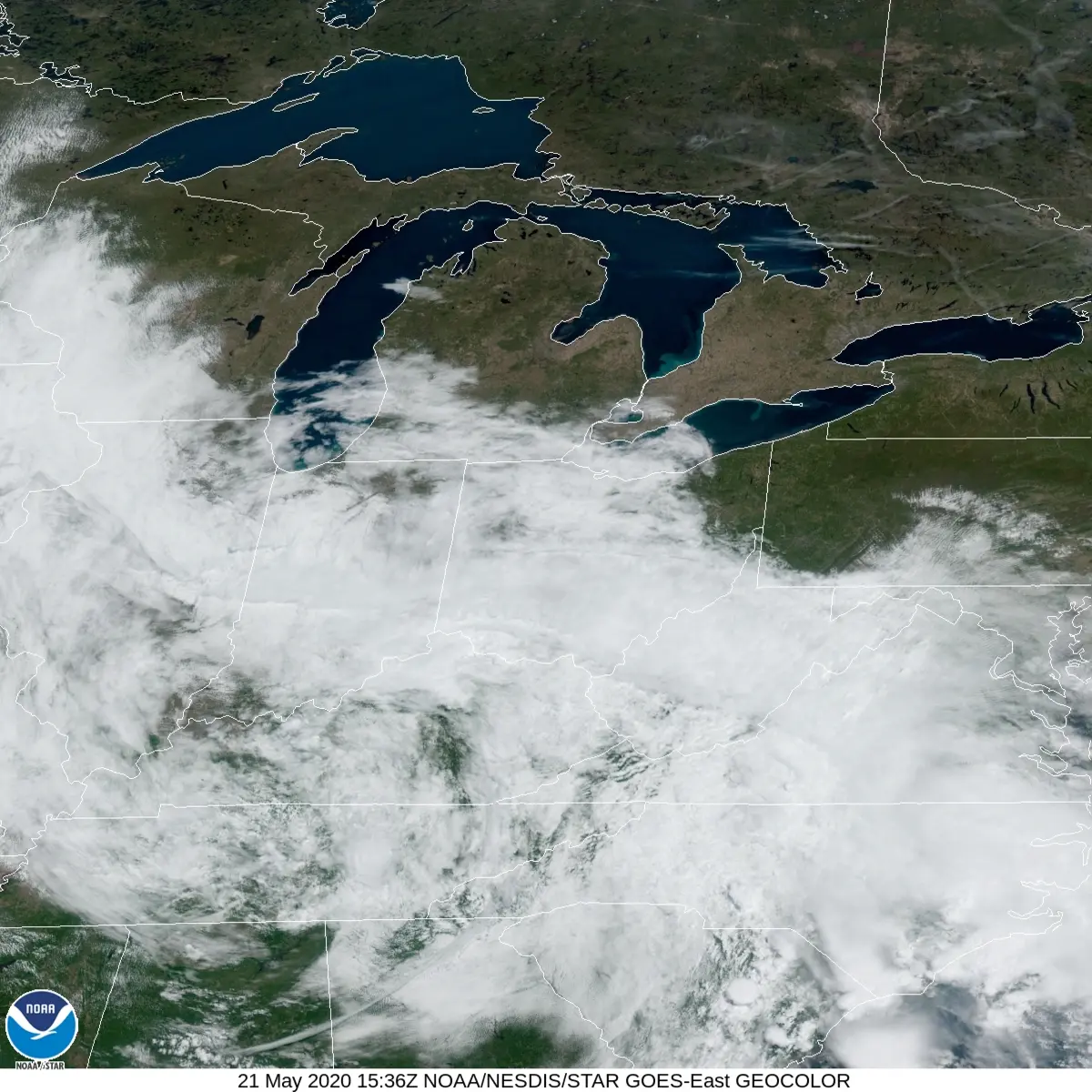
According to the National Weather Service (NWS), thunderstorms are most prevalent in the United States during the spring and summer months. In 2023 alone, there have been numerous reports of severe thunderstorms across the Midwest, resulting in significant property damage and power outages. The NWS estimated that thunderstorms are responsible for more than $1 billion in damages annually. Furthermore, they can produce hazardous conditions, including hail, tornadoes, and flash flooding, making understanding thunder and lightning even more critical for public safety.
Safety Measures
When thunder is heard, it is a warning that lightning is nearby. The NWS advises individuals to follow the ’30-30 Rule’—if you see lightning, start counting until you hear the thunder. If the time is less than 30 seconds, seek shelter immediately and stay indoors for at least 30 minutes after the last clap of thunder. Being aware of weather alerts and conditions can significantly increase safety during storm events.
Conclusion
Thunder, often dismissed as just noise, is a significant indicator of severe weather and should not be taken lightly. As climate change continues to influence weather patterns, the frequency and intensity of thunderstorms may also change. Therefore, understanding thunder and following safety guidelines can help individuals and communities better prepare for and respond to severe weather, potentially saving lives and reducing damages.