Introduction
Air quality is a critical environmental issue that directly impacts public health, ecosystems, and overall quality of life. Today, many urban areas across the country are experiencing detrimental air quality levels, raising questions about the underlying causes. Understanding why air quality fluctuates is vital for both individuals and communities to take necessary precautions and advocate for policies aimed at improvement.
Current Air Quality Issues
As of today, numerous cities are reporting air quality indices (AQI) that fall into the ‘unhealthy’ category due to a combination of factors. According to the Environmental Protection Agency (EPA), cities such as Los Angeles and New York have reported alarming levels of particulate matter and ozone. Key contributors to today’s poor air quality include:
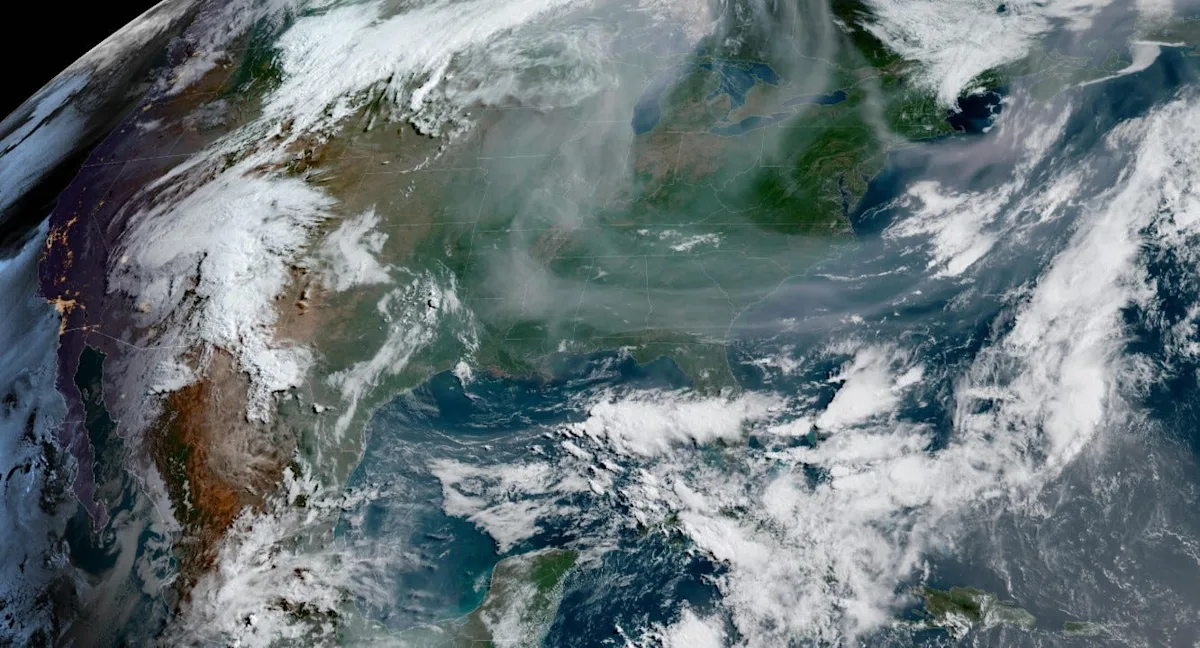
- Wildfires: During this season, many regions, especially in the West Coast, are battling wildfires, releasing significant amounts of smoke and particulate matter into the air.
- Temperature Inversions: Current meteorological conditions, such as temperature inversions, are trapping pollutants close to the ground, leading to the accumulation of smog in densely populated areas.
- Traffic Emissions: Increased vehicular traffic, typical for this time of year with back-to-school routines and ongoing labor day travels, exacerbates air pollution levels.
Health Implications
The ramifications of poor air quality extend beyond immediate discomfort. Studies indicate that exposure to polluted air can lead to severe health issues, including respiratory problems, cardiovascular diseases, and long-term impacts on lung function. Vulnerable populations, such as children and the elderly, are especially at risk. It is crucial for individuals to monitor air quality updates and minimize outdoor activities during poor air quality days.
Conclusion
In conclusion, today’s air quality can largely be attributed to wildfires, meteorological conditions, and traffic emissions. As climate change and urbanization continue to influence air quality patterns, it is essential for communities to remain informed and proactive. Local governments and health organizations are encouraged to provide resources and guidance on mitigating effects during high pollution days, making it imperative for citizens to stay updated on air quality alerts. By understanding and addressing the factors that contribute to poor air quality, we can work towards a cleaner, healthier environment for everyone.