Introduction
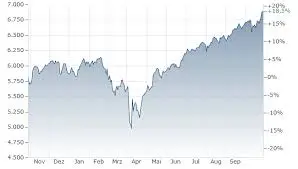
The stock market serves as a crucial indicator of economic health and investor sentiment. Observing fluctuations in stock prices helps economists and investors gauge the market’s current state. Recently, many investors have been left wondering: why is the stock market down today? Understanding the underlying factors can provide insights into both short-term volatility and long-term trends.
Current Events Influencing the Market
As of today, major indices such as the Dow Jones Industrial Average, NASDAQ, and S&P 500 have all reported declines. The decline can be attributed to several key events:
- Interest Rate Hikes: The Federal Reserve announced an unexpected interest rate hike, aimed at controlling inflation. Investors are concerned that higher borrowing costs could lead to decreased consumer spending, thus negatively impacting corporate profits.
- Economic Data Release: Recent economic data revealed slower-than-expected job growth and a dip in consumer confidence. This has rattled investors, sparking fears of a potential recession in the coming quarters.
- Geopolitical Tensions: Renewed geopolitical tensions, especially in Eastern Europe and Asia, have created uncertainty in the markets. Investors often react to these tensions with caution, leading to sell-offs.
Sector-Specific Impacts
While the overall market is down, specific sectors have been harder hit than others. Technology stocks, often seen as growth stocks, have taken a significant hit due to potential overvaluation and the impact of rising interest rates. On the other hand, energy stocks have shown resilience, benefiting from rising oil prices.
Conclusion
The drop in the stock market today can be attributed to a multitude of factors, including interest rate hikes, dismal economic indicators, and geopolitical uncertainties. For investors, it’s important to maintain perspective and remember that market fluctuations are a normal part of economic cycles. Analysts predict more volatility in the upcoming weeks, so investors should stay informed and possibly reassess their strategies based on evolving economic conditions.