Introduction
The Temporary Protected Status (TPS) program allows individuals from certain countries to temporarily live and work in the United States due to harmful conditions in their home countries. TPS Haiti is particularly significant as it affects thousands of Haitian migrants who are dealing with the aftermath of natural disasters, political turmoil, and economic instability. As the situation in Haiti continues to evolve, the relevance of TPS for Haitian nationals remains critical.
Current Status of TPS for Haiti
As of October 2023, the TPS designation for Haiti has been extended until at least January 2024. This extension comes amid ongoing humanitarian crises, including the devastating effects of the 2021 earthquake and the escalating violence and unrest that have plagued the country. U.S. Citizenship and Immigration Services (USCIS) reports that nearly 60,000 Haitians are currently beneficiaries of TPS, allowing them to live and work legally in the U.S. without the threat of deportation.
Challenges Faced by Haitian Nationals
Despite the protection offered by TPS, Haitian migrants face numerous challenges. The process of renewing TPS can be complex, and many individuals fear that future extensions may not be guaranteed. Additionally, concerns regarding the safety and stability of Haiti make the prospect of returning home daunting for many. The current political climate in Haiti, marked by gang violence and a lack of political leadership, further complicates the situation.
Community Impact and Responses
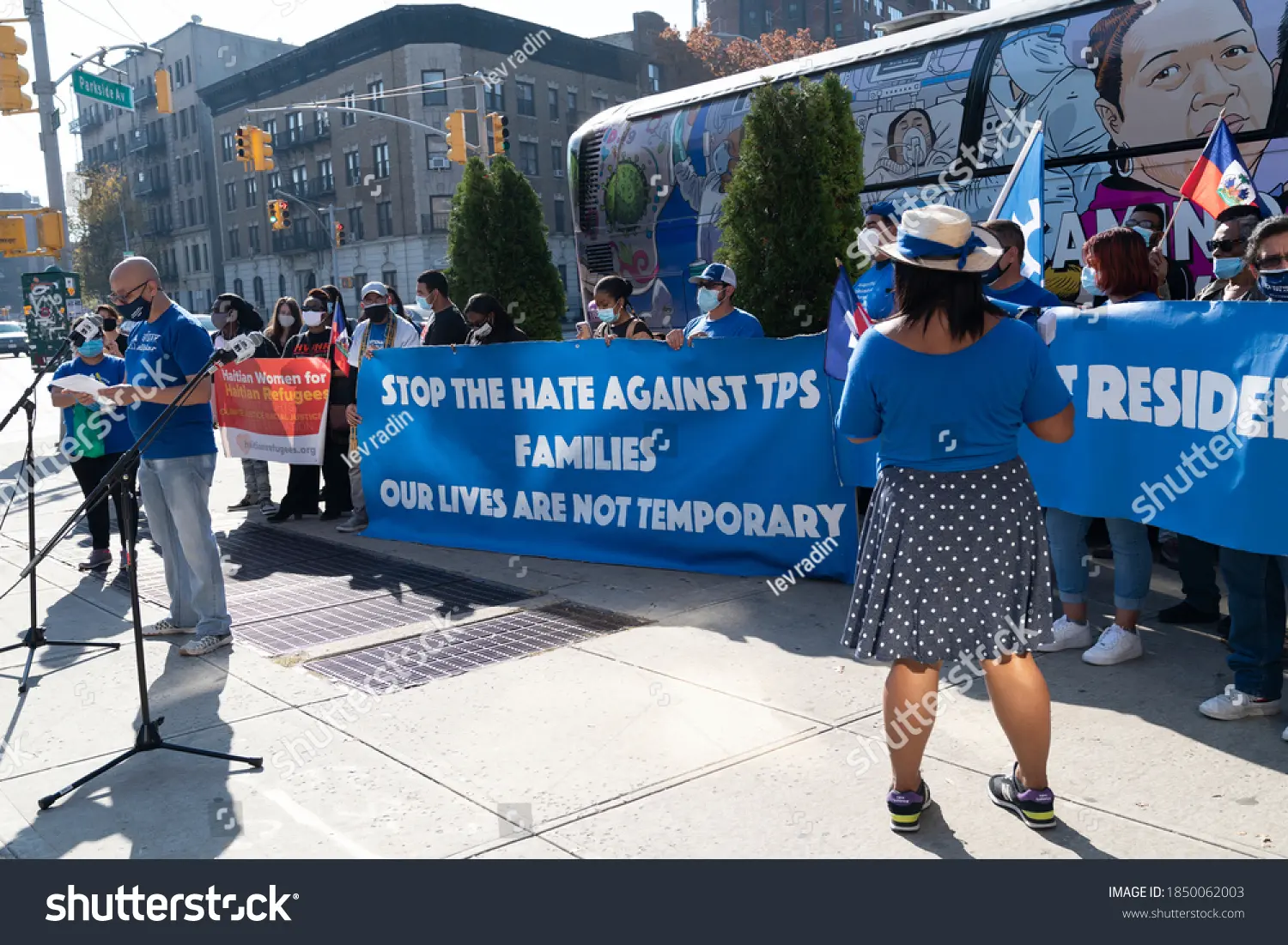
The Haitian community in the United States has mobilized to advocate for a more permanent solution for TPS beneficiaries, emphasizing the need for a pathway to citizenship. Organizations such as the Haitian Bridge Alliance are spearheading efforts to ensure that the voices of Haitian migrants are heard in discussions about immigration reform. Local communities are rallying around these causes, hosting events and campaigns to raise awareness and support for TPS holders.
Conclusion
The implications of TPS Haiti extend far beyond individual beneficiaries; they resonate throughout communities in the U.S. and Haiti alike. As Haitian migrants continue to navigate their uncertain status, the urgency for a coherent U.S. policy addressing their needs grows. The upcoming months may prove critical as advocates push for more substantial legislative measures, and as conditions evolve both in Haiti and in the U.S. The significance of TPS Haiti serves as a reminder of the ongoing challenges faced by vulnerable populations and the need for a humane approach to immigration policy.