Introduction
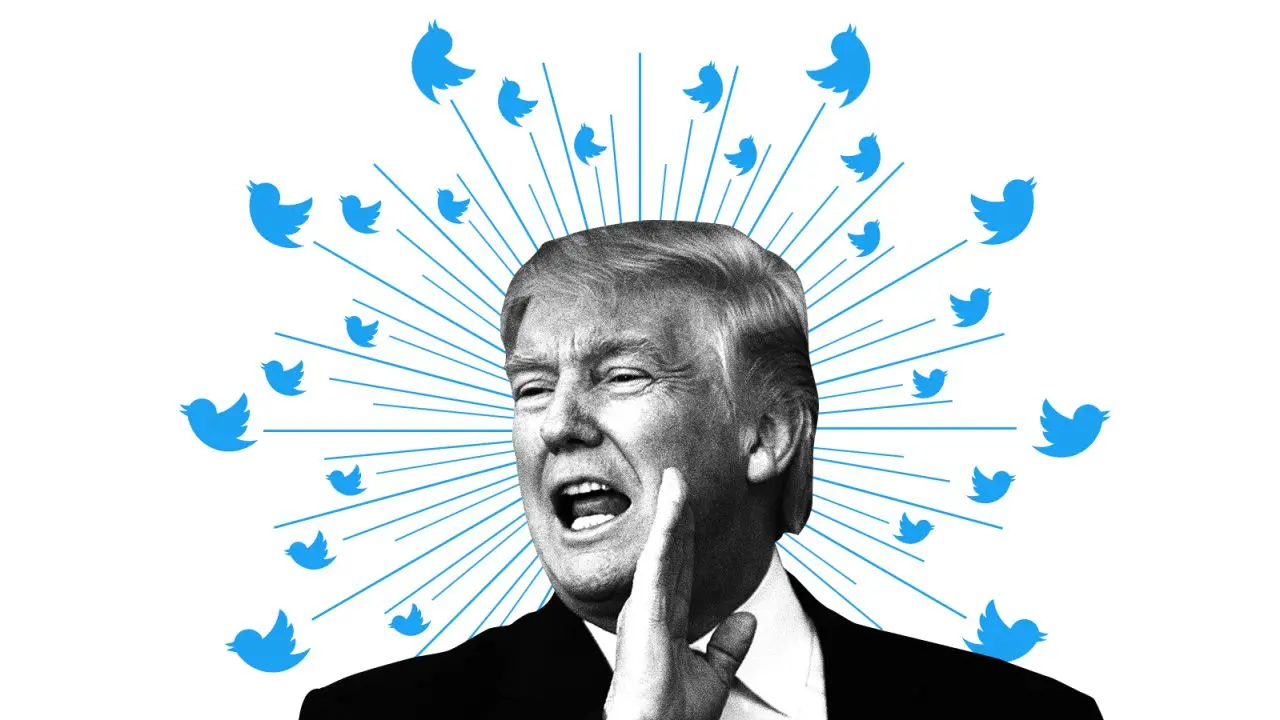
Twitter has been a central platform for Donald Trump, shaping public discourse and influencing politics during his presidency and beyond. As the landscape of social media continues to evolve, Trump’s Twitter activity remains a significant topic of discussion, drawing the attention of supporters and critics alike. The relevance of this issue stems from its implications for free speech, misinformation, and political communication in democratic societies.
The Rise of Trump’s Twitter Influence
Since joining Twitter in 2009, Trump utilized the platform to bypass traditional media channels and directly communicate with the public. His unique style and messaging resonated with a wide audience, leading to him amassing over 88 million followers before his account was permanently suspended in January 2021 following the Capitol riots. Tweets that were once deemed controversial now appear as a vital part of his political strategy, showcasing his views on various issues from immigration policy to foreign relations.
Restoration Efforts and Current Status
Recently, there has been widespread speculation regarding Trump’s potential return to Twitter as the platform has undergone a shift in management and policy. In late 2022, Elon Musk, the then-new CEO of Twitter, initiated a poll to decide whether to reinstate Trump’s account. The results indicated strong support for his return, raising the prospect of Trump’s influential voice re-emerging in the social media ecosystem. As of now, Trump’s presence on Twitter remains suspended, but there are ongoing discussions about future possibilities, particularly as he gears up for the 2024 Presidential Elections.
Impact on Political Landscape
Trump’s Twitter activity has profound implications for the political landscape. His ability to mobilize supporters and create viral moments has changed the way candidates engage with voters. Research suggests that Trump’s tweets often set the agenda in media coverage, influencing the narratives around key political events. The intersection of social media and politics raises crucial questions about the moderation policies of platforms, the spread of misinformation, and the responsibilities of digital communication in modern society.
Conclusion
As we progress towards the 2024 elections, the potential reinstatement of Trump’s Twitter account could play a pivotal role in shaping the political discourse. It is clear that Trump’s Twitter activity, regardless of its official status, will continue to be a significant factor in understanding social media’s impact on politics. As such, voters and observers alike must remain vigilant about the evolving dynamics between politicians and the platforms they utilize, highlighting the importance of accountability and informed civic engagement in the digital age.