Introduction to TXDOT Cameras
The Texas Department of Transportation (TXDOT) plays a crucial role in maintaining the safety and efficiency of the state’s roadways. Among the various technologies employed to achieve this goal, TXDOT cameras stand out as a vital tool for monitoring traffic conditions. These cameras provide real-time updates to both the department and drivers, making them essential for informed travel decisions.
Functionality and Deployment
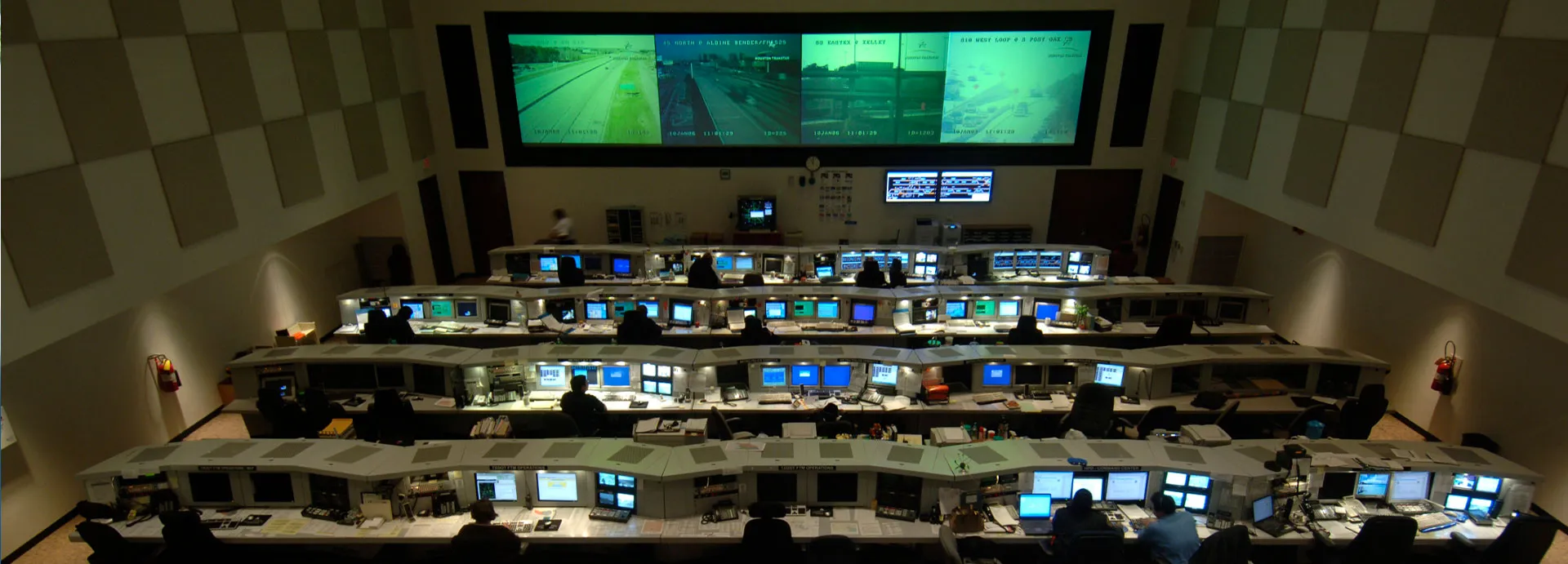
TXDOT cameras are strategically placed along highways and major roadways. They are equipped with high-resolution lenses capable of capturing detailed images of traffic flow, congestion, and accidents. Currently, TXDOT operates over 1,000 cameras statewide, which are actively monitored through various traffic management centers. This extensive network allows for 24/7 surveillance of key travel corridors.
In recent months, TXDOT has increased the deployment of these cameras in urban areas, responding to the growing need for effective traffic management in larger cities like Houston, Dallas, and Austin. The use of advanced technology enables rapid assessment of traffic situations, which can lead to quicker response times from law enforcement and emergency services.
Impact on Traffic Management
The real-time data provided by TXDOT cameras helps drivers make informed decisions on their routes. By accessing live feeds available on TXDOT’s website and mobile apps, users can check current traffic conditions, expected delays, and even weather-related hazards. This transparency is crucial for minimizing congestion and improving travel times.
Moreover, TXDOT has integrated camera feeds into its statewide traffic monitoring system, which pairs visual information with data analytics. This combination allows for the identification of recurring traffic patterns and potential accident hotspots, empowering TXDOT to implement proactive measures aimed at reducing road incidents.
Future Developments
Looking ahead, TXDOT is focused on enhancing the capabilities of its camera system. Plans are underway to incorporate artificial intelligence (AI) technology, which can analyze traffic patterns and predict congestion before it occurs. Additionally, this technology could potentially notify drivers in real time about incidents ahead, allowing them to reroute proactively.
Conclusion
The continued investment in TXDOT cameras reflects the commitment to improving road safety and efficiency across Texas. As technology advances, these tools will become even more integral to the overall transportation network. For readers and drivers in Texas, staying informed about these developments will yield safer and more efficient travel experiences on the state’s roadways.