The Role of USGS in Earthquake Monitoring
The United States Geological Survey (USGS) plays a critical role in monitoring and providing real-time data on earthquakes across the United States and around the globe. With the recent increase in seismic activity, understanding the implications of earthquakes has become vital for public safety and preparedness.
Recent Earthquake Activity
In recent months, the USGS has reported a significant uptick in earthquake occurrences particularly in regions like California, Alaska, and the Pacific Northwest. Notably, a magnitude 6.1 earthquake struck near the Northern California coast in October 2023, leading to concerns among residents about potential aftershocks. The USGS emphasized the importance of having an emergency kit and an evacuation plan ready for such instances.
The Importance of Earthquake Preparedness
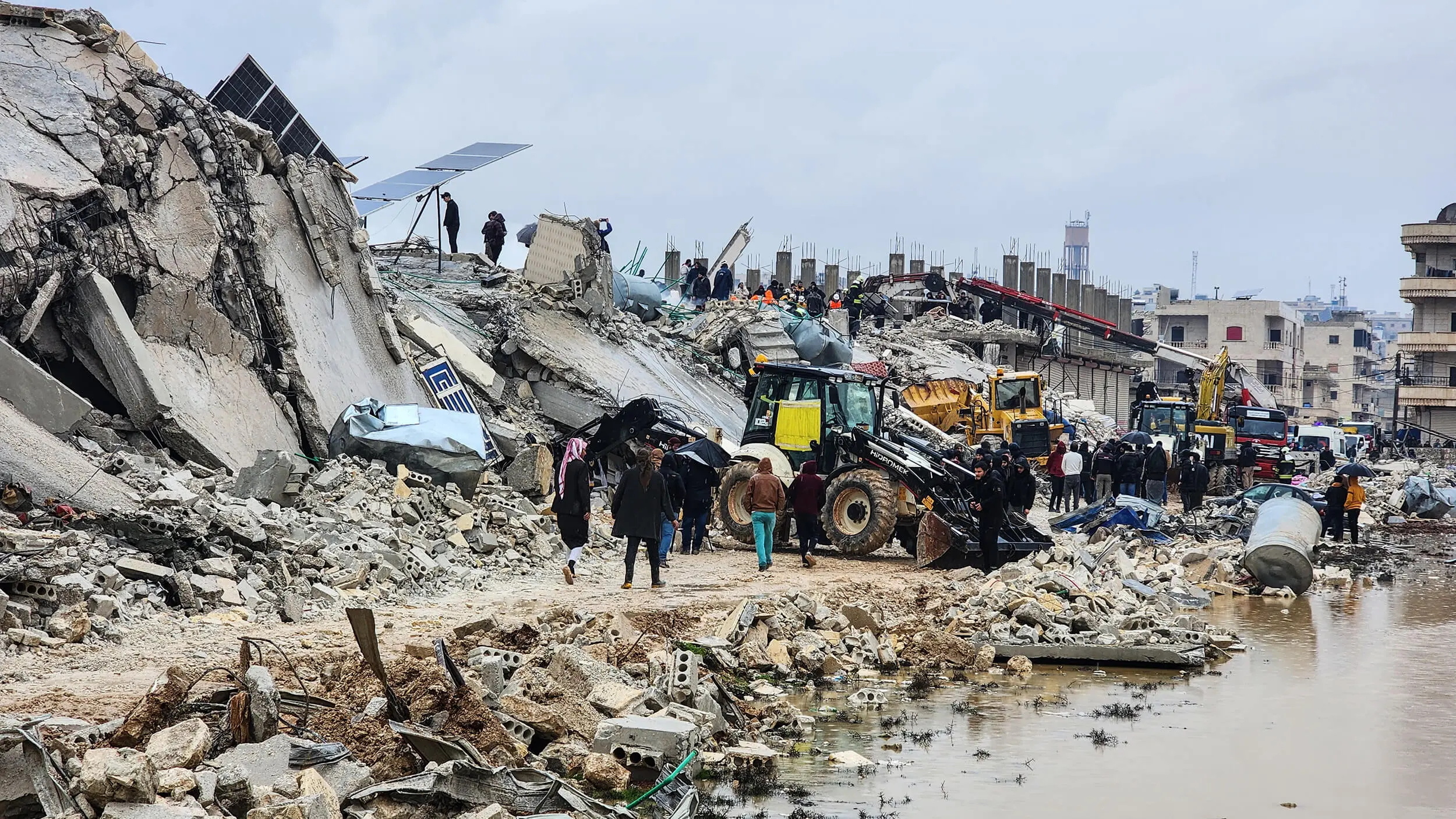
According to a 2022 study by the USGS, large earthquakes can lead to extensive infrastructural damage and loss of life, particularly in urban areas. In light of this, the USGS promotes public education on earthquake safety measures, including ‘Drop, Cover, and Hold On’ drills. Community workshops have become increasingly prevalent, and many school districts are integrating earthquake preparedness into their curriculum.
Technological Advancements in Earthquake Science
Technological advancements have allowed the USGS to improve its earthquake prediction models and data dissemination methods. The ShakeAlert system, for example, provides early warning by sending alerts seconds before the shaking from an earthquake reaches populated areas. This system has proven invaluable in reducing injuries and fatalities from seismic events.
Conclusion: The Future of Earthquake Monitoring
As the frequency of earthquakes continues to rise, the role of the USGS becomes increasingly significant for both immediate response and long-term preparedness. Continued investment in seismic science and technology is crucial as communities prepare for future quakes. For individuals and families, staying informed about USGS earthquakes and actively participating in preparedness efforts is essential. By doing so, they can help mitigate the impacts of natural disasters in their regions.