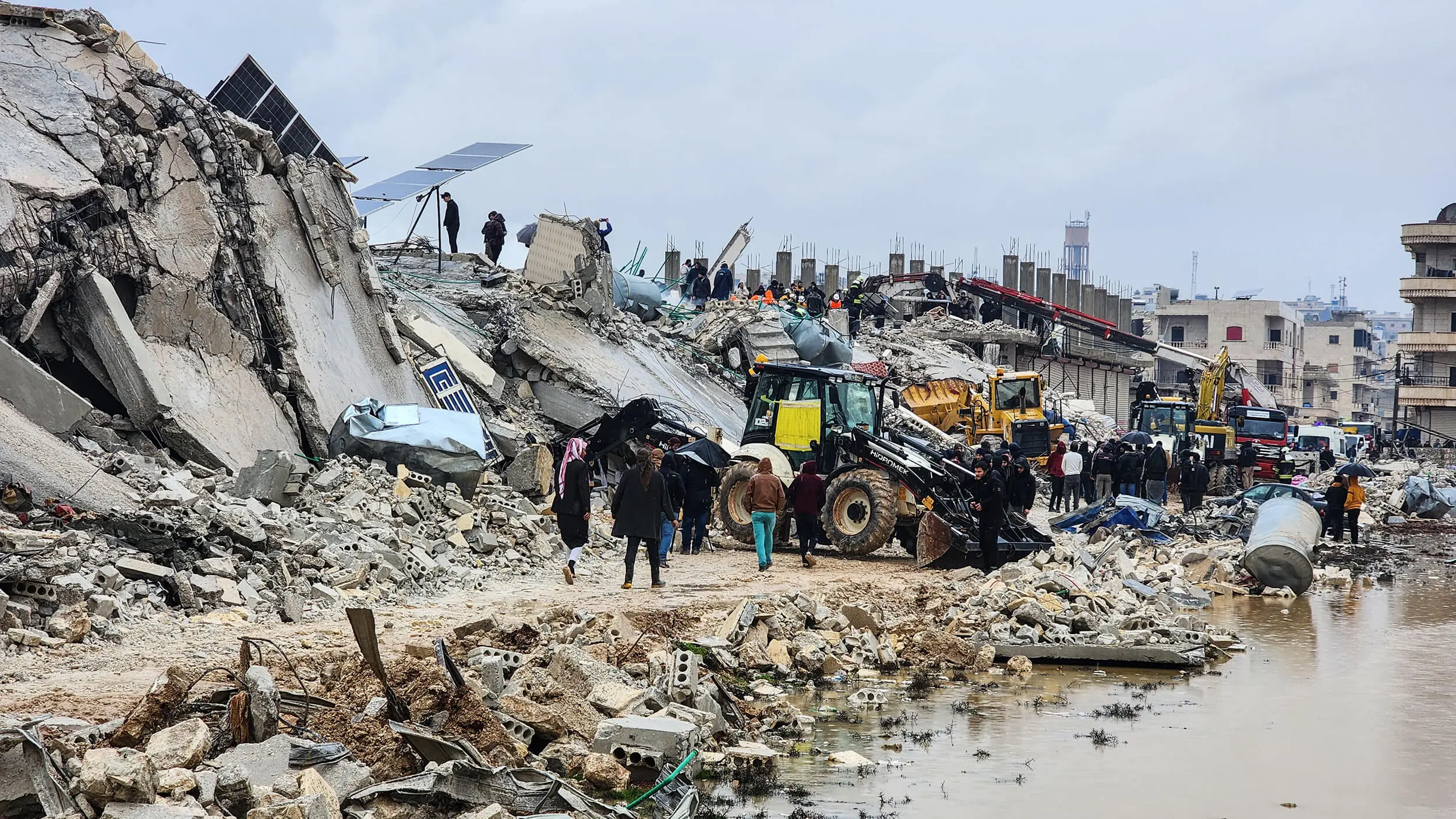
Introduction to USGS Earthquakes
Earthquakes are a significant natural phenomenon that can lead to devastating consequences, affecting communities, infrastructures, and ecosystems. The United States Geological Survey (USGS) plays a crucial role in monitoring seismic activity across the country. As recent events have demonstrated, understanding this vital information is more important than ever for preparedness and safety.
Recent Earthquake Activity
In the past month, the USGS has reported several notable earthquakes across the United States, including a magnitude 6.4 earthquake off the coast of California and a magnitude 5.7 event near Las Vegas, Nevada. These occurrences underscore the seismic risks present along the West Coast and other tectonically active regions. The USGS supplies real-time data via its Earthquake Hazards Program, allowing residents to receive timely alerts and preparedness guidance.
The Role of USGS
The USGS is the national authority on tracking and analyzing earthquake activity. They utilize a network of seismic monitors that provide detailed data, helping to inform emergency responders and the public. Moreover, the USGS contributes to global earthquake research and works in partnership with local governments to enhance building codes and increase public awareness about earthquake risks.
Preparedness and Community Response
As we experience a rise in recorded seismic activity, preparedness remains a key component of public safety. The USGS educates communities on earthquake readiness through various initiatives, such as the “ShakeOut” drill, which encourages individuals and organizations to practice their earthquake response strategies. The organization also provides resources detailing how to strengthen homes and buildings to withstand future seismic events.
Conclusion: The Importance of Monitoring Earthquakes
Understanding earthquakes and the data provided by the USGS is essential for minimizing risk and protecting lives. As climate change and urban development increase pressures on natural fault lines, the analysis and forecasting of seismic activity will only become more crucial. By staying informed and prepared, individuals can contribute to their safety and the resilience of their communities in the face of the next seismic challenge.