Introduction
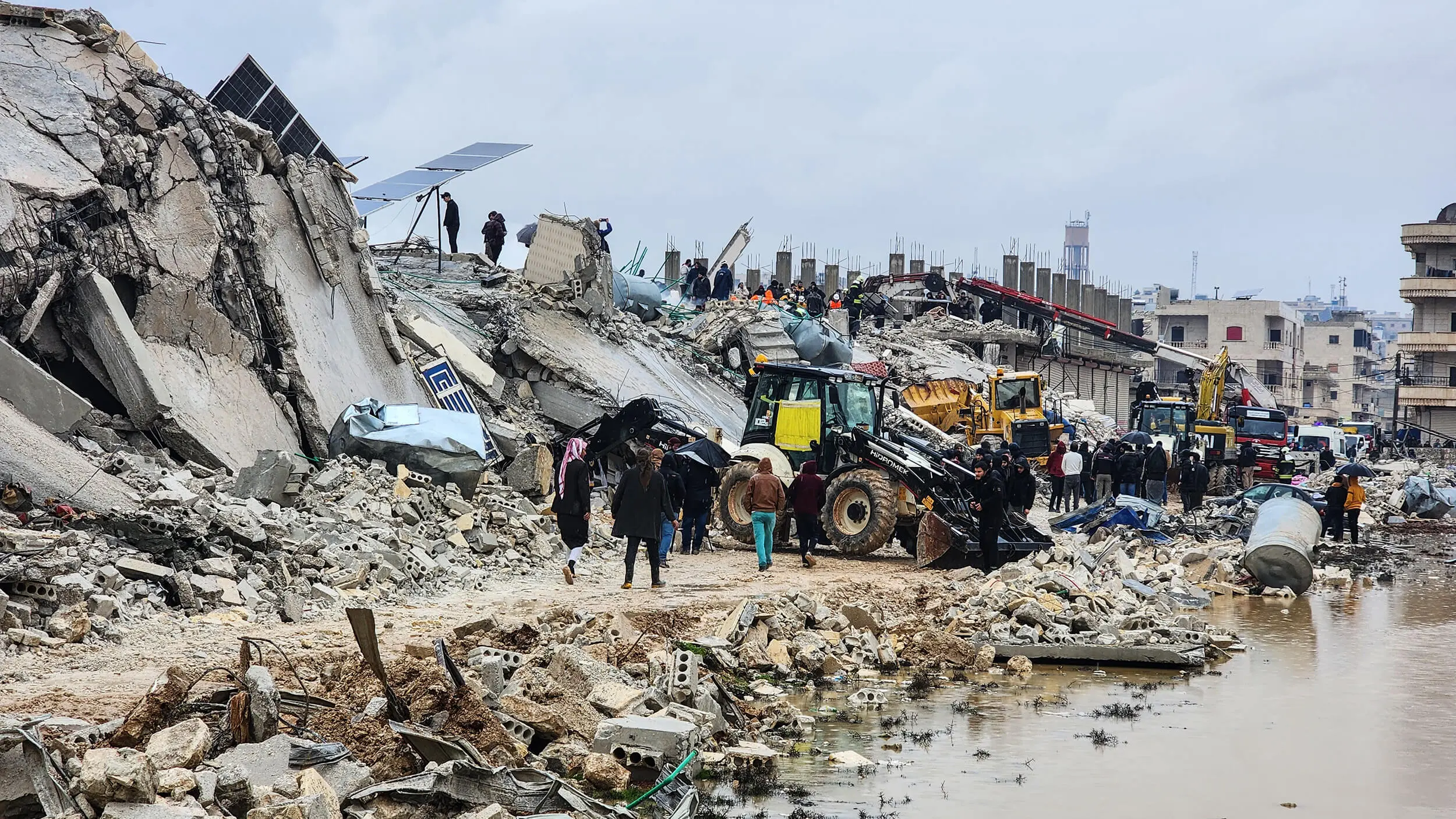
The United States Geological Survey (USGS) plays a crucial role in the monitoring and study of earthquakes, providing vital information that helps reduce risks and enhance preparedness in seismic zones. Understanding USGS earthquake data is essential for government agencies, businesses, and individuals in affected areas to remain informed and proactive in the face of potential seismic hazards.
USGS and Earthquake Monitoring
Founded in 1879, the USGS has established itself as a leading authority in the field of natural science, particularly in geology and applied earth science. The agency maintains a comprehensive network of seismic monitoring stations across the United States and globally, which collects data on earthquakes in real time. Currently, the USGS operates nearly 1,200 seismic stations nationwide, ensuring prompt detection of seismic events.
Recent data from the USGS indicates a rising trend in recorded seismic activities, prompting discussions on both natural and man-made causes. For instance, just last month, a significant earthquake of magnitude 6.5 struck off the coast of northern California. This event, categorized as a major earthquake, was monitored closely by the USGS, who provided timely updates and assessments within hours of the occurrence.
Recent Earthquake Events
In September 2023, multiple earthquakes were recorded in various regions, notably in California where seismic activity remains an ongoing concern. The USGS reported more than 500 quakes in the region within a single month, which is not uncommon but highlights the need for continued monitoring and research. Moreover, the agency has been emphasizing the importance of earthquake preparedness through initiatives designed to educate the public on safety measures and emergency response protocols.
Conclusion
The significance of USGS earthquakes research and monitoring cannot be overstated. As urbanization increases and populations grow in earthquake-prone areas, understanding and preparing for seismic risks become more critical. By utilizing the data provided by the USGS, communities can better organize emergency plans, thus potentially minimizing future losses and enhancing safety. Looking ahead, ongoing advancements in technology and data analytics are expected to further improve the accuracy and efficiency of earthquake monitoring, providing more robust solutions for communities at risk.