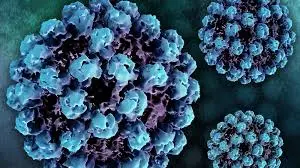
Introduction
Winter vomiting disease, commonly caused by the Norovirus, is a significant public health concern during the colder months. This highly contagious virus can lead to outbreaks in crowded environments such as schools, nursing homes, and cruise ships. Understanding the symptoms, transmission, and prevention strategies is essential for public health and safety during the winter season.
What is Winter Vomiting Disease?
Winter vomiting disease primarily results from Norovirus infection, which is notorious for causing gastroenteritis. Symptoms typically include sudden onset vomiting, diarrhea, stomach cramping, and occasionally fever and headache. The disease often spreads rapidly in closed settings, leading to significant outbreaks that can strain health resources.
Current Outbreak Trends
Reports from the Centers for Disease Control and Prevention (CDC) indicate an uptick in Norovirus cases coinciding with the winter months, with the peak season generally occurring between November and April. Surveillance data reveals that there have been several localized outbreaks reported in various states, particularly in schools and nursing facilities, highlighting the virus’s propensity to spread.
Preventing Winter Vomiting Disease
Public health officials emphasize the importance of preventive measures to curtail the spread of winter vomiting disease. Basic hygiene practices are key, including:
- Regular handwashing with soap and water, especially after using the restroom and before eating.
- Cleaning and disinfecting surfaces that may be contaminated, particularly in shared living spaces.
- Avoiding close contact with infected individuals and staying home from work or school if you exhibit symptoms.
- Cooking seafood thoroughly, as some norovirus cases can stem from consuming raw or undercooked shellfish.
Conclusion
Winter vomiting disease remains a significant health risk during the colder months, but its impact can be mitigated through diligent hygiene practices and public awareness. As we approach the peak season, communities are advised to stay informed about the symptoms and prevention strategies to protect themselves and others. Continued research and surveillance will be crucial in controlling outbreaks and ensuring that public health recommendations adapt to emerging trends in Norovirus infections.