The Importance of WMATA
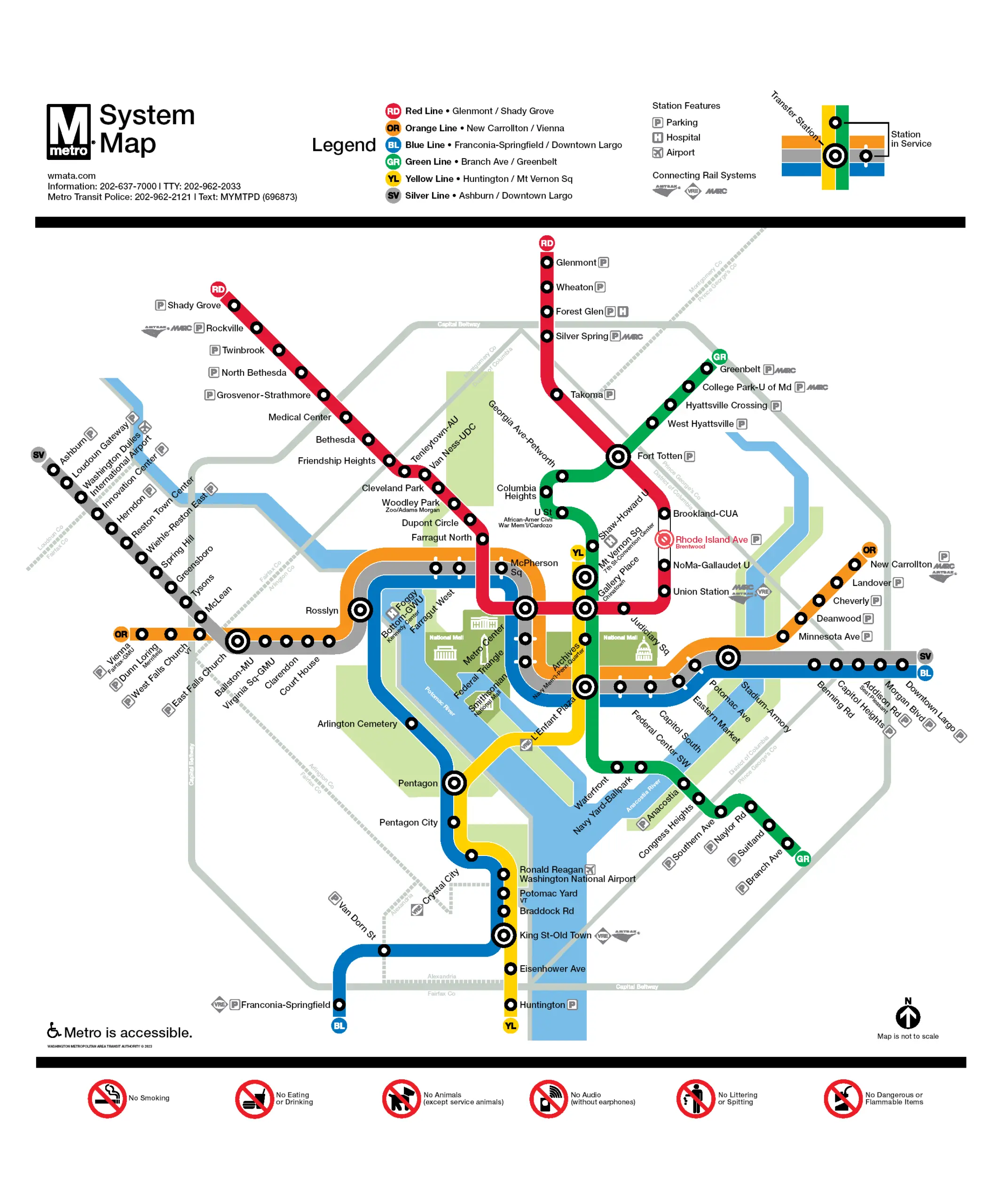
The Washington Metropolitan Area Transit Authority (WMATA) plays a crucial role in the public transportation landscape of the D.C. metropolitan area. With over 700,000 daily riders, WMATA operates Metrorail and Metrobus services, providing a vital connection for residents and visitors alike. As discussions about urban mobility and climate change intensify, understanding the workings and challenges of WMATA has never been more relevant.
Recent Developments and Challenges
In recent months, WMATA has faced various challenges, including budgetary constraints and safety concerns. Following a series of incidents, including derailments and safety violations, WMATA initiated a comprehensive review of its operational practices. In June 2023, the Federal Transit Administration (FTA) announced an audit focusing on safety protocols and maintenance standards. The findings are expected to guide improvements and help regain public trust.
Budget-wise, WMATA has been grappling with the losses incurred during the COVID-19 pandemic. Ridership saw a significant drop, leading to revenue shortfalls that have hampered planned upgrades and expansions. However, with the recent increase in ridership in the summer of 2023, WMATA has expressed optimism about stabilizing its finances. Local governments have proposed funding packages to support WMATA’s recovery efforts, highlighting the importance of public transit in economic recovery.
Future Directions and Initiatives
Looking forward, WMATA has set ambitious goals to enhance services, particularly in sustainability and accessibility. The agency is currently in the process of launching a new sustainability initiative aimed at reducing greenhouse gas emissions by transitioning to electric buses. Additionally, WMATA is exploring partnerships with rideshare companies to offer more comprehensive services that better meet the needs of commuters.
Moreover, the adoption of technology is at the forefront of WMATA’s future initiatives. The agency is investing in upgrading its digital infrastructure to provide real-time updates and improved mobile services, making public transit more user-friendly.
Conclusion
WMATA’s impact on public transportation in the Washington D.C. area cannot be overstated. As it navigates challenges and embraces new initiatives, the agency is poised to become more resilient, sustainable, and responsive to the needs of its riders. For the residents of the D.C. metropolitan area, continued investment and improvements in WMATA will be crucial for effective, efficient, and eco-friendly urban transportation.