Introduction
The Legacy of Kain series has forged a prominent place in the annals of video gaming, becoming a notable influence among action-adventure titles since its inception in the late 1990s. Developed by Silicon Knights and published by Eidos Interactive, the series is hailed not only for its compelling storylines and character development but also for its innovative gameplay mechanics. With themes exploring morality, destiny, and the nature of vampirism, the Legacy of Kain successfully resonates with audiences even today.
The Origins of the Series
The series kicked off with the release of “Blood Omen: Legacy of Kain” in 1996. This title introduced players to the character Kain, a nobleman turned vampire who embarks on a quest for revenge against those who wronged him. The shift from a top-down perspective to a more modern 3D format was solidified with the release of “Legacy of Kain: Soul Reaver” in 1999, which not only received critical acclaim but also elevated the series’ popularity. This title introduced Raziel, a tragic figure destined to confront Kain, bringing new dynamics to the storytelling.
Evolution Through the Series
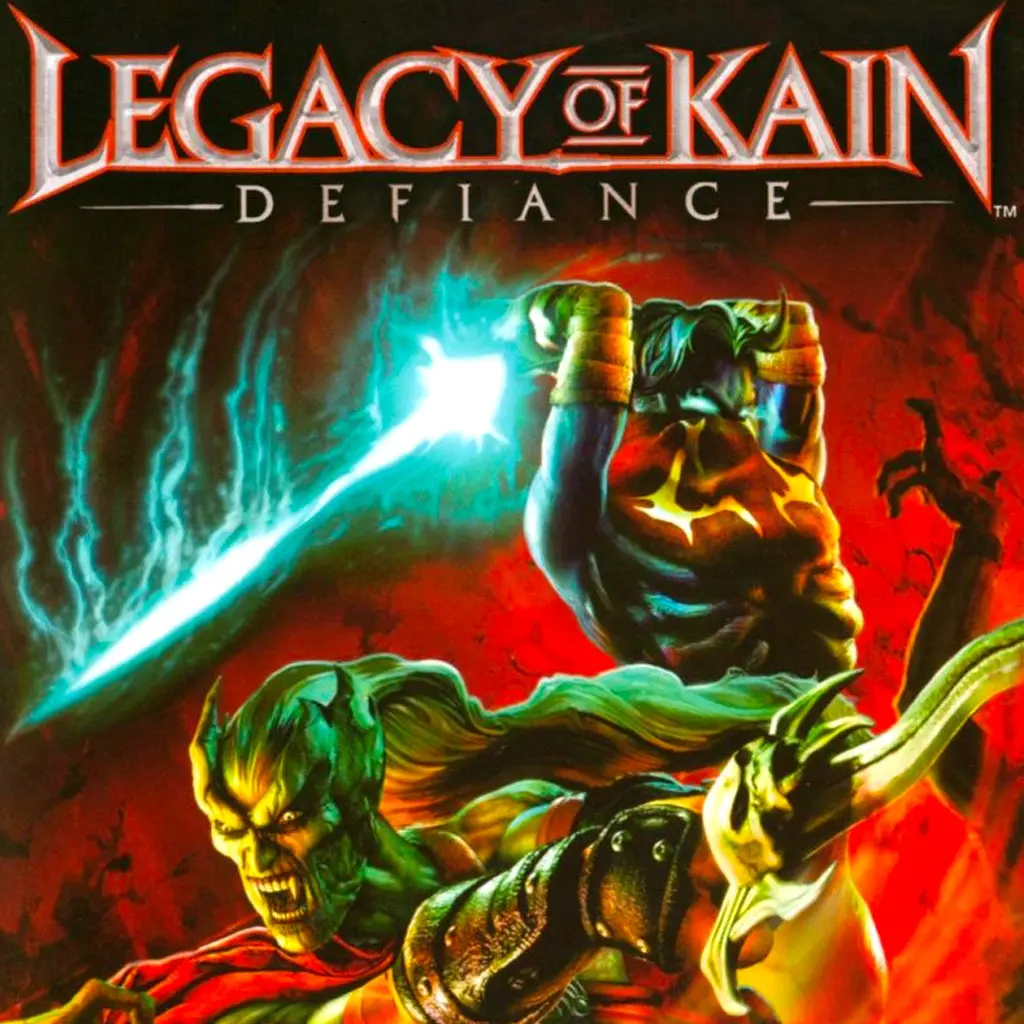
One notable aspect of the Legacy of Kain series is its evolution in both gameplay and narrative complexity. Each subsequent installment, including “Legacy of Kain: Defiance” (2003), built upon the foundations of earlier games while offering innovative combat systems and puzzle-solving mechanics. The dual protagonists, Kain and Raziel, helped enrich the overarching narrative, allowing players to choose perspectives and deeply engage with the storyline and its moral implications. Moreover, the unique setting of Nosgoth, filled with lore-rich environments and beautifully crafted levels, captured the imagination of gamers worldwide.
Legacy and Cultural Impact
Despite the release of the last title in 2003, the Legacy of Kain series continues to hold a firm place in gaming culture, viewed as a series that pushed the boundaries of storytelling within the medium. Fans have long called for a reboot or remaster of the series, recognizing its potential to attract new audiences while appealing to existing fans. Various game developers have cited Legacy of Kain’s narrative depth as a source of inspiration, influencing the development of subsequent action-adventure titles.
Conclusion
As the gaming industry continues to evolve, the Legacy of Kain stands out as a poignant reminder of the potential for video games to tell complex, performative narratives. While the future of the series remains uncertain, the passion of its fanbase and the series’ historical significance indicate that Kain’s legacy endures. Whether through remakes, spiritual successors, or continued discussions in gaming communities, the Legacy of Kain is sure to resonate for years to come just as it has for over two decades.