Introduction
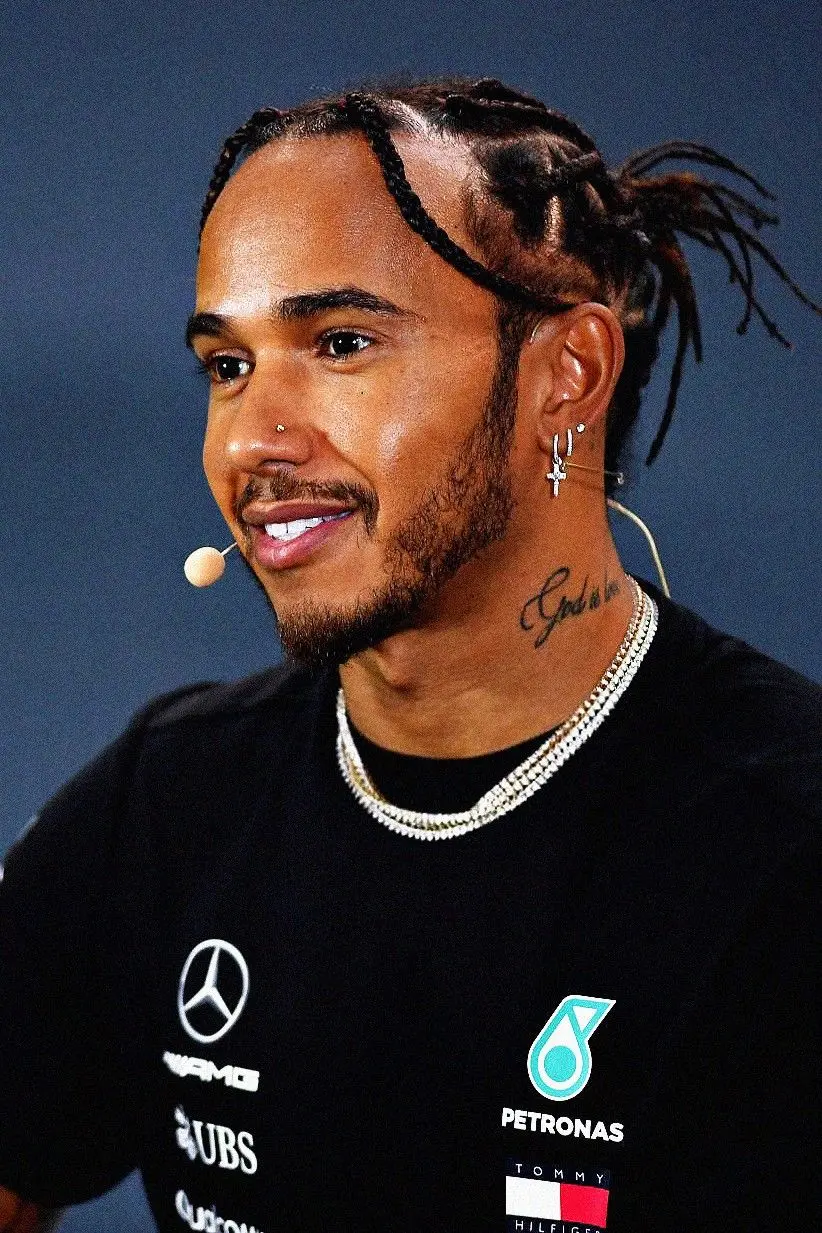
Lewis Hamilton has become a household name in the world of motorsport, revered for his extraordinary talent and remarkable achievements in Formula 1. With a career spanning over 15 years, Hamilton has not only pushed the limits of speed but also challenged societal norms, making him a symbol of diversity and perseverance. This article delves into the life, achievements, and significance of Lewis Hamilton in the realm of racing and beyond.
Early Life and Career
Born on January 7, 1985, in Stevenage, Hertfordshire, England, Lewis Carl Davidson Hamilton displayed an early interest in racing. His father, Anthony, worked multiple jobs to support Hamilton’s karting career, which began at the tender age of eight. By the time he was 13, Hamilton had already made a name for himself, winning several championships in British karting. His first significant professional opportunity arose when he was signed by McLaren’s Young Driver Program at just 13, completing the trajectory that would lead him to Formula 1.
Formula 1 Career
Hamilton made his grand debut in Formula 1 in 2007 with McLaren. Remarkably, he finished third in his first race, and by the end of the season, he had claimed four podiums, showcasing his natural driving aptitude. In 2008, he secured his first World Championship title, making him the youngest champion at that time. In 2013, Hamilton moved to Mercedes-AMG Petronas Formula One Team, where he has found tremendous success, winning six more championships (2014, 2015, 2017, 2018, 2019, and 2020), bringing his total to seven—all tied with Michael Schumacher for the most in history. His success in Formula 1 is not just measured in championships; as of 2023, he holds the record for the most pole positions and wins, solidifying his legacy in the sport.
Off the Track: Activism and Legacy
Beyond racing, Hamilton is known for his commitment to social justice and environmental issues. He has been an outspoken advocate for diversity within motorsport, launching the Hamilton Commission in 2020 to research and promote diversity in the motorsport workforce. His efforts have led to increased visibility for underrepresented groups in racing. Furthermore, he has used his platform to address climate change, collaborating with the IWC to promote sustainability in the sport.
Conclusion
Lewis Hamilton is not only a dominant figure in Formula 1; he represents perseverance, integrity, and activism in sports. His journey from a young boy with dreams to a seven-time world champion is a testament to hard work and resilience. As he continues to break barriers and advocate for important global causes, Hamilton’s legacy will undoubtedly influence future generations of drivers and fans alike, making him a pivotal figure not just in racing, but in the ongoing conversation about equity and environmental responsibility.