Introduction
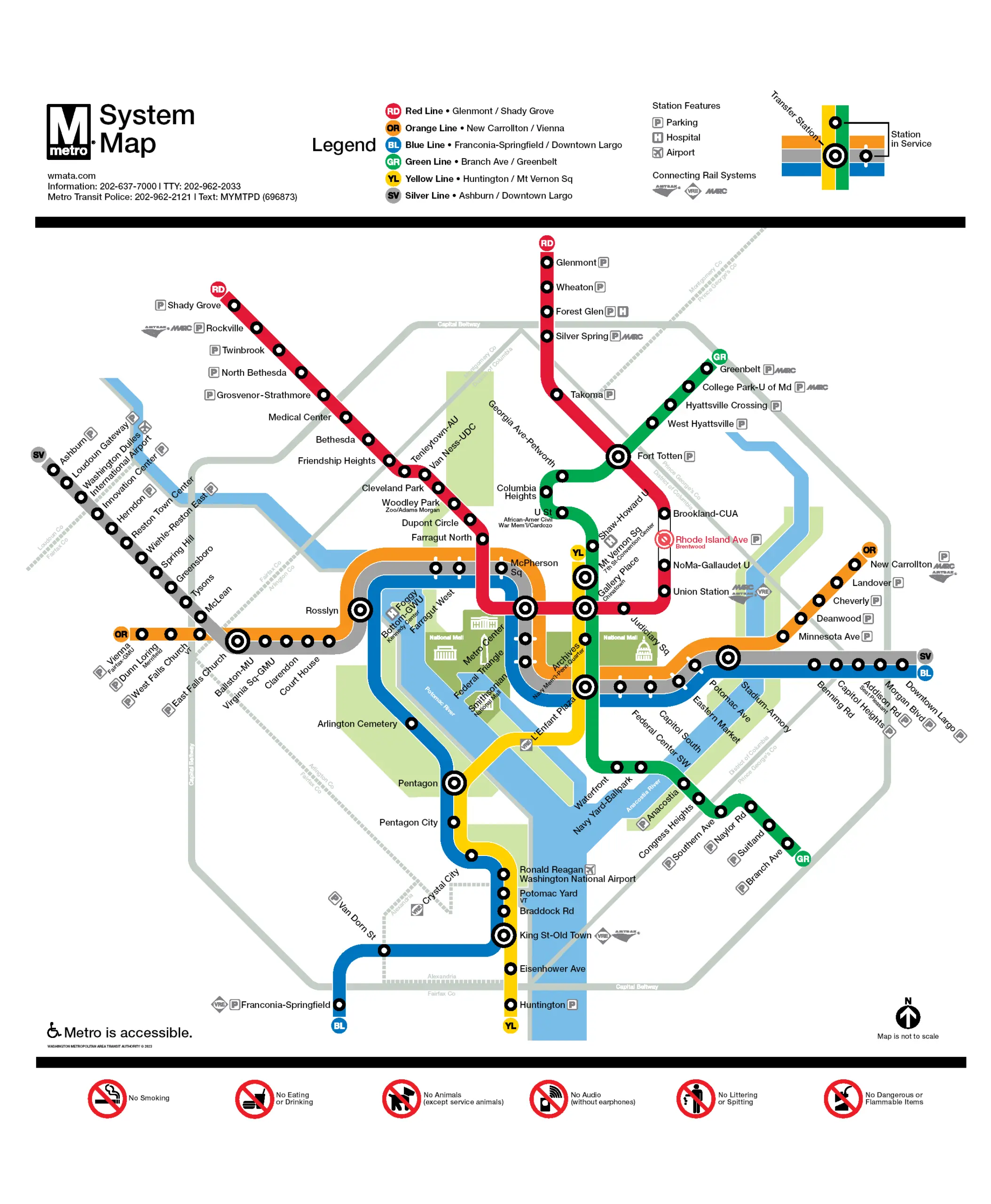
The Washington Metropolitan Area Transit Authority (WMATA) plays a critical role in the daily transportation of millions in the DC metropolitan area. As the backbone of public transit in Washington D.C., Maryland, and Virginia, WMATA’s operations are more important than ever, ensuring accessibility and reducing traffic congestion. Recent events highlight both significant challenges and advancements on the horizon for this essential service.
Recent Developments
In September 2023, WMATA announced the successful implementation of their new SafeTrack program, aimed at improving the overall reliability and safety of the Metrorail system. This program included extensive track repairs and upgrades, which had been a point of concern for many commuters due to ongoing safety issues. The initiative is expected to optimize service frequency and reduce delays significantly.
Moreover, WMATA is working towards becoming more environmentally sustainable. As part of their 10-year strategic plan, the authority has set goals to electrify more bus routes, aiming for a 50% electric bus fleet by 2030. This transition is not only a move towards cleaner energy but also a response to increasing public demand for environmentally friendly public transport options.
Challenges Ahead
Despite these positive developments, WMATA is grappling with several challenges. One of the most pressing issues remains the budget. In August 2023, WMATA reported a projected budget shortfall of $250 million, which poses a risk to ongoing and future projects. Without adequate funding from local governments and federal sources, the authority may struggle to maintain service levels and complete necessary infrastructure upgrades.
Furthermore, workforce issues have surfaced, particularly the recruitment and retention of staff. Many metro employees have raised concerns about long hours and insufficient pay, leading to a significant turnover rate. Addressing employee satisfaction is crucial for maintaining service consistency and reliability.
Looking Forward
Looking ahead, WMATA is poised to navigate these challenges through community engagement and innovative solutions. Officials are emphasizing the need for public involvement in the decision-making process, ensuring that the services offered are aligned with the needs of the community. Additionally, WMATA is set to enhance its digital services, including a revamped app that will provide real-time updates and improve the overall user experience for commuters.
Conclusion
In summary, WMATA stands at a pivotal moment, balancing progress with challenges that could impact the future of transit in the Washington area. Its initiatives to improve safety and sustainability are encouraging, but the financial and operational hurdles ahead must be addressed to ensure the continued effectiveness of public transportation. For the millions of residents and visitors who rely on WMATA, staying informed about these developments is essential.