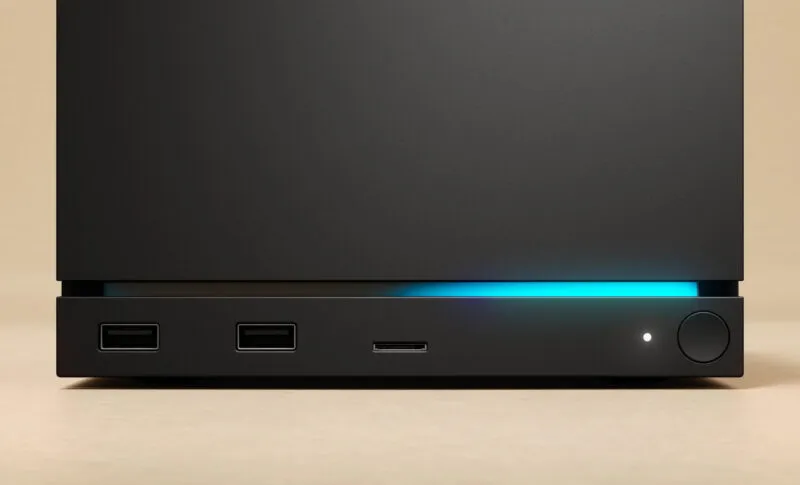
Introduction to the Valve Steam Machine
As the gaming landscape continues to evolve, Valve is gearing up to reintroduce its Steam Machine in early 2026. This new iteration aims to rectify the shortcomings of its predecessor, which was released in the mid-2010s. The original Steam Machines were hampered by inconsistent hardware, a fragmented ecosystem, and limited game support, leading to their eventual failure in the market.
Key Developments Leading to the Launch
On March 4, 2026, Valve announced that the new Steam Machine will be powered by a semi-custom AMD Zen 4 processor and an RDNA3-based GPU, targeting native 4K resolution at 60 frames per second. This marks a significant upgrade in performance capabilities, positioning the Steam Machine as a competitive option for gamers looking for high-quality graphics and smooth gameplay.
Technical Specifications and Features
The upcoming Steam Machine is designed to be compact, roughly the size of a small cube, making it suitable for living room setups. It will run on SteamOS 3 and support Proton, ensuring compatibility with a wide range of Windows games. Furthermore, games verified for the Steam Deck will also be verified for the Steam Machine, maintaining a target of 30 frames per second at 1080p. This focus on compatibility is crucial for attracting a broader audience.
Pricing and Market Positioning
Valve has explicitly stated that the Steam Machine will not be subsidized like traditional consoles; instead, it will be priced “like a PC with similar performance.” This approach aims to set realistic expectations for consumers regarding the investment required for high-performance gaming. However, details regarding the exact pricing and firm release date remain unconfirmed.
VR Integration and Future Prospects
In conjunction with the Steam Machine, Valve is also introducing the Steam Frame VR headset. While the Steam Frame will not have a verification process for games streamed from a PC, it will require VR games to maintain 90 frames per second for a Verified badge. This emphasis on performance in virtual reality gaming reflects Valve’s commitment to creating a cohesive, cross-device platform with the Steam Machine as a central hub.
Conclusion: Why This Matters
The reintroduction of the Valve Steam Machine is significant for both the company and gamers alike. By addressing the issues that plagued its original launch, Valve aims to establish a more reliable and versatile gaming system. The focus on high-performance hardware, compatibility with existing games, and a commitment to VR gaming could position the Steam Machine as a key player in the evolving gaming market.
Looking Ahead
As Valve prepares for the launch of the Steam Machine, the gaming community watches closely. The success of this new iteration could redefine how gamers interact with their consoles and PCs, potentially leading to a more integrated gaming experience. However, uncertainties regarding pricing and hardware performance compared to cutting-edge gaming PCs remain, leaving many questions unanswered as the launch date approaches.