Nicolás Maduro has led an authoritarian government since 2013, following Hugo Chávez’s presidency. His administration has faced significant criticism for its handling of the economy, human rights violations, and political repression. As of early 2026, the inflation rate in Venezuela remains at 60 percent, and the average income is reported to be only $270, while the basic basket of goods costs approximately $550 per month. This economic hardship has fueled widespread discontent among the population.
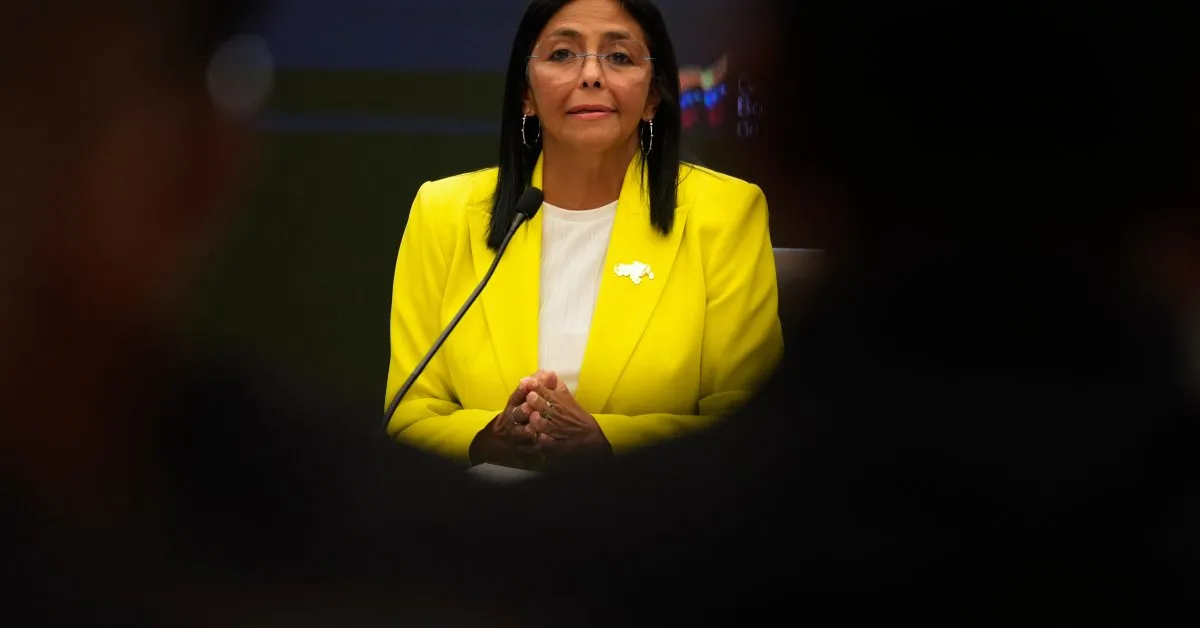
On January 3, 2026, a significant development occurred as Nicolás Maduro was removed from power. This marked a pivotal moment in Venezuela’s political landscape, leading to Delcy Rodríguez being recognized as the interim president. Rodríguez’s appointment has been met with cautious optimism from some sectors, while others remain skeptical about the potential for genuine reform.
In the wake of Maduro’s removal, the U.S. and Venezuela reestablished diplomatic and consular ties on March 5, 2026, signaling a potential thaw in relations that had been strained for years. This diplomatic shift could pave the way for further engagement between the two nations, although the long-term implications remain uncertain.
Additionally, an amnesty law was adopted on February 20, 2026, aimed at granting clemency to political prisoners. Between January 8 and March 8, 2026, at least 659 political prisoners were released, yet 759 individuals still remain deprived of their liberty for political reasons. The effectiveness of this amnesty law in promoting genuine reconciliation and accountability is still in question.
Reactions to the leadership change have varied. The International Fact-Finding Mission for Venezuela stated, “The structures that have sustained persecution for years have not been dismantled, nor have State policies been announced to begin that process.” This sentiment reflects a broader concern regarding the continuity of oppressive practices despite the change in leadership.
Human rights advocates, including Alex Neve, have expressed skepticism about the current authorities’ willingness to address past injustices, noting, “There are no signs that the current authorities intend to bring those individuals to justice.” María Eloisa Quintero emphasized the need for a thorough dismantling of the repressive apparatus, stating, “Venezuela cannot be said to truly be on the road to human rights reform unless and until that repressive apparatus is dismantled.”
As Venezuela navigates this transitional period, observers are closely monitoring the situation. The long-term impact of the leadership change on the political landscape remains unclear, and details remain unconfirmed regarding the future direction of the country’s governance and human rights policies.