What does Viktor Orbán’s recent engagement with Vladimir Putin signify for Hungary as it approaches a critical election? Orbán’s declaration, “I am at your service,” during a phone call with Putin on October 17, 2026, underscores his alignment with Russia, raising concerns about foreign influence in Hungary’s political landscape.
Orbán, who has been in power for 16 years, is facing a formidable challenge from Péter Magyar in the upcoming election. His government has been scrutinized for its ties to the Kremlin, particularly as Russian intelligence agencies are alleged to be attempting to sway the election in Orbán’s favor.
During the same call, Putin praised Hungary’s “independent and flexible” stance on the ongoing war against Ukraine, a sentiment that Orbán echoed by likening Hungary’s relationship with Russia to that of a “mouse” aiding a “lion.” This metaphor highlights the precarious nature of Hungary’s geopolitical position.
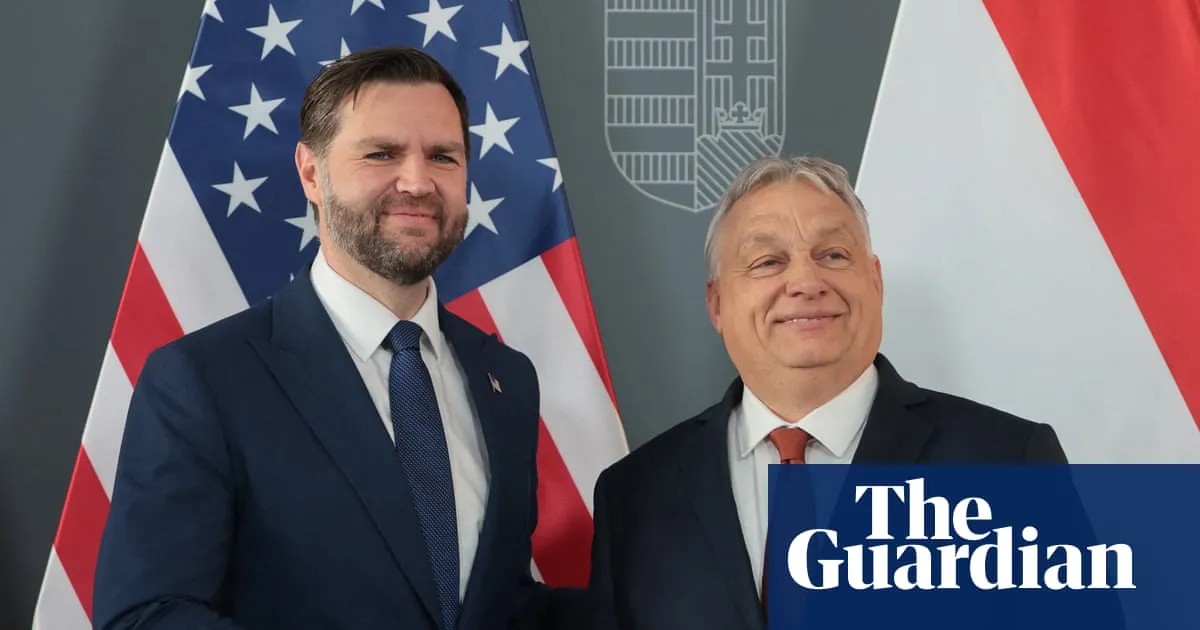
Support for Orbán has also come from notable figures such as Donald Trump, who referred to him as a “fantastic guy” and a “strong and powerful leader.” Trump’s endorsement, alongside JD Vance’s visit to Budapest to bolster Orbán’s re-election campaign, illustrates the international dimensions of Hungary’s political dynamics.
Orbán’s administration is navigating a complex backdrop of scandals related to its relationship with Moscow, which has drawn criticism from various quarters within the European Union. The election is being closely monitored across the EU, with many observers questioning the implications of Orbán’s continued leadership.
As Hungary’s population of approximately 9.5 million prepares to cast their votes, the outcome remains uncertain. Orbán’s campaign strategy appears to be focusing on contrasting Hungary’s strict immigration policies with those of its European neighbors, a move that resonates with certain voter segments.
While Orbán’s ties to Russia may bolster his standing among some supporters, they also raise alarms about the potential erosion of Hungary’s democratic processes. The upcoming election is not just a national affair; it is a litmus test for the EU’s stance on authoritarianism and foreign influence.
As the election date approaches, the political landscape in Hungary remains fluid, with many questions still unanswered regarding the extent of foreign influence and the potential outcomes of this pivotal electoral moment.