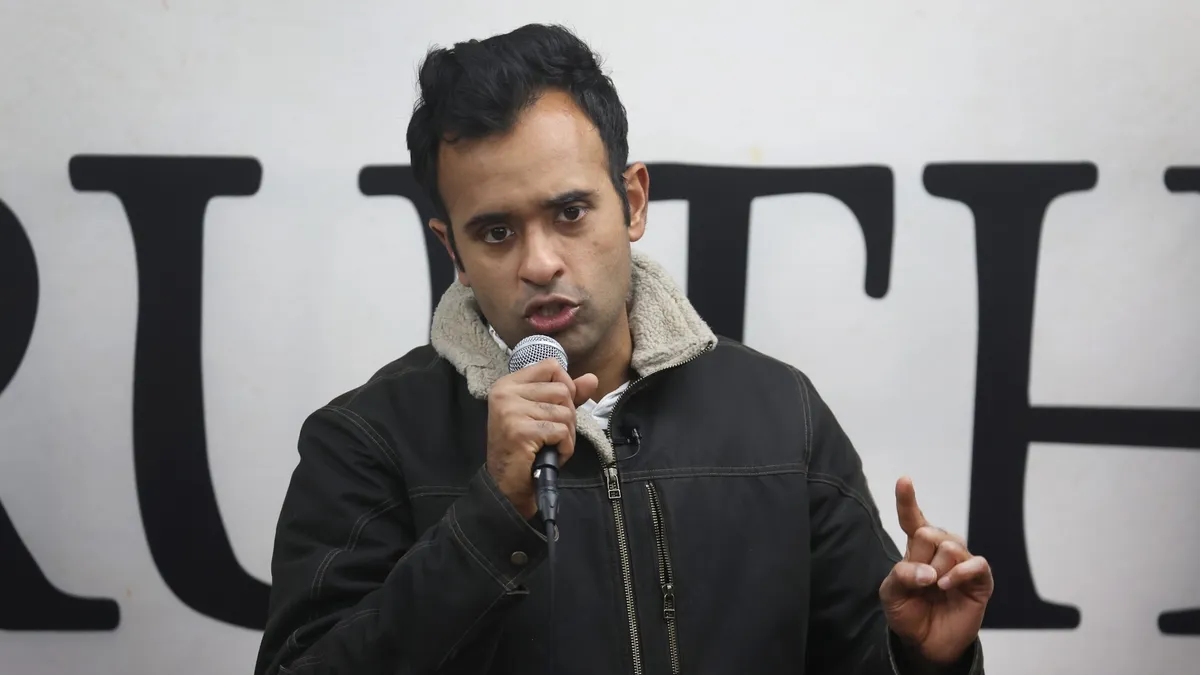
Vivek Ramaswamy won the Republican nomination for governor in Ohio on May 6, 2026. His campaign is marked by significant personal investment and a focus on COVID-19 controversies, setting the stage for a potentially historic election.
Ramaswamy raised $25 million from donors and contributed another $25 million of his own money to his campaign. He defeated Casey Putsch in the Republican primary. His running mate is Rob McColley. The campaign is expected to be the most expensive in Ohio’s history, with Ramaswamy reportedly having $30 million on hand.
Amy Acton won the Democratic nomination without opposition. She served as Ohio’s public health director during the COVID-19 pandemic. Acton’s running mate is David Pepper. Ramaswamy has faced accusations of playing politics with COVID-19 issues, which he has used to galvanize support.
Ramaswamy’s campaign capitalizes on lingering anger over COVID-19 restrictions. He has national name recognition and a personal fortune that he is utilizing for his political ambitions. In contrast, Acton emphasizes her commitment to public health.
The state has not elected a Democrat as governor in 20 years. Observers note that this election could change that trend, especially with the backdrop of ongoing debates about pandemic policies.
Ramaswamy stated, “I know the American Dream exists because I’ve lived it right here, in the state where I was born and raised.” This sentiment resonates with many voters who feel disillusioned by recent events.
As the campaign progresses, both candidates will need to address key issues surrounding health policy and economic recovery post-pandemic. The election outcome will likely hinge on voter sentiment regarding these critical topics.
Polls indicate that voter turnout will be crucial for both parties. The next ruling on campaign financing is expected soon, which may further influence the dynamics of the race.