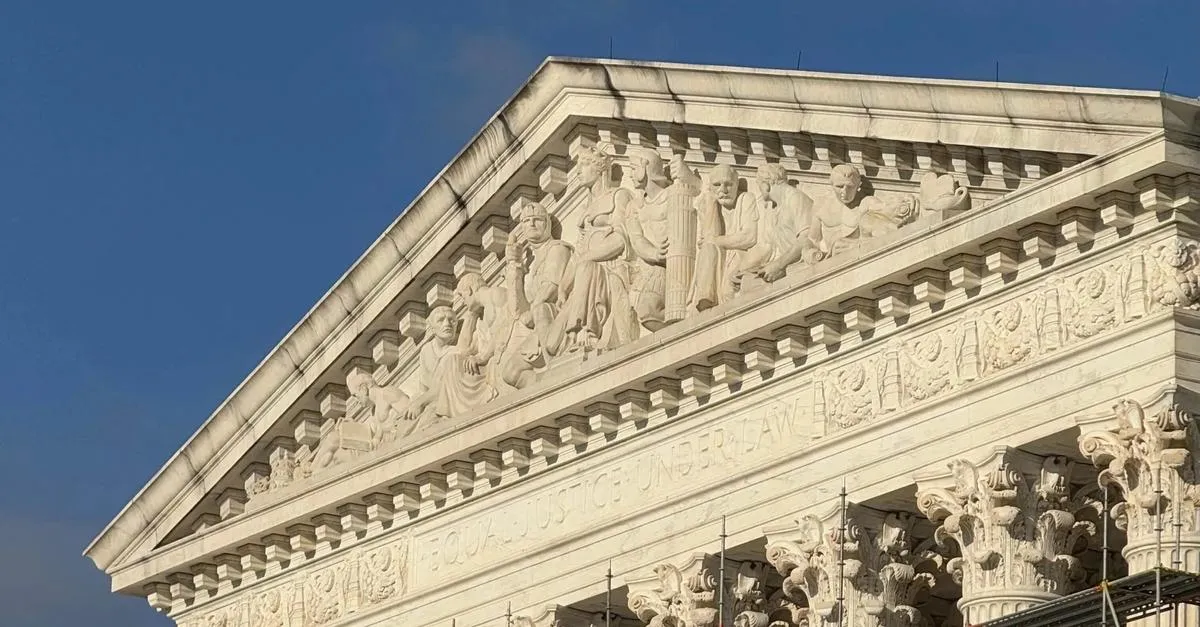
The U.S. Supreme Court’s ruling in Louisiana v. Callais significantly undermines the Voting Rights Act, allowing states to engage in discriminatory voting practices. The decision, issued on April 29, 2026, represents a major shift in the legal landscape surrounding voting rights.
Previously, the Voting Rights Act served as a federal safeguard against racial discrimination in elections for over six decades. It provided protections for minority voters and aimed to prevent states from implementing laws that could disenfranchise them.
However, the Supreme Court’s 6-3 decision weakened Section 2 of the Voting Rights Act. The ruling permits states to enact discriminatory voting maps and laws without significant federal oversight. It also struck down a congressional map in Louisiana that allowed Black voters to elect candidates of their choice.
The ruling creates new evidentiary hurdles for voters challenging racially discriminatory maps. The majority opinion emphasized that race and politics must be disentangled in redistricting cases—an approach critics argue could lead to increased gerrymandering and further marginalization of minority voters.
Experts warn that this decision could have dire consequences for Black voters in southern states. It might lead to the elimination of majority-minority districts, which have been vital for ensuring political representation for these communities.
According to Thomas A. Saenz from the Mexican American Legal Defense and Educational Fund, the Voting Rights Act has historically helped various minority groups achieve political representation. Yet, Chris Kieser from the Pacific Legal Foundation argues that majority-minority districts contradict democratic principles.
The Supreme Court’s decision is seen as a significant setback for protections against racial discrimination in voting. Congress may need to enact new protections against racial and partisan discrimination in redistricting to address these changes.
As it stands, no timeline has been shared regarding potential legislative responses from Congress or states adopting their own voting rights protections.