The Supreme Court’s ruling on April 29, 2026, significantly narrows the protections of the Voting Rights Act. The decision allows states to enact racially discriminatory electoral maps with minimal oversight.
The case, Louisiana v. Callais, centered on a Louisiana congressional map. The Supreme Court struck down this map in a 6-3 decision. Justice Samuel Alito wrote that the court was not striking down Section 2 of the Voting Rights Act, but was interpreting it to require proof of intentional discrimination.
Justice Elena Kagan dissented, stating that the ruling eviscerates the Voting Rights Act. She emphasized that the ruling effectively invalidates Section 2 as it has been understood for four decades. This ruling follows four years of litigation regarding Louisiana’s congressional map.
The decision allows states to draw district lines that could undercut the political power of minority voters. This could lead to a redistricting wave that helps Republicans flip majority-minority seats currently held by Democrats.
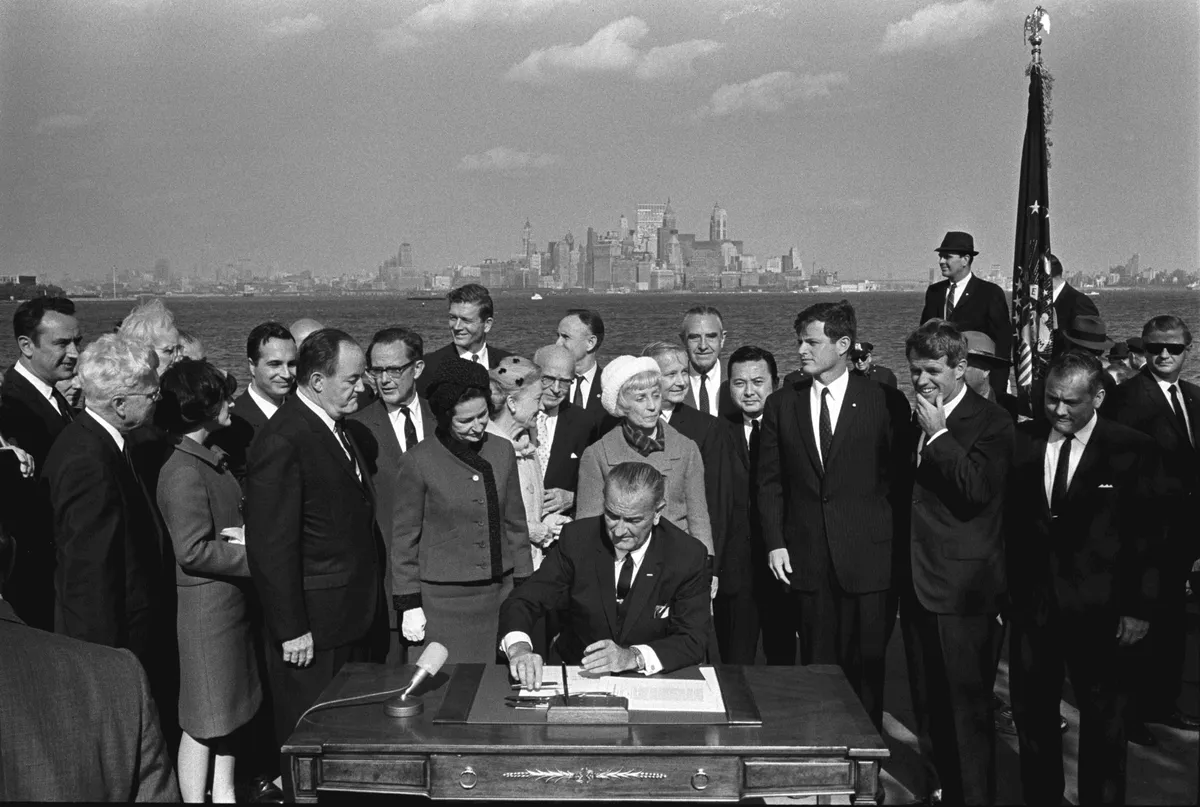
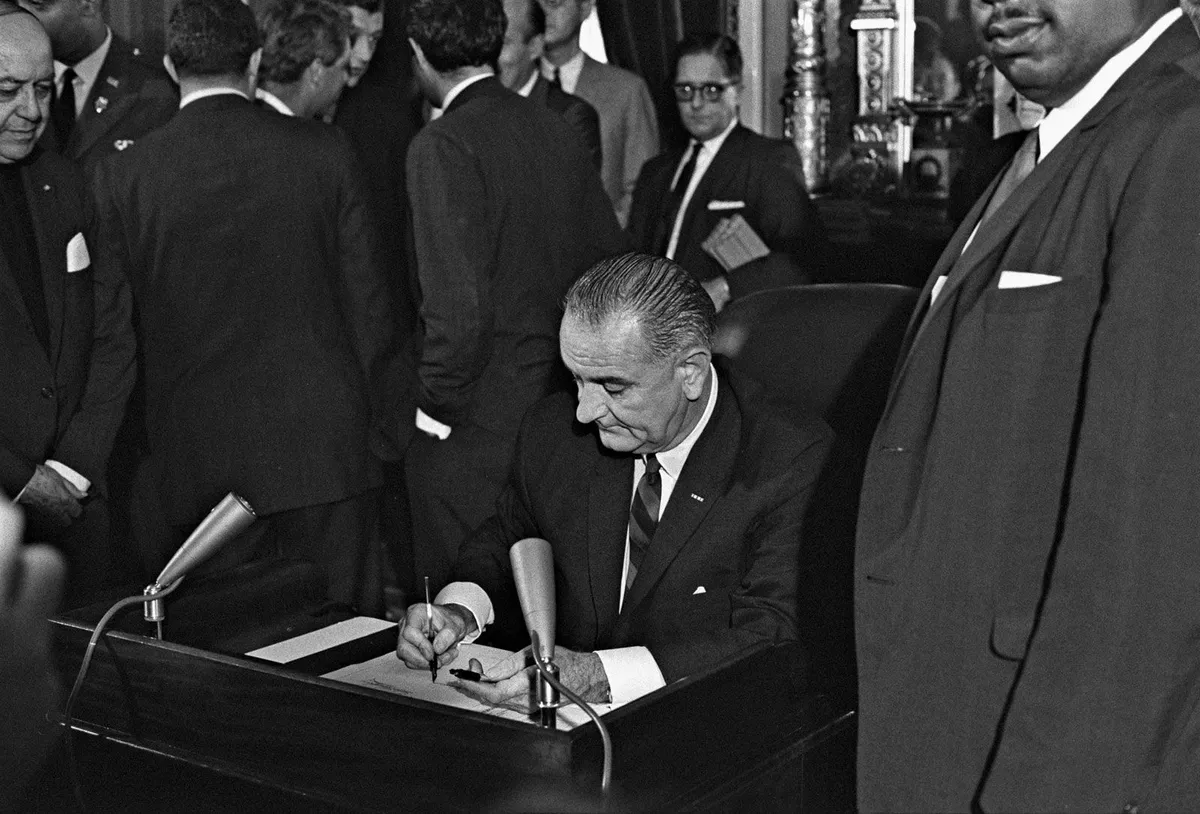
Historically, the Voting Rights Act was signed into law shortly after civil rights marchers were beaten in Selma, Alabama. Section 2 has long served as a primary protection against discriminatory voting systems. The ruling may dismantle minority districts currently held by Democrats.
Key facts about the ruling include:
- The Supreme Court’s decision follows its 2013 ruling in Shelby County v. Holder, which eliminated the VRA’s preclearance system.
- The proportion of Black voters in Louisiana is approximately one-third of the population.
- The new congressional map created only two majority-Black districts.
Derrick Johnson noted that “today’s decision is a devastating blow to what remains of the Voting Rights Act.” Legal experts believe this ruling represents a significant shift in American politics, with potential long-term consequences for electoral representation.