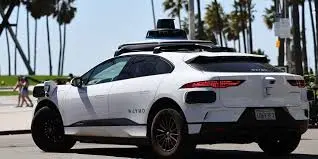
Introduction to Waymo
Waymo, a subsidiary of Alphabet Inc., is at the forefront of developing self-driving car technology, revolutionizing the way people think about transportation. As urban areas grow and traffic congestion increases, autonomous vehicles (AVs) promise to redefine mobility, offering safer, more efficient travel options. With the global push toward smart cities, Waymo’s advancements in AV technology are becoming increasingly relevant.
Recent Developments in Waymo’s Technology
In recent months, Waymo has made significant strides in its autonomous vehicle program. In September 2023, Waymo announced the expansion of its driverless ride-hailing services in Phoenix, Arizona, marking a pivotal moment in its operational capabilities. This expansion allows more riders to use Waymo’s self-driving cars without any human safety drivers on board. Reports indicate that the number of rides taken in these autonomous vehicles has surged, reflecting both consumer interest and growing confidence in the technology.
Furthermore, Waymo has been collaborating with major automotive manufacturers to integrate its autonomous technology into an array of vehicles. Its partnership with Stellantis, for example, aims to develop a line of mobility solutions based on Waymo’s self-driving platform. This collaboration signifies not only the versatility of Waymo’s technology but also its potential to adapt to various transportation needs.
Safety and Regulation Efforts
Safety remains a top priority for Waymo as it navigates the intricate landscape of AV regulations. In October 2023, the company published its safety report, outlining extensive testing protocols and on-road experiences to assure regulators and the public of the reliability of its autonomous systems. Waymo has accumulated millions of miles in autonomous driving data, contributing to its extensive knowledge base in safety measures and algorithms needed to navigate complex driving scenarios.
Regulatory bodies are increasingly focused on establishing guidelines for the deployment of AVs. Waymo has actively engaged with various government agencies to help shape these regulations, advocating for clear and uniform policies that can facilitate the safe and efficient integration of AVs into existing traffic networks.
Conclusion: The Future of Waymo and Autonomous Driving
As Waymo continues to innovate and expand its services, the implications for urban mobility are profound. The company’s commitment to safety, alongside successful partnerships and technological advancements, positions it as a leader in the journey toward fully autonomous vehicles. Looking forward, it is expected that Waymo will play a key role in shaping the future of transportation, potentially reducing traffic congestion and increasing convenience for commuters. For readers, understanding Waymo’s progress is essential as it foreshadows a shift in how we will navigate our cities in the coming years.