Introduction
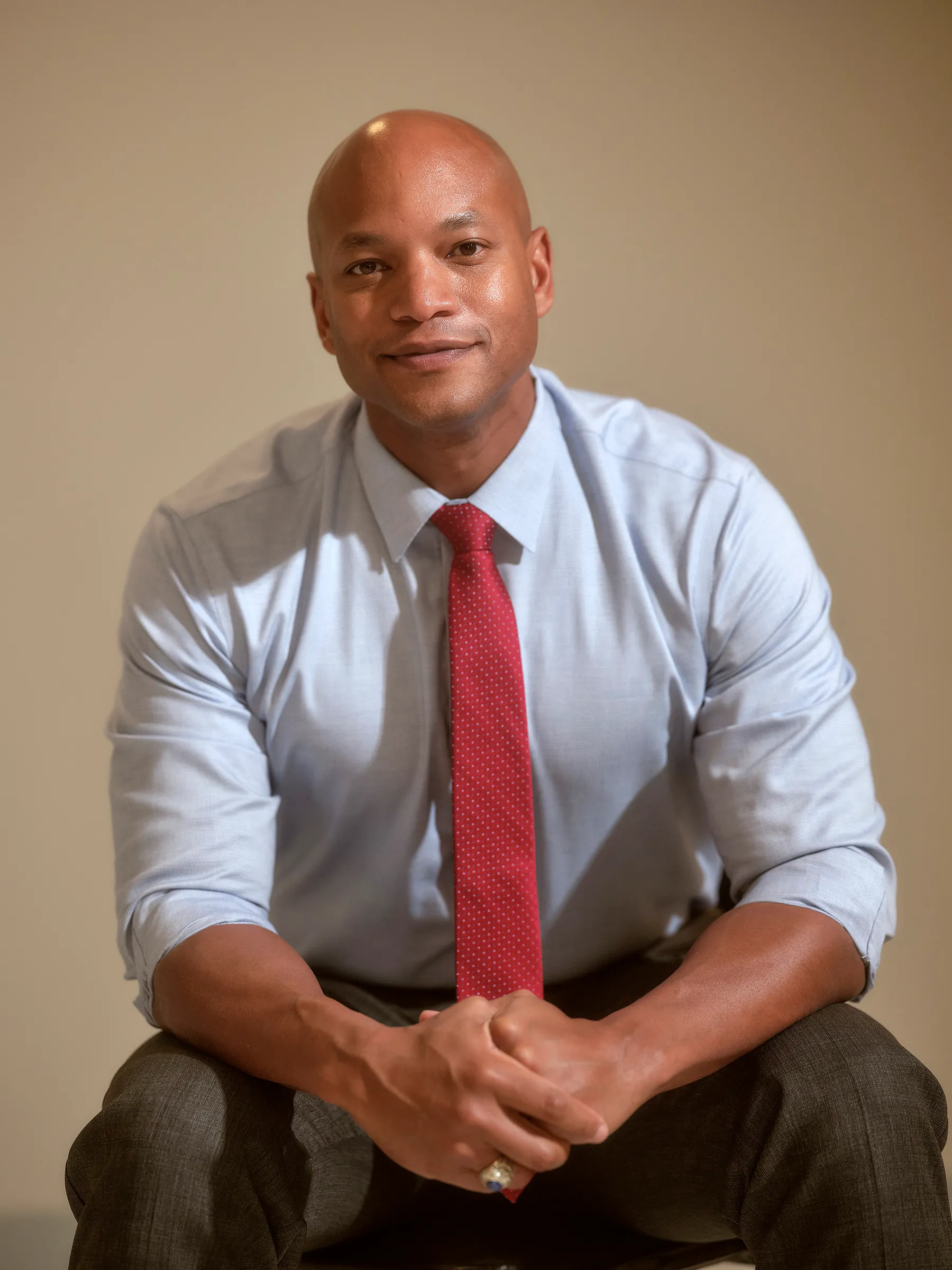
Wes Moore, who was inaugurated as the first Black governor of Maryland in January 2023, represents a significant milestone in the state’s history. His election holds particular importance as it reflects the shifting demographic and political landscape of Maryland, with an emphasis on leadership that prioritizes equity, education, and economic growth.
Background and Political Journey
A former Army officer, best-selling author, and social entrepreneur, Moore’s early life was marked by challenges including a single-parent household. His determination led him to Johns Hopkins University and then to a career aimed at social justice and public service. Before becoming governor, he served as the CEO of the Robin Hood Foundation, focusing on fighting poverty in New York City. In 2022, he won the gubernatorial race, defeating Republican nominee Dan Cox. His campaign focused on various themes including educational reforms, public safety enhancements, and economic recovery post-pandemic.
Key Policies and Initiatives
Since taking office, Governor Moore has launched several initiatives aimed at transforming Maryland into a state that prioritizes inclusivity and progress. One of his first executive orders aimed to increase funding for public schools, addressing disparities faced by underprivileged communities. Moore has also emphasized the importance of creating jobs, proposing tax incentives for businesses that hire from underserved areas, and investing in green energy as part of Maryland’s transition towards sustainability.
In addition to education and economic policies, Moore has actively promoted health initiatives to combat the disproportionate impact of health crises like COVID-19 on communities of color, advocating for greater access to healthcare resources.
Community Engagement and Future Goals
Wes Moore has made it a priority to engage with communities throughout Maryland, holding town halls and forums to gather feedback from constituents. His goal is to foster a government that is responsive to the needs and aspirations of its citizens. As he continues to navigate challenges, he aims to unify a state experiencing political polarization while driving forward on issues like climate action and economic recovery.
Conclusion
Governor Wes Moore’s leadership is still in its early stages, but his impact is already being felt across Maryland. As he tackles issues of equity, education, and economic development, observers are keen to see how his policies will shape the future of the state. His administration symbolizes hope for many and highlights a pivotal moment where leadership with diverse representation is critical for addressing the issues at hand. The significance of his governorship will not only influence Maryland but potentially inspire a broader national dialogue around inclusivity in leadership.