Introduction
As climate change continues to alter weather patterns, bomb cyclones have emerged as significant meteorological phenomena, drawing attention from scientists and the public alike. A bomb cyclone, technically known as explosive cyclogenesis, occurs when a storm’s central pressure drops significantly in a short period, leading to hazardous conditions. Understanding bomb cyclones is increasingly important given their potential for severe weather impacts, including high winds, heavy snowfall, and coastal flooding.
What is a Bomb Cyclone?
A bomb cyclone is defined by a rapid drop in atmospheric pressure of at least 24 millibars within 24 hours. This phenomenon can result in powerful winds extending over large areas, typically accompanied by heavy precipitation. The term gained popularity in the media during significant winter storms, particularly those affecting the East Coast of the United States.
Recent Events
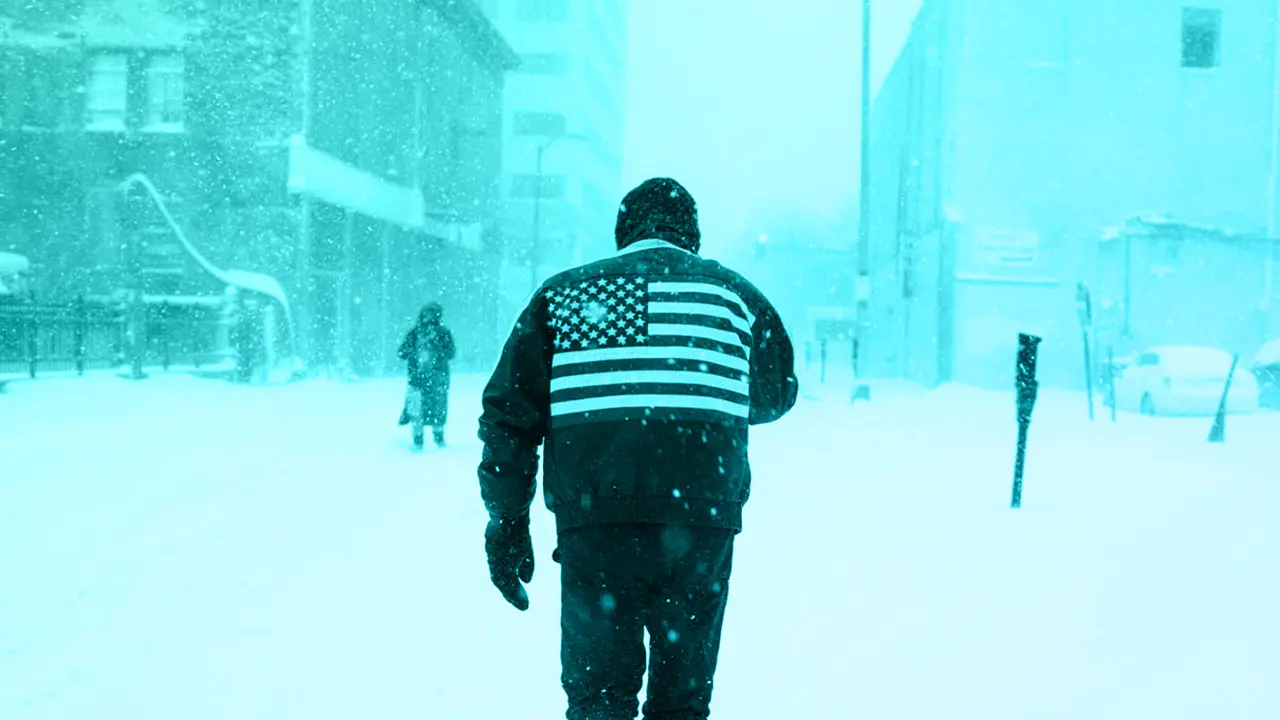
In early December 2022, the U.S. experienced a bomb cyclone that brought blizzard conditions across multiple states from the Midwest to the Northeast. Meteorologists reported that the storm’s pressure plummeted from 1,001 to 974 millibars in just 24 hours, qualifying it as a bomb cyclone. The consequences included widespread power outages, travel disruptions, and even fatalities. This event starkly illustrated the capabilities of bomb cyclones to generate extreme weather, emphasizing the need for preparedness.
Impacts and Safety Precautions
Bomb cyclones can lead to heavy snowfall, freezing rain, and dangerously high winds that can topple trees and power lines. Communities in affected regions must prepare for possible evacuations, transportation halts, and utility outages. Authorities often issue warnings as the cyclone approaches, advising residents to stay indoors during peak storm conditions. Emergency kits with food, water, flashlights, and medical supplies are essential for households to withstand power outages.
Conclusion
The increasing frequency and intensity of bomb cyclones due to climate change are concerning. The winter of 2023 has already seen forecasts predicting several such events for the eastern United States. As public awareness grows, so does the importance of understanding bomb cyclones’ effects and developing comprehensive strategies for education and preparedness. Moving forward, state and local agencies must work together to disseminate information and ensure communities are ready to face these extreme weather events head-on.