The Conservative Political Action Conference (CPAC) has historically been a gathering for conservatives, featuring major political figures and events. Since its inception, CPAC has been held annually, making it the nation’s oldest conservative political convention. However, in 2026, the conference is reportedly experiencing low attendance and a lack of major speakers, raising questions about its relevance.
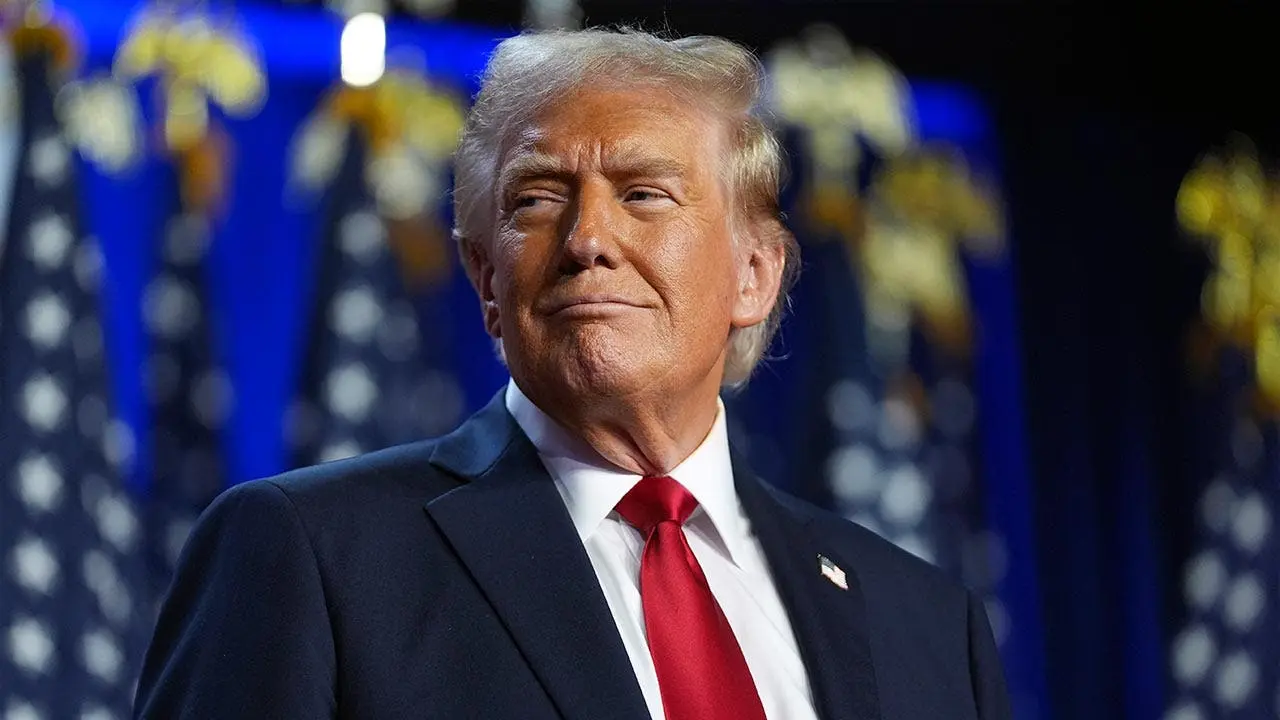
Notably, Donald Trump has not attended CPAC for the first time in a decade, which many see as a significant shift for the event. This absence, coupled with competition from other organizations like Turning Point USA, which attracted 30,000 attendees to its national convention, has contributed to CPAC’s declining numbers. Some attendees have expressed disappointment over the lower turnout, marking a stark contrast to the lively atmosphere that characterized earlier years.
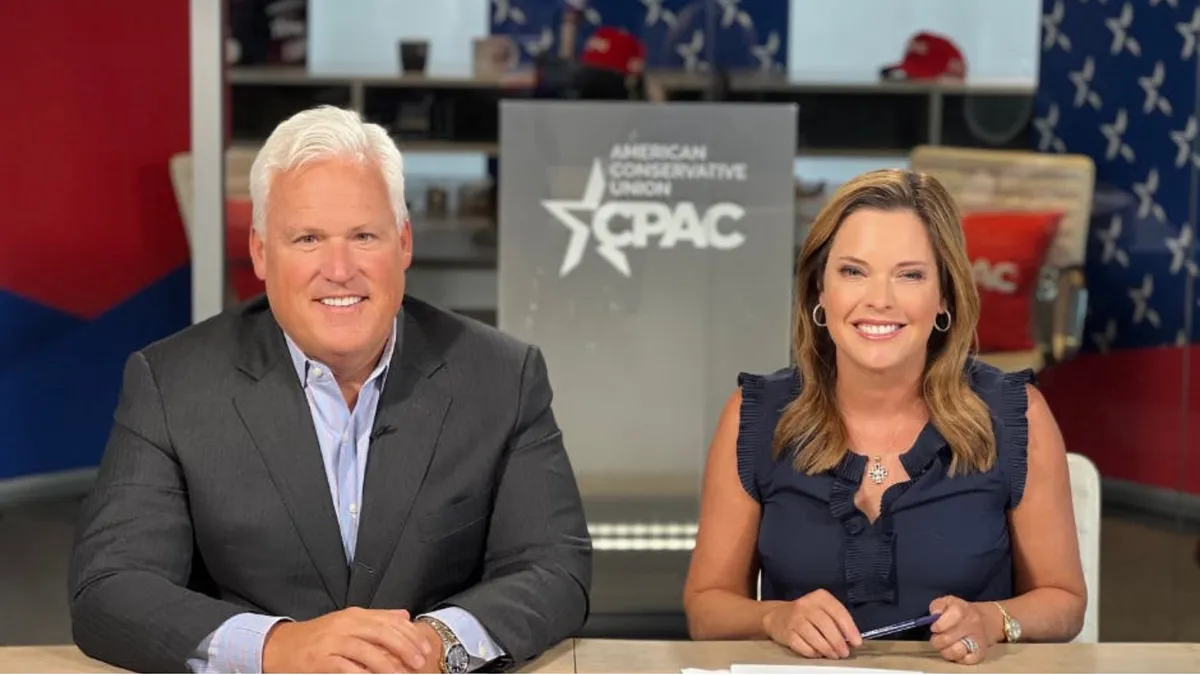
Matt Schlapp, the CPAC chairman, has acknowledged the challenges facing the conference. He earned more than $830,000 in tax year 2023, but the event has faced criticism for straying from its roots as a conservative policy conference. “Nobody can deny that [CPAC] is the center of political gravity,” Schlapp stated, yet many observers are left questioning what that gravity means in the current political landscape.
Raheem Kassam, a prominent figure at the conference, described the atmosphere at CPAC, recalling, “We did an open bar, and within two hours, there were people passed out in the toilets, glass smashed everywhere.” Such comments reflect a shift in the conference’s image, with some suggesting that the ‘C’ in CPAC is now better represented by the word ‘clown’ than as any semblance of a conservative institution, as noted by Erick Erickson.
As the conference unfolds in Grapevine, Texas, the future of CPAC as a significant conservative gathering remains uncertain. The reasons for low attendance and lack of major speakers at CPAC 2026 are not fully understood. Observers are left to wonder how CPAC will adapt to the changing political climate and whether it can reclaim its status as a pivotal event for conservatives.
Enrique Tarrio, a notable speaker at the event, remarked, “It’s a midterm year,” indicating that the political stakes are high, yet the enthusiasm appears to be waning. With the backdrop of recent controversies, including a $500,000 settlement related to Schlapp’s sexual misconduct lawsuit, the conference faces scrutiny from both supporters and critics alike.
As CPAC continues, the implications of its current state will likely resonate throughout the conservative movement. The challenges it faces may redefine its role and significance in the years to come.