Introduction
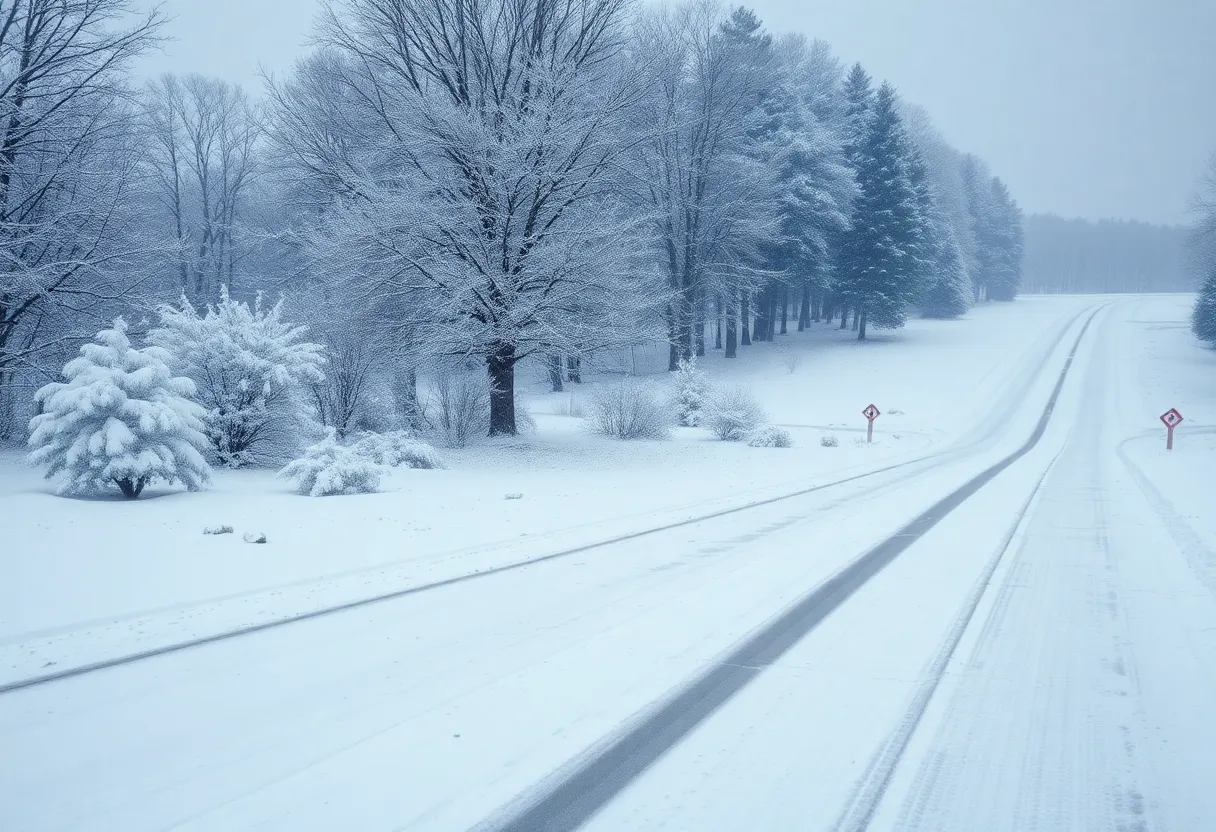
Freezing rain is a significant weather phenomenon characterized by rain that falls when temperatures are below freezing, causing a layer of ice to form on surfaces. This weather condition can have serious implications for travel, infrastructure, and public safety, making it essential for people to understand its causes and effects. As climate patterns shift, the frequency and intensity of freezing rain events are becoming more pronounced, demanding increased awareness and preparedness from communities, especially during winter months.
What Causes Freezing Rain?
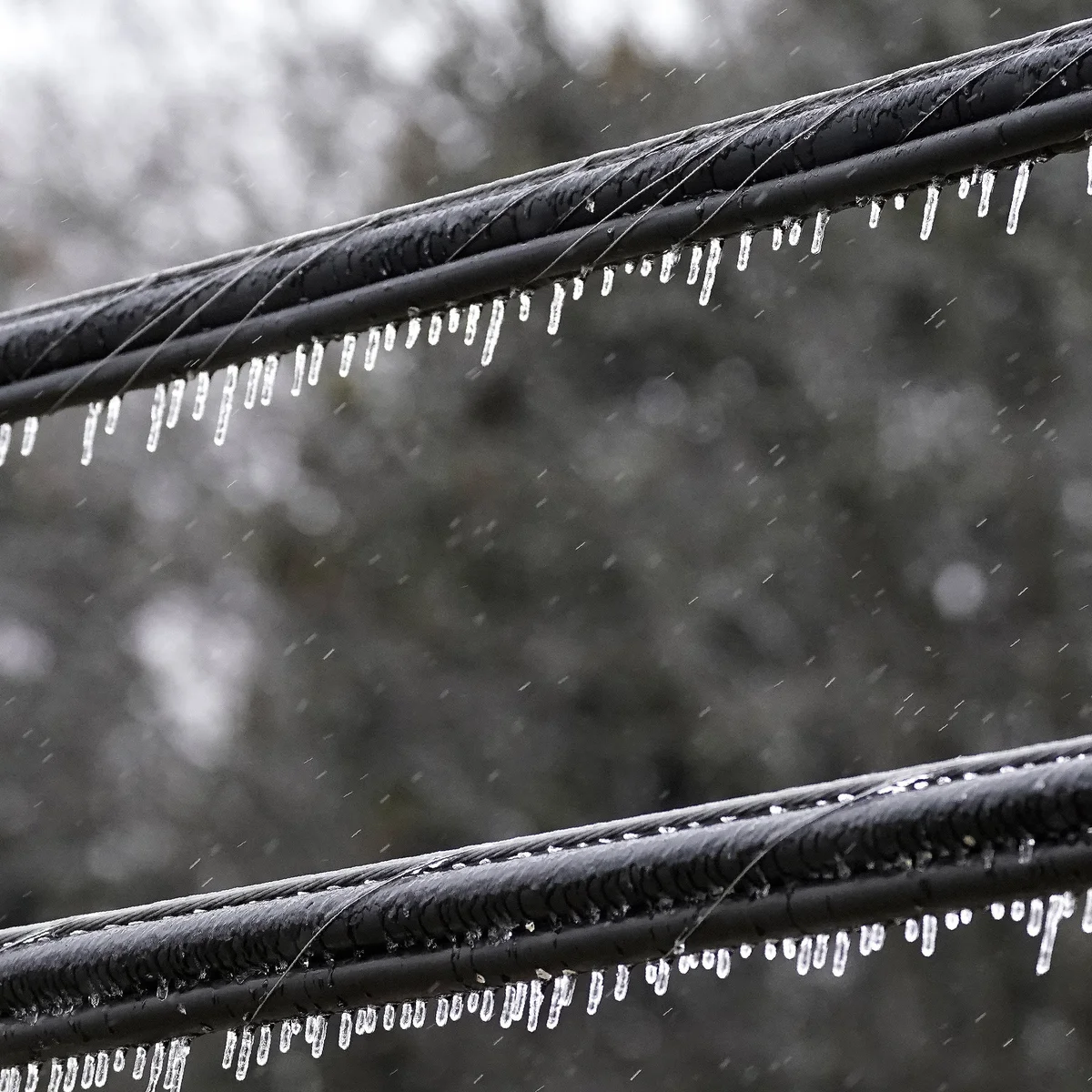
Freezing rain occurs when a warm layer of air overrides a colder layer at the surface. When moisture-laden air rises and meets this colder air, it condenses and eventually falls to the ground as precipitation. If the temperature is at or below the freezing point (32°F or 0°C) when the droplets hit surfaces, they freeze on contact. This process creates a dangerous glaze of ice that can lead to hazardous road conditions and power outages due to downed lines from the weight of ice accumulation.
Impact of Freezing Rain
The effects of freezing rain can be far-reaching. According to the National Weather Service, the accumulation of ice can lead to significant disruptions, including:”
- Hazardous Travel: Icy roads can result in numerous accidents, making driving extremely dangerous.
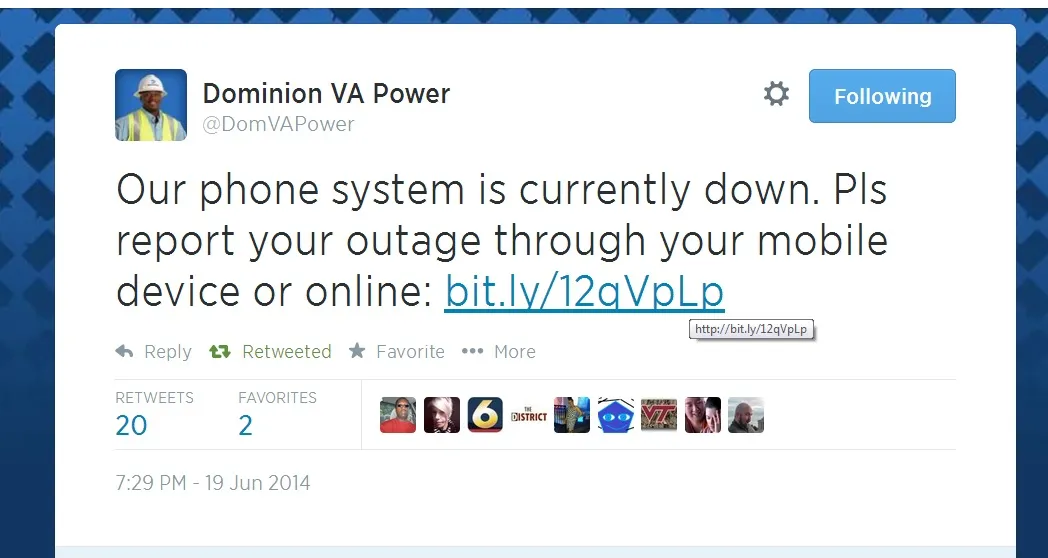
- Power Outages: Accumulation of ice on utility lines and trees can cause widespread power outages, as the extra weight can snap lines and downed trees can block roads.
- Infrastructure Damage: The weight of ice can damage roofing, vehicles, and other property, leading to costly repairs.
Recent Freezing Rain Events
In recent years, several regions in the United States have experienced severe freezing rain events. For example, in February 2022, areas in Texas and Oklahoma faced debilitating ice storms that led to power outages affecting thousands of households and significant disruptions in transportation. Local and state authorities had to mobilize resources to respond to emergencies and provide assistance to those affected.
Safety Tips
Given the dangers associated with freezing rain, it is crucial for individuals and communities to take precautions:
- Stay informed by monitoring weather reports for alerts and warnings regarding freezing rain.
- Limit travel during freezing rain events, if possible, and, if necessary, use vehicles equipped for icy conditions.
- Keep emergency supplies on hand, including food, water, flashlights, and batteries.
Conclusion
Understanding freezing rain is vital for preparing and protecting oneself from its potential dangers. As climate change continues to influence weather patterns, awareness and preparedness will be key in minimizing the impact of these severe weather phenomena. Staying informed and heeding warnings can mean the difference between safety and disaster during freezing rain events.